
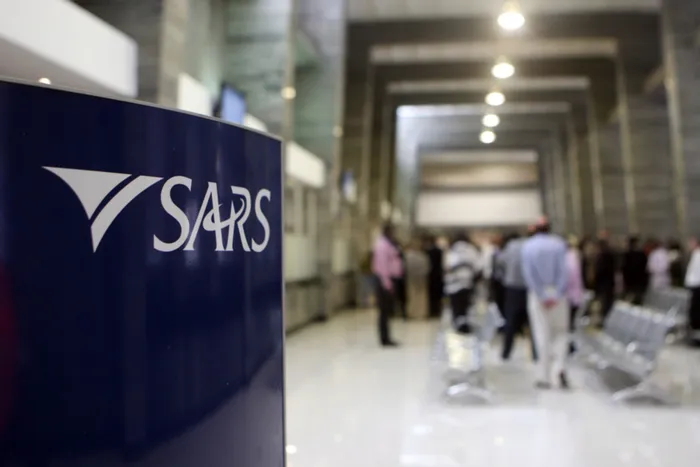
080310 The new offices of SARS at corner Rissik street and Albert street. Picture: Ziphozonke Lushaba 080310 The new offices of SARS at corner Rissik street and Albert street. Picture: Ziphozonke Lushaba
The taxman has had a bumper harvest. Finance Minister Pravin Gordhan announced yesterday that the almost 5 million tax returns submitted by individual taxpayers for the 2011 tax year was up 23 percent on last year’s figure.
And he said, five years after the introduction of electronic filing (e-filing), more than 99 percent of the returns received between July 1 and Friday were filed electronically.
Gordhan noted the switch from paper to e-filing saved the SA Revenue Service (Sars) about R150 million a year, an amount that goes towards ongoing modernisation. He said it had allowed Sars to assess more than 98 percent of this year’s tax returns within 24 hours and “rapidly issue R12.67 billion in tax refunds” – 11.45 percent more than last year. “This year Sars paid 85.44 percent of income tax refunds within 72 hours of the return being submitted, compared with 74.28 percent last year,” he said.
Sars commissioner Oupa Magashula attributed the success of the tax collection season to heavy penalties imposed for non-compliance in 2009. Magashula announced in October of that year that taxpayers with outstanding returns would pay up to R16 000 in penalties – on a monthly recurring basis until the returns were submitted.
Of the 4.86 million returns submitted over the past five months, almost 4 million were for the current filing year, he said, while the rest were for previous years. The 1.09 million outstanding returns belatedly submitted was up 62 percent this year on last year.
However, about 750 000 returns for the 2011 year are still outstanding.
Gordhan thanked taxpayers for their co-operation and promised that the government “and Treasury in particular” would do everything possible to ensure the money was well spent. He said, in the present difficult times, it was vital that taxpayers met their obligations.
The government is running a large deficit – the gap between revenue and spending – because slow growth in the economy has reduced its revenue stream. The deficit is projected at 5.5 percent of gross domestic product for the current fiscal year. When the deficit is above 3 percent, the cost of servicing debt increases to unsustainable levels.
Moody’s Investor Services recently changed the outlook on its A3 investment grade rating for South Africa from stable to negative, citing risks that the deficit would remain above 3 percent. Credit ratings determine the cost of borrowing in global markets – a bill that goes straight to the taxpayer.
Gordhan pointed to the problems of Greece to highlight the consequences of a “culture of non-compliance”. Tax evasion and avoidance in that country forced its government to borrow way beyond its means. Only assistance from its neighbours and the International Monetary Fund will save it from a disorderly debt default.
It is too early to tell how the final tax take will compare with last year. Gordhan said provisional taxpayers had until the end of January and large corporate tax payments were made in December and March. - Ethel Hazelhurst