

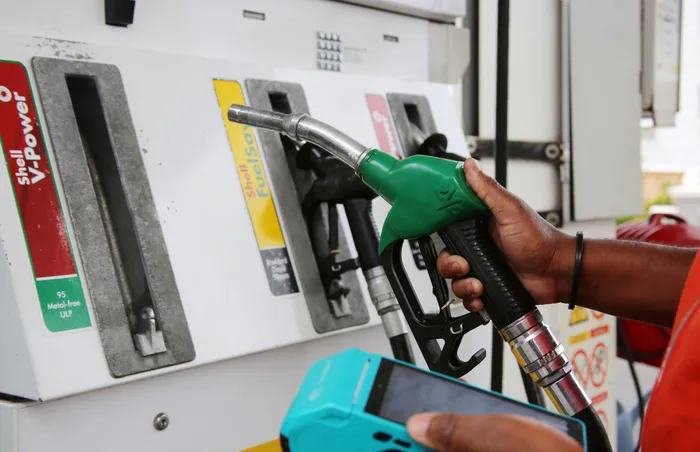
Fuel prices are surging, but what’s really driving costs at the pump? Discover the complex web behind the numbers and what it means for consumers amid escalating global tensions.
Image: Tumi Pakkies / Independent Newspapers
As the reverberations of the US-Iran conflict continue to shake the world, the ripple effects are being felt far beyond the Middle East.
This week, Bianca Botes, Managing Director at Citadel Global, provided profound insights into how these escalating tensions have implications for consumers at the fuel pump in South Africa and beyond.
Fuel prices have surged, but what a simple glance at the price board fails to reveal is the complex web of factors affecting the cost of fuel.
Botes said that the current price isn’t a mere reflection of market conditions but rather the culmination of numerous variable elements involved in the fuel value chain.
Botes said, "The starting point for understanding fuel pricing is the Brent crude benchmark, a globally recognised price for North Sea oil, a commodity traded in barrels. However, the significant difference between the benchmark price and what prices physical cargoes of oil actually trade at becomes stark during periods of instability when supply routes face potential disruptions."
She said tha during such times, the physical market often deviates significantly from the Brent benchmark, as traders scramble to obtain oil that is readily available.
The disconnection can become pronounced when crises arise, such as the recent geopolitical flare-ups. As a result, South Africa, which produces little domestic crude oil and is increasingly reliant on imports, faces an uphill battle with both supply and prices.
Approximately 80% of South Africa's fuel imports come through Durban, mainly from Gulf producers.
"This supply line has come under increasing pressure due to the escalating conflicts. Decreased shipments from the region have forced South Africa to look elsewhere, notably turning to the US to fill its fuel gap. However, this transition is not seamless. The distance and associated freight costs result in a compounded effect on fuel pricing that the regulated petrol price formula struggles to accommodate," Botes said on Friday.
While the petrol price is strictly regulated by the government, the pricing dynamics for diesel are markedly different.
Botes explained that large commercial users negotiate directly with suppliers, making diesel prices more susceptible to real-time market variations.
"Rising cargo and freight costs will be felt by diesel users long before the changes translate to petrol prices at the pumps, amplifying economic pressures across logistics, distribution, and other sectors reliant on diesel fuel." Botes added.
The cascading effects of such supply disruptions extend beyond fuel costs, venturing into inflationary pressures and potential adjustments in monetary policies.
"As the unrest potentially stabilises, the focus remains on how quickly the global oil trade will recalibrate to its pre-crisis state, a situation that could take months to normalise if it ever does. With interest rates in the US remaining static in an environment punctuated by high inflation expectations, the global economic outlook remains precarious," Botes said.
This week, the South African Reserve Bank's Governor Lesetja Kganyago cautioned that inflation could indeed drift higher in the coming months, a dynamic influenced significantly by fluctuating fuel costs and international market volatility.
As market analysts observe the continued tightening of supply and rising oil prices, the path ahead appears tumultuous.
"Even as negotiations persist, the shadow of conflict looms heavily over fuel consumers and businesses alike. With the ripples of the latest market dynamics evident in consumer prices, the lesson here is clear: understanding the intricacies behind fuel pricing not only enlightens consumers but also prepares them for the challenges that lie ahead in an ever-shifting economic landscape," Botes said.
On Friday, the Rand traded at R16.62 against the US dollar, R19.43 against the Euro and R22.39 against the British Pound.
Brent crude was priced at $106.85 per barrel.
Follow Business Report on Facebook, X and on LinkedIn for the latest Business and tech news.