

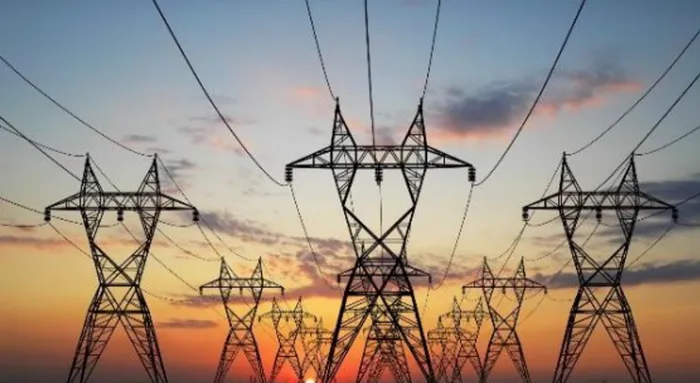
South Africa’s electricity reform has reached a stage where institutional design matters more than legislative intent, says the author.
Image: File
South Africa’s electricity reform has reached a stage where institutional design matters more than legislative intent. The amended Electricity Regulation Act sets out a competitive, multi-market structure anchored by an independent transmission system operator and a wholesale electricity market.
The question is no longer what the framework should look like. The question is whether it is being implemented with precision and speed. The National Business Initiative’s South African Wholesale Electricity Market (SAWEM) report places the wholesale platform at the centre of this reform phase. It argues that a functioning market is the mechanism through which price discovery, capital mobilisation and more efficient dispatch will occur.
Krutham’s Policy to Power report complements this view by identifying the institutional steps required to translate statute into operation, along with the bottlenecks slowing progress. Under the current model, Eskom remains the dominant buyer and dispatcher of electricity. Risk is concentrated, price signals are muted and entry for new generation depends on administrative allocation rather than market clearing.
A competitive wholesale market changes those incentives. Generators compete on cost. Dispatch reflects marginal economics rather than legacy asset position. Buyers gain access to multiple suppliers. The system operator coordinates flows across the grid based on transparent rules. For municipalities, this transition reshapes a long-standing revenue model. Many local governments purchase bulk electricity from Eskom at regulated tariffs and resell it at a markup. Electricity surpluses fund other municipal services.
A wholesale market expands procurement options and may reduce input costs where competitive generation is available. It also introduces price volatility and requires new competencies in forecasting, hedging and contract management. Municipal finance systems built around predictable bulk tariffs will need adjustment. Customer behaviour adds further pressure. Large users are already installing embedded generation or negotiating alternative supply arrangements. A wholesale platform accelerates this shift. Municipalities dependent on electricity margins will need fiscal reforms, tariff redesign and improved collection discipline to remain solvent. Distribution reform, therefore, becomes part of electricity reform.
Krutham’s report outlines ten concrete actions that define the execution pathway. A Cabinet-endorsed reform roadmap is the starting point. Clear milestones, defined responsibilities and direct political oversight reduce the risk of institutional drift.
Finalisation of the Electricity Pricing Policy is essential. Cost-reflective and unbundled tariffs support fair competition and provide the basis for bankable bilateral contracts. Regulatory capacity requires strengthening. A multi-market system increases the volume and complexity of licensing, tariff approvals and compliance oversight. Delays translate into financing risk. Eskom’s future structure must be clarified. The financial and operational separation of generation, transmission and system operation needs defined timelines and a credible capital plan. Ambiguity in asset ownership or balance sheet allocation affects investor confidence.Transmission expansion is central. New generation capacity cannot connect without grid reinforcement. Accelerating the transmission development plan determines whether reform unlocks real supply additions.Distribution reform addresses municipal debt, technical losses and maintenance backlogs.
Around 40% of the grid sits within municipal control. Financial instability at this layer constrains wheeling and undermines service reliability. Trading rules should be completed and the market platform must become operational. Settlement systems, balancing mechanisms and dispute resolution procedures provide the infrastructure of trust within a competitive market. Wheeling frameworks and digital data systems require harmonisation. Manual processes and inconsistent access protocols deter participation and increase transaction costs.
The launch of SAWEM as a functioning platform marks the transition from policy to market. Transparent price formation and risk allocation underpin affordability and security of supply. Regional electricity trade can deepen liquidity and improve resilience through cross-border exchanges. Krutham identifies five obstacles slowing this programme.
The absence of a binding, time-bound roadmap leaves coordination dispersed across institutions. Functional separation within Eskom proceeds unevenly, particularly in grid access and market operations. Regulatory uncertainty and limited capacity slow approvals. Municipal financial distress restricts distribution reform and wheeling expansion. Transmission rollout remains slower than required for the volume of projects seeking connection.These constraints explain why reform feels incremental despite legislative change.
The wholesale electricity market serves as the organising centre of the next reform phase. It aligns generation competition, grid access, tariff reform and distribution restructuring within a single operational framework. Municipalities move from passive resellers to active market participants. Investors evaluate projects based on transparent market rules rather than administrative allocation. Progress depends on disciplined execution. Transmission build schedules must align with project pipelines. Regulatory decisions require predictable timelines.
Municipal fiscal reform must accompany expanded market access. Institutional independence of the system operator needs to be visible in governance structures and daily operations.The architecture is defined. Implementation now determines whether South Africa secures a more competitive, reliable and financially sustainable electricity system.
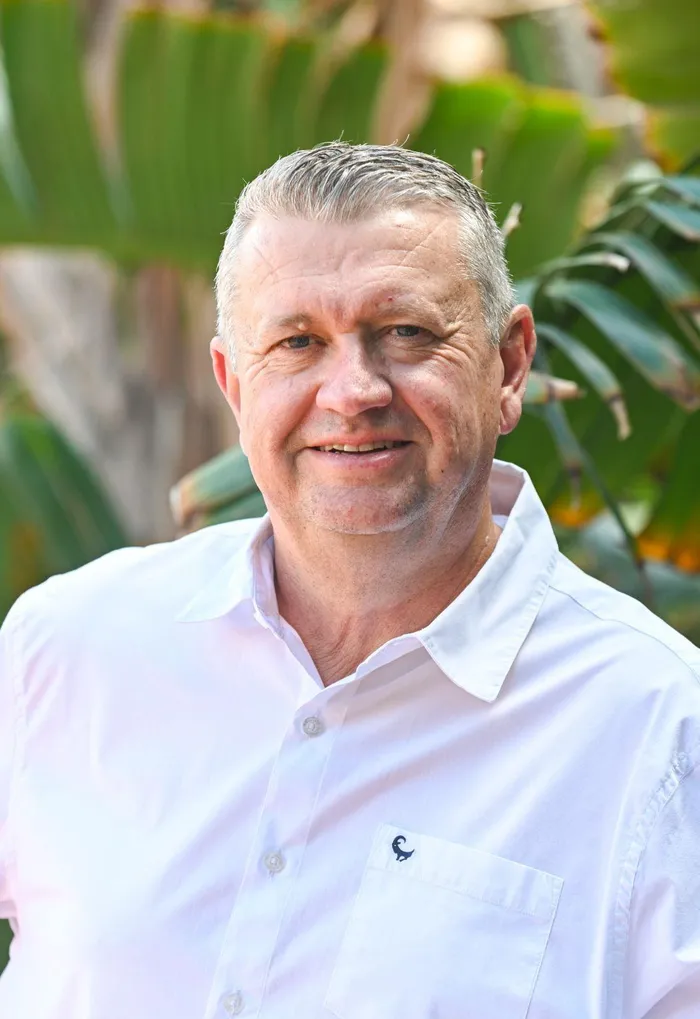
Thomas Garner holds a Mechanical Engineering degree from the University of Pretoria and an MBA from the University of Stellenbosch Business School.
Image: Supplied
Thomas Garner holds a Mechanical Engineering degree from the University of Pretoria and an MBA from the University of Stellenbosch Business School. Thomas is self-employed focusing on energy, energy related critical minerals, water and communities. He is a Fellow of the South African Academy of Engineering and a Management Committee member of the South African Independent Power Producers Association.
*** The views expressed here do not necessarily represent those of Independent Media or IOL.
BUSINESS REPORT