

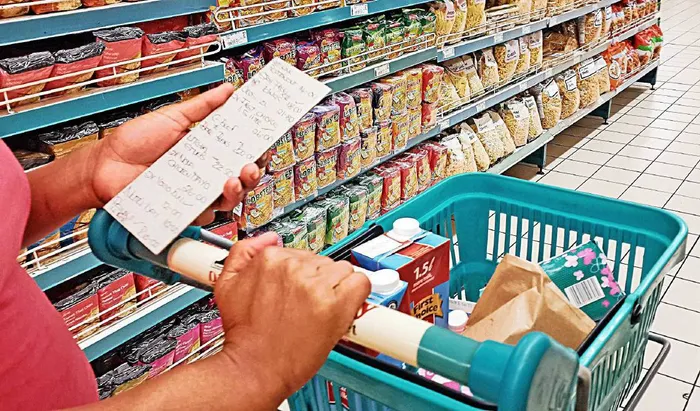
Food inflation continues to be an issue for consumers.
Image: David Ritchie | Independent Media
South Africa’s inflation rate edged lower in November, but not because groceries became cheaper.
Annual consumer price inflation slowed to 3.5% in November from 3.6% in October, while prices overall dipped slightly month on month, according to Statistics South Africa.
The easing was driven mainly by cheaper transport costs and falling prices for many everyday consumer goods.
Transport inflation slowed sharply, dropping to well under one percent in November from about one and a half percent in October. This was largely due to cheaper vehicles and lower fuel prices.
Vehicle prices were the standout. Inflation on vehicles was at its lowest level in more than a decade.
Used cars, in particular, have been getting cheaper for several months, with second-hand vehicles costing close to two percent less than a year ago.
New vehicles, however, were still more expensive than last year.
Beyond cars, Els said a range of consumer goods continued to see falling prices. Clothing and footwear inflation remained low, while furniture and household appliances continued to see significant declines.
Furniture prices were almost four percentage points lower than a year ago, while appliances fell by a similar amount.
Some items dropped even more sharply.
Dining room furniture was nearly six percentage points cheaper than a year ago, lounge furniture fell by more than four percentage points, and prices for washing machines and microwaves were down by about 10 percentage points.
Fuel prices also helped push inflation down. Pump prices fell by just over two percent between October and November, leaving fuel prices only marginally higher than a year ago.
“A stronger rand and lower oil prices should lead to a significant petrol price cut in January 2026 and reduce petrol inflation,” said Els.
Food inflation, meanwhile, moved in the opposite direction. Prices for food and non-alcoholic drinks rose faster in November, increasing at a rate of just over four percent year on year.
Meat remained the biggest pressure point. Els said high meat inflation was still linked to the impact of foot-and-mouth disease, although there were signs that monthly increases were easing.
Beef prices rose by less than half a percentage point between October and November, suggesting that the pace of increases may be slowing.
Egg prices told a different story. Annual egg inflation turned sharply negative, with prices more than nine percentage points lower than a year ago.
This followed sharp increases in the second half of 2024, when avian flu-related shortages pushed egg prices up by more than twenty percent.
Looking ahead, Els said the consumer environment was “still challenging for meat prices, but overall manageable thanks to low consumer goods prices, lower petrol, modest job growth, and a potential rate cut”.
Els said he expects two quarter-point reductions in the first half of 2026. This is as he anticipates inflation moving into a mild downcycle in 2027, averaging closer to 3%, compared with an expected average of about 3.7% in 2026.
IOL BUSINESS