

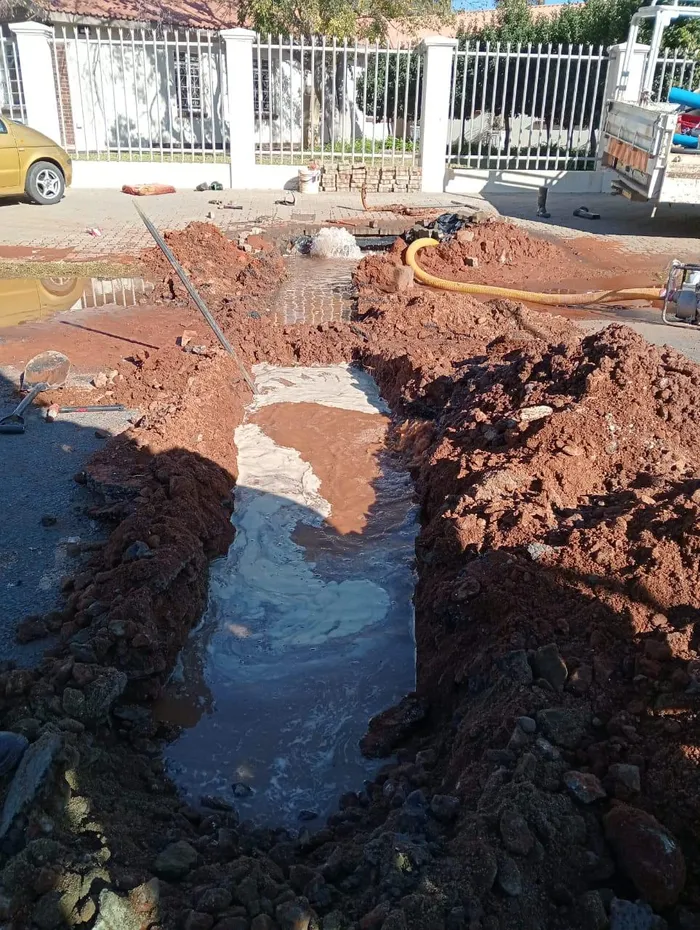
Water infrastructure should be prioritised as it is key for South Africa's holiday towns in the upcoming festive season.
Image: Supplied
South Africa’s holiday towns may contend with water supply challenges over the festive season, says a water services provider.
While the country holiday will welcome the economic boost that comes with the December influx of visitors, the Water Institute of Southern Africa (WISA) says the season also brings increased water demand, reduced operational staffing, spikes in vandalism and theft, as well as added pressure on water and wastewater infrastructure.
To counter this, skilled oversight, municipal planning, community vigilance, and clear reporting to avoid service failures are required, urges WISA CEO Dr Lester Goldman.
Strained infrastructure and skeleton staff
He notes that the increased demand results in overloaded pump stations, faster filling of sewer sumps, and increased risk of overflows and contamination. “These problems are amplified where systems are old, poorly maintained or under-capacitated,” Goldman says.
Adding to the challenge during the festive season is the issue of reduced frontline staffing, fewer available technicians and process controllers to address pump or telemetry failures.
This, along with slower emergency responses and weakened routine monitoring, place water supply at serious risk. Municipal plans must therefore include temporary staffing, additional contractors, and dedicated festive-season budgets for maintenance and emergency water provision, including tankers, Goldman says.
Skilled oversight is therefore critical during this peak period, as experienced process controllers and managers prevent minor faults from escalating into outages.
“This keeps pumps primed, diesel supplies topped up, screens cleared, and rapid decisions made when alarms are triggered. Proactive, not reactive planning is what’s needed,” Goldman adds.
Planning ahead
“To reduce outage risk and shorten repair times during the holiday season, a long-term approach is needed, one that includes regular maintenance, adequate spare-parts stockpiles, backup pumps, and telemetry systems that allow staff to monitor equipment remotely. Dedicated contingency budgets are also essential,” Goldman points out.
He highlights Cape Town and Durban, where authorities plan ahead for higher holiday-season demand and beach-area sewer risks. According to the CEO, Cape Town has intensified maintenance at its sewer-pump stations with targeted upgrades and daily inspections to prevent coastal overflows.
Durban’s eThekwini Municipality has likewise activated a R10 million festive-season readiness plan, including stepped-up line flushing, 24-hour monitoring and rapid-response crews to protect beach-water quality, he adds.
Dealing with vandalism and theft
Other factors that compound the situation are theft of meters, copper cables, valves and electrical wiring, deliberate damage to pump station fencing and control panels, as well as tampering with hydrants or valves. This can render entire networks offline for days and increase repair costs dramatically.
Goldman notes that security protocols must therefore be adapted to mitigate these risks, while vigilant reporting can also help restore supply.
Role of communities
“Communities play a critical role in reporting vandalism and theft. To do this effectively, members of the public should contact the municipality’s water emergency line, use official online reporting portals where available, and provide the location, time, and a description of the incident when reporting to municipal emergency services or local police,” he adds.
If no action is taken, Goldman urges community members to follow up with their ward councillors or community forums to ensure that incidents are logged and escalated.
Residents can also help protect water infrastructure over the holidays by securing gates, improving lighting, joining community watches, and reducing non-essential water use during peak times.
“Taking all of this into account, it is clear that festive spikes can be managed and that steps can be taken to mitigate outages, reduce repair costs and protect public health,” Goldman says.
In July, the World Resources Institute published an article titled, "Managing Extremes: How South African Cities Are Tackling Water Crises".
In it, the global research organisation said South Africa must manage the growing demand on its limited water resources with extreme care: With high evaporation rates that sometimes exceed average annual rainfall, less than 9% of the country’s rainfall runs into rivers, and less than 5% recharges groundwater aquifers.
In its cities, rapid urbanisation and industrial demand place additional pressure on already fragile water systems.
It added that South Africa is not alone, as cities around the world are grappling with water crises. “But some are adapting. Cape Town is restoring its watersheds to help the city withstand major droughts, while eThekwini (the municipality that includes the city of Durban) is investing in improved drainage, nature-based infrastructure and complementary systems, such as early warning flood alerts, to strengthen local responses to extreme rainfall.
"These efforts show how cities can rethink water management to become more resilient in a changing climate.”
Independent Media Property