

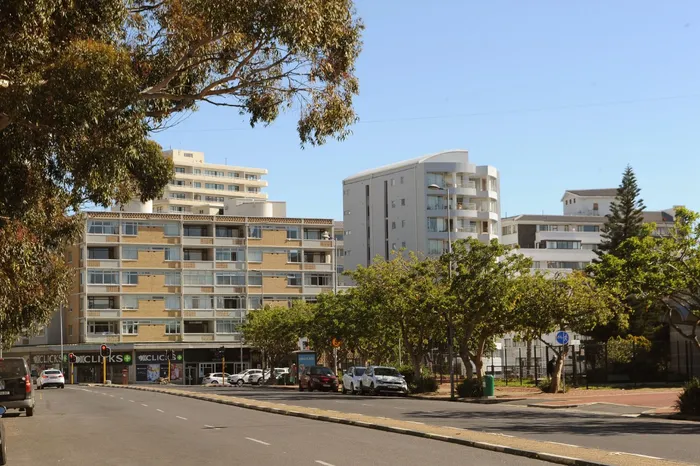
A key factor limiting rental growth appears to be the slower growth in tenant incomes.
Image: Tracey Adams
Rental growth is starting to cool in South Africa, and tenants are feeling the strain as affordability weakens.
This is according to the latest PayProp Rental Index.
“Growth is clearly cooling after a strong run, but on the surface, the rental market still began the year in good health,” says Michelle Dickens from PayProp.
“Many tenants are also continuing to manage their rental commitments well, but ongoing pressure on household budgets means landlords and agents may need to take a more measured approach to rent increases.
Slower growth was evident throughout the fourth quarter, rising by 4.5% in October, 4.8% in November and 4.3% in December, the weakest monthly rental growth since March 2024.
And while the December figure was still higher than consumer price inflation, which averaged around 3.5%, the margin between rental growth and inflation had narrowed compared to the previous two quarters.
A key factor limiting rental growth appears to be the slower growth in tenant incomes. According to the PayInc (formerly Bankserv Africa) Take-home Pay Index, real net pay grew by only around 1% year-on-year, thereby limiting tenants’ ability to absorb further rental increases.
“When income growth is modest, and everyday expenses are rising, there’s naturally less room for rents to increase as quickly as they did earlier,” says Dickens.
The South African Reserve Bank’s commitment to a lower 3% target may help to keep inflation in check, but the big open question is affordability.
However, with investor confidence still strong and real-terms rental growth holding for now, rental agents are said to have opportunities to continue growing their businesses if they adapt early.
Having made up lost ground last year with above-inflation rental increases, agencies are advised to focus on sustainable growth and good tenant placement practices this year, caution the PayProp in its Q4 market roundup.
2025 was the strongest year for residential rental growth in the 2020s, with rents rising in real terms throughout the year and tenant arrears remaining close to record lows.
However, year-on-year rental growth eased to 4.5% in the fourth quarter of 2025, down from 4.9% in Q3, as higher living costs, rising municipal charges and modest salary growth continued to put pressure on household budgets.
Nationally, the average rent reached R9 462, an increase of R411 compared to the same period last year. Meanwhile, tenant arrears stayed close to historic lows, and the amount owed by tenants in arrears was the lowest on record.
Despite affordability pressures, tenant payment behaviour remained remarkably resilient.
In Q4, 17% of tenants were in arrears, down slightly from 17.2% in Q3 and just above the record low of 16.9% recorded earlier last year.
Tenants who were behind on rent also owed less than before. The average arrears percentage fell to 71.3% of monthly rent, the lowest level ever recorded in the PayProp Rental Index.
“Low arrears levels show that the rental market remains surprisingly stable,” says Dickens. “Agents’ continued focus on careful tenant vetting and proactive management is helping landlords maintain reliable rental income even as economic conditions remain challenging.”
In December last year, the Landlords Association of South Africa wrote on its blog that, on the surface level, rental demand remains strong.
It said properties still let quickly in most urban areas. On paper, it said this suggests stability. In practice, however, it said tenants’ financial position is far weaker than in previous years.
“Debt has become a defining feature of modern tenant life. Credit cards, store cards, vehicle finance and personal loans now absorb a large portion of monthly income before rent is even considered. This means rent is often paid last, not first.
“Living costs also continue to rise. Food, transport, electricity, security, and medical expenses all compete with rent for limited household income. Even tenants who appear stable on paper are being squeezed from every direction,” LASA said in December.
Rental performance varied widely across the country during the quarter.
The Western Cape remains by far the most expensive rental market in South Africa, with average rent rising to R11 894 and annual growth reaching 6.8%.
The province also maintained the lowest arrears position nationally, with only 13.4% of tenants behind on rent. The province could be a good bet for investors and their agents in 2026, as long as they can contend with limited supply and high prices.
At the other end of the spectrum, Mpumalanga recorded the weakest growth at just 1.5% year-on-year. However, this marked a recovery from the negative growth seen in the province in the previous quarter.
North West emerged as the country’s fastest-growing rental market in Q4, with rents increasing by 11.2% year-on-year, signalling an emerging opportunity for fast-moving agencies.
The Northern Cape also recorded a strong performance, posting 7.6% growth. But in Limpopo, which was one of SA’s top performers in the four previous quarters, rental growth fell to 5.1% from 10.9% in Q3.
Meanwhile, South Africa’s largest rental markets continued to show more modest increases. Gauteng recorded rental growth of 3.2%, while KwaZulu-Natal grew by 3.4%. These two provinces, plus Limpopo, continue to elbow for third place on SA’s rental pricing leaderboard.
After a strong year for South Africa’s rental market, the slowdown in rental growth towards the end of 2025 suggests the sector may be stabilising.
That being said, rental growth is said to be falling more closely into line with inflation, and while low arrears show that agents are successfully maintaining the health of their clients’ investments, affordability pressures are increasing. Agents will need to stay hyper-vigilant about placing reliable tenants, both at the signing of the lease and when tenancies are renewed, while watching out for signs of distress with solid collection practices.
“The fundamentals of the rental market remain strong,” says Dickens.
“But with underlying pressure on tenants, agents who can rely on accurate market data and careful tenant selection tools and processes will be best placed to maintain sustainable rental growth this year.
Independent Media Property