Prince Harry's US visa application: Did he conceal drug use?
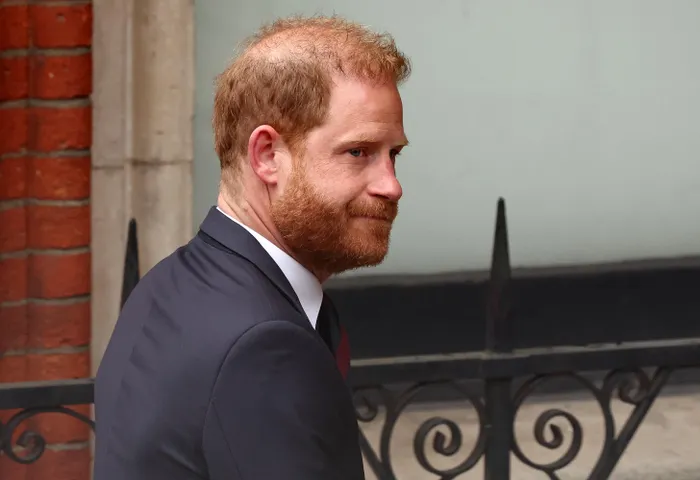
New legal developments have thrust Prince Harry's US residency into the spotlight.
Image: File Pictire
A new legal development has brought Prince Harry’s US residency under renewed attention.
According to court filings, more than 1,000 records tied to his visa have been uncovered by the US Department of State.
These documents are now in the hands of a Washington federal judge, who must determine whether any of them should be publicly accessible.
The case has been rekindled by the Heritage Foundation, a conservative think tank, which is pushing for transparency after the Duke of Sussex admitted in his memoir “Spare” to experimenting with cocaine, marijuana, and psychedelic mushrooms in his youth.
The revelations have reignited debate over whether Harry disclosed this information truthfully, or received preferential treatment in his visa application.
Unravelling the documents
The Department of State reportedly holds 1,007 documents related to Prince Harry's visa application. These records are spread across several branches:
From the Office of the Secretary of State, the Bureau of Consular Affairs, the Office of the Legal Adviser, and the Office of the Deputy Secretary of State.
A federal judge in Washington is now reviewing these materials to decide what may be released publicly.
Heritage Foundation vs The State
This renewed legal action stems from claims by the Heritage Foundation that Prince Harry may have downplayed or omitted his history of drug use when applying for a US visa.
Samuel Dewey, the foundation’s attorney, stated that the volume of documentation suggests “they are monitoring him pretty closely” and speculated that some material may remain withheld, with ultimate release decisions potentially falling to politicians.
Court battles and confidentiality
The dispute continues a legal saga initially sparked in early 2024 when the Heritage Foundation filed a Freedom of Information Act request with the Department of Homeland Security seeking Prince Harry’s visa application records
The request was largely denied, prompting the legal challenge. In March 2025, a judge ordered heavily redacted documents to be released, but these did not include the actual visa application or confirm whether Harry disclosed his past drug use.
Critics of the foundation, including legal commentators, emphasise that visa applicants with prior drug use admissions can still legally enter the US, depending on mitigating factors or waiver eligibility.
Asher noted that the documents released by Homeland Security suggest Harry “did not receive favourable treatment”, and that the visa process complied with standard regulations.
Political pressure and potential outcomes
Adding to the complexity, President Trump -who has at times suggested he could take action if Harry was found to have lied - publicly stated he would not deport the Duke of Sussex, commenting it was “his own business” and that Harry “has enough problems with his wife”.
Meanwhile, the broader debate centres on whether celebrity status can influence immigration outcomes, or if transparency and equal legal treatment of all applicants should prevail.
The Heritage Foundation argues the public has a right to know if Harry received any exemptions; his supporters stress privacy rights and note he has cooperated with legal processes thus far.
IOL Entertainment