
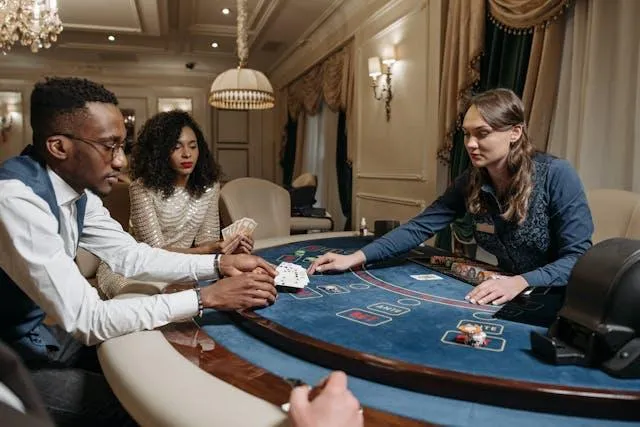
An illustration image highlighting a serious gambling crisis in South Africa, which has grown from occasional, casual betting into a desperate struggle for survival.
Image: Pavel Danilyu/pexels
It’s no longer just a flutter on a weekend match. It’s rent money. It’s grocery money. It’s school fees.
South Africa is in the grip of a gambling addiction crisis, and the numbers are staggering. According to the South African Gambling Board, citizens wagered over R1.5 trillion in a single year, much of it through online and mobile betting platforms that operate 24/7.
At the same time, the National Responsible Gambling Programme (NRGP) reports that calls for help have more than doubled.
This is not harmless entertainment. This is a national emergency unfolding quietly in our homes.
"Independent Media Lifestyle" interviewed Mandy Stokes, a SACAP subject matter expert and social worker. Stokes has extensive experience on the frontlines of addiction counselling in South Africa and was interviewed for this feature.
“When I see 12-year-olds in my practice because of online mobile betting, we know that we are in trouble and need to do something about it urgently,” Stokes says.
Twelve-year-olds, let that sink in.
The “hope” that turns into harm
Gambling in South Africa has been normalised to the point where it feels woven into daily life. Influencers glamorise “big wins”. Apps promise “risk-free bonuses”. Notifications land just as social grants are paid out.

According to the South African Gambling Board, citizens wagered over R1.5 trillion in a single year much of it through online and mobile betting platforms that operate 24/7
Image: Vanessa Valkhof/pexels
But beneath the marketing is desperation.
An analysis by Perpetua shows that 56% of surveyed South African bettors say they gamble because they “need money” to cover basic needs. In a country battling unemployment and rising living costs, gambling is increasingly sold as a shortcut to survival.
This is what experts are calling the “hope gambling” mindset, the belief that one big win could change everything.
“Both substance abuse issues and behavioural addictions are so widespread, and the ripples they create in families and communities can be intense,” Stokes explains.
“What helps people whose lives are impacted by addiction is to gain an understanding of how addiction develops and the brain reward pathways that drive compulsive behaviour.”
Addiction is not weakness. It is brain science.
Online betting platforms are designed to trigger dopamine, the same reward chemical involved in substance addiction. “Near-miss” features keep the brain hooked. Fast-paced games mimic slot machines. The cycle becomes predictable and painful: win, lose, chase, lose.
The emotional and financial fallout
In South Africa’s fragile economic climate, the consequences are devastating.
People lose their salaries and social grants. Jewellery is pawned. Loans are taken from mashonisas at crippling interest rates. School fees go unpaid. Food budgets shrink.
Families begin to unravel.
Stokes outlines the warning signs families cannot afford to ignore:
The mental health toll is equally severe. Anxiety, depression and suicidal thoughts are increasingly linked to gambling addiction. The South African Depression and Anxiety Group (SADAG) has reported a rise in gambling-related distress calls.
And yet, many still see gambling addiction as a moral failure instead of what global health bodies like the WHO recognise it to be: a diagnosable behavioural addiction that responds to treatment.
Why this should concern all of us
The accessibility is unprecedented. Gambling is no longer confined to casinos.
It's in our pockets, in taxis, in classrooms, and in workplaces. It's even in our bedrooms late at night, when stress is overwhelming.

Gambling in South Africa has been normalised to the point where it feels woven into daily life. Influencers glamorise “big wins.
Image: Jonathan Petersson/pexels
Stokes emphasises that education is key.
“These psychological skills have become essential life skills in a society so deeply affected by addiction,” she says. “At SACAP, we believe that a more psychologically skilled society is better equipped to face its challenges and move towards a healthier future.”
But skills must be matched with action.
Government regulators must enforce stricter advertising controls, especially targeting youth platforms and social grant payout cycles. The gambling industry must make responsible gambling tools, such as self-exclusion, time limits, and visible helplines, impossible to ignore.
Communities must talk openly about money and mental health without shame.
If you’re struggling, you are not alone
Help exists, and it is confidential.
This is not just about betting apps. It’s about children growing up in households strained by debt. It’s about parents carrying silent shame. It’s about a country already under economic pressure being pushed further by a billion-rand industry built on risk.
South Africa is not just placing bets. It is betting with its well-being.
And the time to confront this honestly, urgently and together is now.