

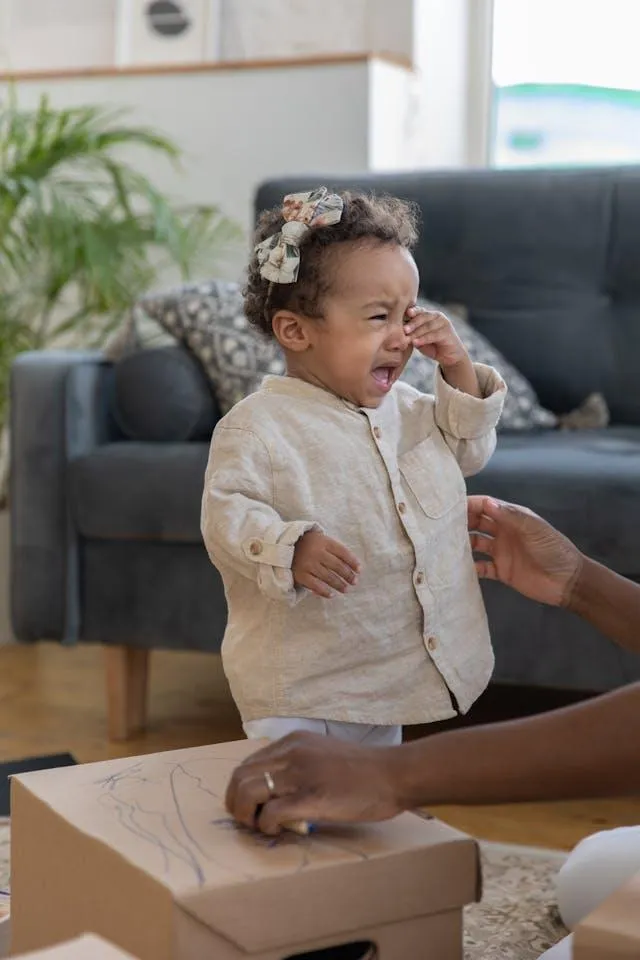
The viral 'Jessica' trend reportedly helps in calming toddler tantrums.
Image: Pexels
If you’ve been scrolling through TikTok lately, chances are you’ve seen it: a toddler mid-meltdown, cheeks flushed, tears rolling, the full emotional storm underway until a parent calmly calls out, “Jessica? Jessica, where are you?”
And just like that, the child pauses. Looks around. Silence.
Dubbed the “Jessica" trend, the viral parenting hack has racked up millions of views, with parents across the globe testing it on their own children, sharing everything from disbelief to relief at how quickly tantrums seem to stop.
But behind the humour and viral moments lies a deeper parenting question: does this actually work, or is it just another short-lived social media trick?
Listen, if you’ve spent more than five minutes with a toddler, you know: they are professional-grade embarrassers. They have this uncanny ability to make you lose your cool right when you’re trying to look like you’ve got it all together.
And honestly? The worst part isn't even the screaming; it’s the "eyes". You know the ones. Those judgmental looks from across the aisle that scream, “Can’t you handle your kid?”
It’s enough to make any new mum spiral into a pit of self-doubt.
In those moments, it’s so easy to feel like a "bad mom", but you have to remind yourself that this isn't a reflection of your parenting. It’s just normal, messy child development happening in real-time.
At first glance, the appeal is obvious. Toddler tantrums are exhausting emotionally, mentally and physically. For parents navigating long days and short patience reserves, any tool that promises calm without conflict feels worth trying.
According to Dr Madison Szar, who spoke to Motherly, the viral trick isn’t magic; it’s science.
“Kids have big feelings with low control and limited ways to express those feelings."
During a tantrum, the emotional centre of a toddler’s brain takes over, making logic nearly impossible. What the “Jessica” technique does is create what psychologists call a pattern interrupt, a sudden break in the emotional loop.
“Saying ‘Jessica, where’s Jessica?’ encourages toddlers to pause and breaks them out of the emotional loop,” Szar says.
That pause, even for a second, can shift the entire moment.
Sometimes, as parents, when toddlers are mid-tantrums, we will try to distract them with toys or food, but this can produce more stimulation and often result in toddlers throwing the toy or pushing food away.
It's normal for parents to instinctively reach for snacks or toys during tantrums, but experts say that can sometimes make things worse.
Unlike physical distractions, a surprise word or unfamiliar name doesn’t add more sensory overload. It simply redirects attention, giving the brain something new to process.
That subtle shift matters more than it looks.
Research in child development cited by the American Academy of Paediatrics shows that toddlers, especially between 12 and 24 months, respond strongly to newness and unexpected cues because their attention spans are still forming.
In simple terms, surprise interrupts stress.
Despite the trend’s catchy label, experts say the name itself isn’t special. “Though it’s a lovely name, there is nothing magical about the name ‘Jessica'.”
Instead, phrases like the following:
“Do you hear that?"
“What’s that smell?”
Or even calling an unusual name can produce the same effect.
When something unusual happens, like hearing an unfamiliar name, the toddler’s attention shifts automatically. The brain wants to figure out what changed.
And in that moment, the meltdown loses momentum. The reality parents should know before trying it. While the trend is gaining traction, experts caution that its effectiveness may not last forever.
However, it's important to note that as children grow older, their brains recognise patterns faster. Once they realise the phrase is being used as a distraction, the surprise factor fades.
That means the “Jessica” trend isn’t a permanent solution but rather a temporary tool, one strategy among many in the parenting toolbox.
Still, there’s another hidden benefit many parents overlook: modelling calm behaviour.
When parents say the phrase gently and wait quietly, they demonstrate emotional regulation, something toddlers learn by observing.