

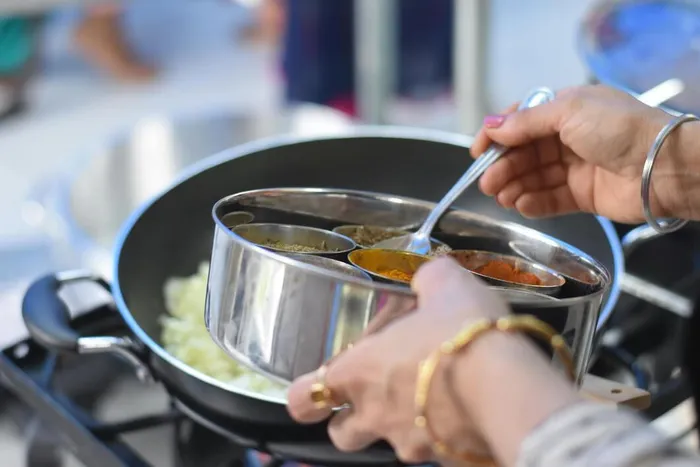
Using less water is becoming a daily necessity for households adjusting to ongoing shortages, especially when preparing meals and cleaning up.
Image: Pexels/Gagan Kaur
Durban and Johannesburg are facing severe water crises.
In Johannesburg, infrastructure collapse has caused nearly 45% of water to be lost before reaching taps. Suburbs like Midrand, Westdene and Parktown have gone from 10 days to over five weeks without water.
A recent strike by Johannesburg Water staff slowed repairs further. An Intergovernmental Water War Room now coordinates with Rand Water and national departments to restore supply.
In Durban, post-flood damage combined with high temperatures and increased demand has left areas like Springtown and Umhlanga with low pressure or no water.
Failing wastewater plants, algae in treatment works and pipeline upgrades have also worsened the situation. Residents are learning to adapt to prolonged outages, including finding ways to cook when taps run dry.
Cooking without a steady water supply requires planning and flexibility. One of the simplest strategies is to focus on meals that need little or no water.
Dishes such as pasta salad, wraps, sandwiches and stir-fried vegetables can be prepared using stored or bottled water.
For rice or beans, cooking small portions at a time in minimal water is more efficient. Soaking beans overnight in a covered container can reduce cooking time, saving both water and fuel.
Using alternative liquids can also help. Broths, canned tomatoes or even water saved from washing vegetables can substitute in recipes.
This makes soups, stews and sauces possible without relying on fresh tap water. Cooking in batches allows families to reduce overall water use and have meals ready for several days.
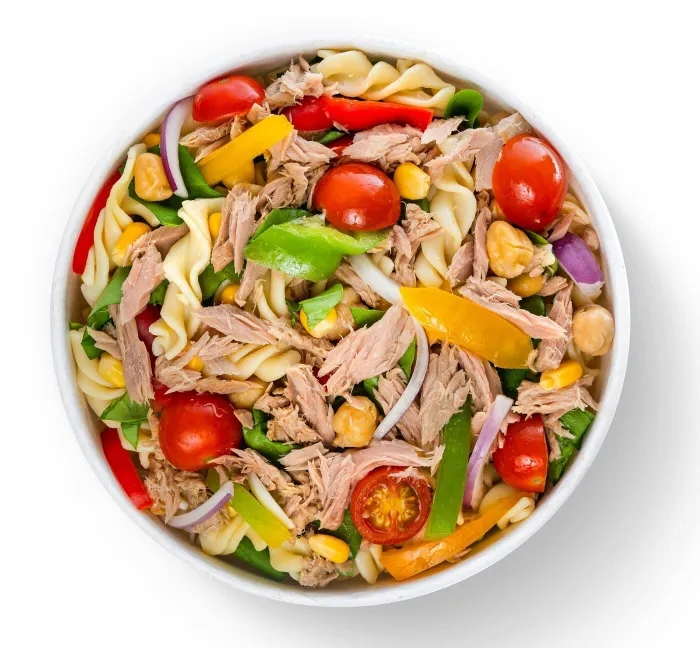
Fresh tuna salad with mixed greens and vegetables, a practical no cook meal that requires little to no water preparation during ongoing shortages.
Image: Pexels/Eiliv Aceron
Kitchen hygiene is also important during a water crisis. Keep a small supply of water in clean containers for washing hands, cutting boards and utensils. Using damp cloths or wet wipes can substitute for running water when cleaning surfaces.
Dishwashing can be done in two stages: first in a basin of soapy water, then in a second basin of clean water for rinsing. This method reduces the amount of water needed while maintaining sanitation.
For residents with limited access to electricity or gas, no-cook meals are practical. Fresh fruits, canned beans, canned fish, nut butters and bread or tortillas can form balanced meals.
Pre-prepared salads, wraps and cold pasta dishes are also useful options. Planning meals around ingredients that require little washing or cooking helps maintain nutrition while conserving water.