

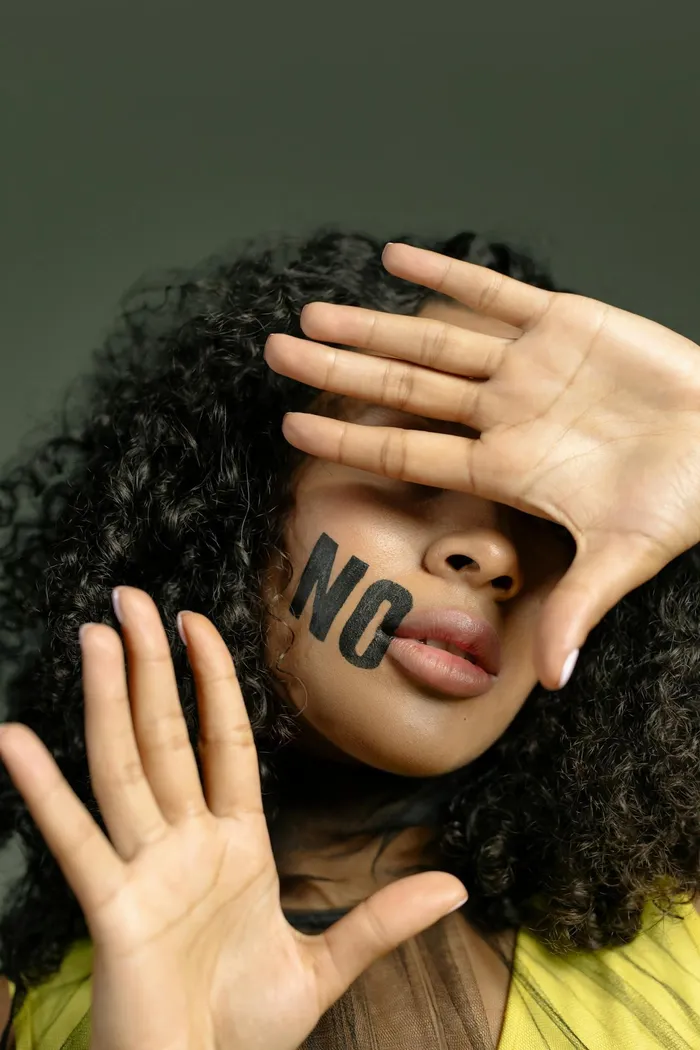
Embracing rejection, the surprising self-help trend tackling social anxiety
Image: cottonbro studio /pexels
Someone wrote, “If you’re the kind of person who apologises to lamp posts or spends 20 minutes editing a text before sending it, you’re not alone”.
I have never felt so seen in my life. Social anxiety is a lot more common than we think, quietly shaping our daily choices from the texts we overthink to the opportunities we let pass us by.
But what if the very thing we’re most afraid of, rejection, could help us break free from anxiety’s grip?
Welcome to rejection therapy, the self-improvement trend taking over social media under the hashtag #rejectiontherapy. It’s part challenge, part exposure, part emotional bootcamp and its core idea is as simple as it is radical: What if you got comfortable hearing “no”?
What is rejection therapy?
Rejection therapy isn’t a therapy in the clinical sense. It’s a self-help game invented by Canadian entrepreneur Jason Comely in 2010, but it hit mainstream status thanks to Jia Jiang and his viral “100 Days of Rejection” challenge.
Jiang’s journey through a hundred awkward, bold, and sometimes hilarious rejections documented on his blog, TED Talk, and book resonated with millions.
The rules are straightforward: Seek out one rejection every day. Whether it’s asking for a discount on coffee, requesting a tour of a stranger’s house, or pitching a wild idea at work, the point is to intentionally put yourself in situations where someone might say no.
Why would anyone do this?
Because, as Jiang and countless others have discovered, repeated exposure to “no” can make rejection less scary. It’s a form of exposure therapy, a well-established psychological practice used to gradually reduce fear by facing it head-on.
“Facing fears that aren’t actually dangerous can help you overcome those fears,” says Dr Peter W. Tuerk, Ph.D, a clinical psychologist and professor at the University of Virginia.
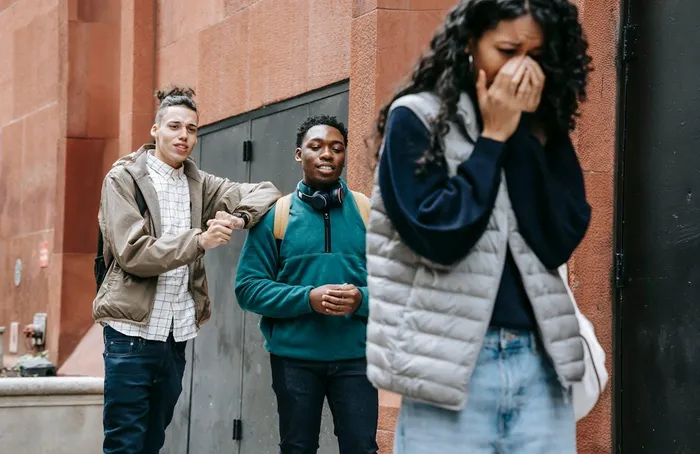
Though rejection therapy isn’t therapy in a traditional clinical sense, it serves as a self-help game
Image: Keira Burton /pexels
While rejection therapy isn’t an evidence-based intervention, the principle behind it is sound.”
Why does rejection sting so much?
The fear of rejection isn’t just in your head; it’s rooted in our biology. Our brains are wired to crave social acceptance. According to psychologist Dr Elisabeth Morray, VP of Clinical Operations at Alma, people may fear rejection for three main reasons:
And yet, as Morray emphasises, avoiding rejection may actually shrink your world.
“The urge to avoid rejection can limit our choices and keep us from pursuing things we care about,” she says.
The science (and limitations) behind rejection therapyWhile there’s not yet a wealth of clinical trials specifically on rejection therapy, the underlying mechanism of exposure is well supported by research.
A 2019 review published in Cognitive Behaviour Therapy found that exposure-based treatments are among the most effective for social anxiety disorders.
But experts also caution that rejection therapy is not a substitute for mental health treatment, especially for those with severe anxiety.
“It’s a self-help tool, not a clinical intervention,” Dr Tuerk notes. If your anxiety is overwhelming, seeking help from a licensed professional is always the best move.
How to try rejection therapy (without completely freaking out)
Ready to dip your toes in? Here are a few low-stakes, real-life #rejectiontherapy ideas:
The goal isn’t to rack up “yeses”, it’s to practice hearing “no” and realise you’re still okay.
What’s the real payoff?
You don't have to learn to love rejection to benefit from rejection therapy. Learning how to deal with rejection is about teaching your brain that it isn't the end of the world.
As publicist and podcast host Alice Draper puts it, “The stories we tell ourselves about rejection influence whether these failures fuel our ambition or stifle our growth.”
Her podcast, "My Rejection Story", spotlights how even the most successful people have faced (and survived) plenty of “no’s”.
Learning to tolerate rejection can make you braver, more resilient, and more willing to go after what you want in relationships, at work, or just in daily life.
If your fear of rejection is keeping you from living fully, it might be time to experiment.
Start small, stay safe, and remember: you’re not alone. According to research in Current Opinion in Psychology, vulnerability and exposure to social risk are key ingredients for personal growth.
Chances are, you’ll discover it’s not nearly as bad as your anxious brain would have you believe.