


In a 2023 report, nearly 49% of adults reported feeling their attention spans had diminished over time, with 66% expressing concern about younger generations struggling even more.
Image: Pexels/ Yan Krukau
In a world where attention has become a scarce and valuable resource, nearly half of adults in South Africa report struggling with their ability to focus.
For those living with Attention Deficit Hyperactivity Disorder (ADHD), an estimated 2.5% to 4.3% of the population, the situation is even more dire.
The relentless pull of screens, combined with an already under-recognised condition, has created a perfect storm of challenges.
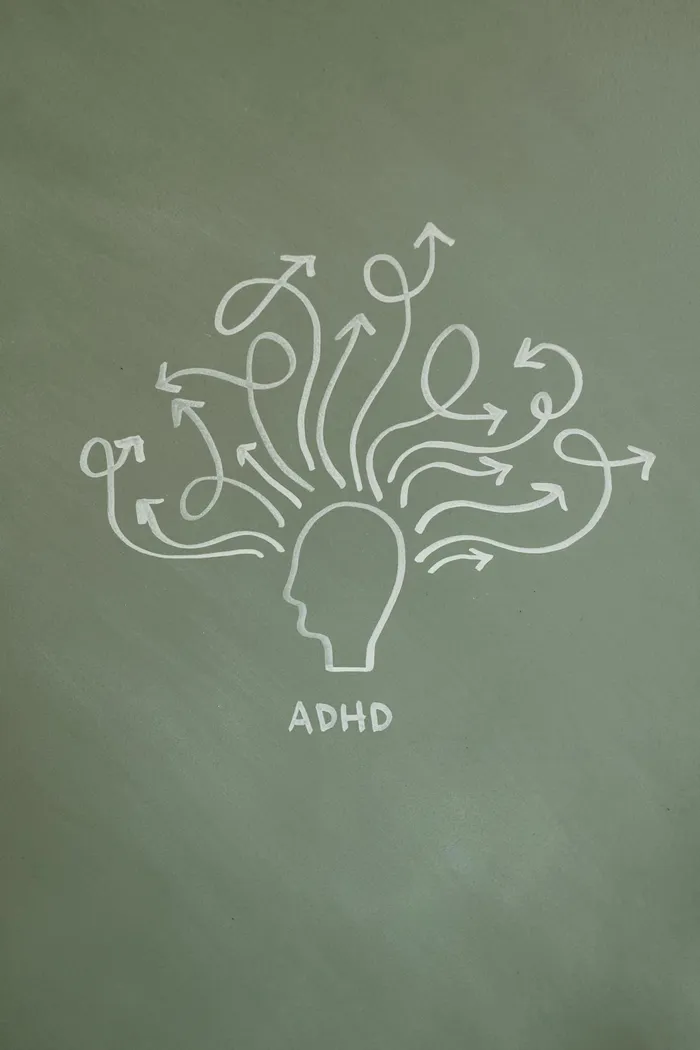
In a 2023 report, nearly 49% of adults reported feeling their attention spans have diminished over time, with 66% expressing concern about younger generations struggling even more.
Image: Tara Winstead /Pexels
ADHD, a neurodevelopmental disorder marked by inattention, impulsivity, and hyperactivity, often goes undiagnosed in South Africa. Poor identification and limited access to mental health resources have led to an alarming treatment gap of up to 75%, leaving many individuals without adequate support.
Yet, in today’s digital age, the stakes are higher than ever.
The digital distraction dilemma
“Smartphones, TikTok feeds, and streaming platforms offer an endless stream of dopamine hits,” says Professor Renata Schoeman, convenor of the 6th Southern African Multidisciplinary ADHD Congress and head of the MBA in Healthcare Leadership at Stellenbosch Business School.
“For individuals with ADHD, who already wrestle with impulsivity and difficulty sustaining attention, this constant stimulation can be devastating.”
The Congress, set to run from September 3 to 6, is themed “ADHD in the Digital Age: Thriving in a World of Distraction”.
It brings together psychiatrists, psychologists, educators, researchers, and patient advocates from across Africa to explore how digital environments shape ADHD symptoms and to uncover ways to help individuals thrive.
A 2023 report revealed that nearly 49% of adults feel their attention spans are shorter than before, while 66% believe younger generations are struggling even more. “We live in an attention economy, where platforms are designed to fragment focus,” explains Schoeman.
Although our brains are not biologically wired for shorter attention spans, the constant barrage of digital distractions disrupts focus and fatigues the mind. Technology has replaced our need and perhaps our willingness to engage in long, deep-focus tasks.
“Most people check their phones far more often than they realise. On average, people check their phones up to 80 times daily, even though they estimate it to be just 25. Around 50% admit they struggle to stop checking their phones when they should be focusing. This issue spans all age groups, not just youth.”
ADHD in the digital age
For individuals with ADHD, the effects of this “media multitasking” are amplified. Constant digital stimulation worsens forgetfulness, emotional reactivity, and difficulty with organisation, often straining personal relationships and increasing anxiety.
“It leaves many feeling misunderstood or unfairly labelled as lazy,” Prof Schoeman explains. In reality, they’re fighting an uphill neurological battle.”
The digital world, however, is not entirely the enemy. The Congress aims to explore how technology can be used intentionally to support attention and mental well-being.
“Technology offers powerful tools to assist those with ADHD, but only if used intentionally,” says Schoeman. Emerging research is uncovering ways to use the digital realm as an ally rather than an obstacle.
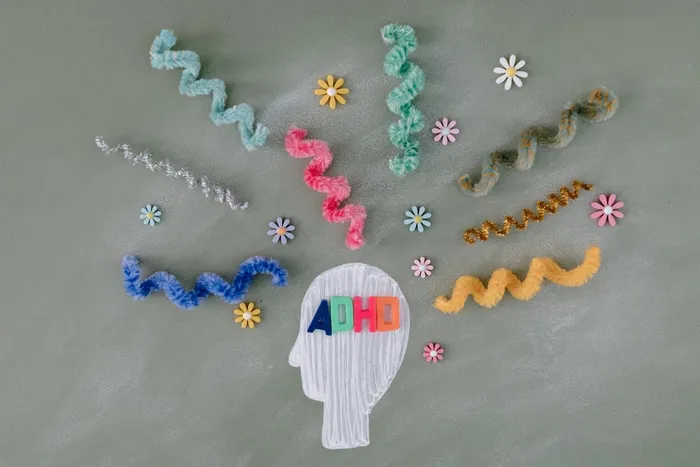
For individuals with ADHD, the consequences of digital distractions can be particularly severe, amplifying forgetfulness, emotional reactivity, and organisational difficulties.
Image: Tara Winstead /Pexels
For instance, augmented reality (AR) environments show promise in enhancing sensory processing and managing attention for individuals with ADHD. AR provides immersive, adaptive support tailored to individual needs, potentially helping people focus in ways that traditional interventions cannot.
Online communities and remote mental health services also offer new avenues for connection and care. Even simple tools, such as digital reminders, alarms, and calendars, can help individuals with ADHD manage their daily lives more effectively.
But the solution isn’t just about using new tools’s about rethinking how we interact with technology altogether.
“We need to figure out how to live better within the attention economy,” says Schoeman. “Attention is a resource, much like time and finances, and we must choose carefully how we apply it.”
This perspective holds relevance for everyone, not just those with ADHD. The relentless consumption of bite-sized content, binge-watching, and endless scrolling is a collective challenge that demands greater mindfulness in how we engage with the digital world.
If you’re struggling with focus, taking small, intentional steps can create meaningful change. Here are some practical tips:
Schoeman provides practical strategies for balancing technology use: