


Reproductive healthcare and menstrual dignity remains a daily struggle for millions of women and girls across South Africa.
Image: Cliff Booth / Pexels
Access to reproductive healthcare and menstrual dignity remains a daily reality for millions of women and girls across South Africa.
While conversations around these issues have grown louder, the lived experiences on the ground reveal deep inequalities that continue to affect education, health, and economic opportunity.
From rural clinics struggling with limited resources to schoolgirls missing class because of period poverty, the challenges are complex and deeply rooted.
Through conversations with inspiring women in different fields, it is clear there is both progress and significant gaps that still need attention.
Tania Joffe, Principal and CEO of Unu Health, a digital healthcare platform, offers valuable insights highlighting the fact that one of the biggest hurdles women face is accessibility.
Many women outside major cities must travel long distances to reach clinics.
The costs of transportation, time off work, and childcare often make it difficult for them to access contraceptives or reproductive health care consistently.
Even when services are supposed to be free at public clinics, the hidden costs act as barriers. There is also a stigma attached to asking for contraceptives, which discourages many women from seeking ongoing care or feeling comfortable in health settings.
The disparities between urban and rural women are stark.
Women in cities tend to have more options, including well-resourced clinics and a wider range of services. In rural areas, clinics often lack basic resources and are overwhelmed with staff shortages.
The digital divide further widens this gap. Urban women are increasingly using apps and telemedicine services to manage their reproductive health, while rural women may be left behind because of weak connectivity and limited digital literacy.

Urban women are increasingly using apps and telemedicine services to manage their reproductive health.
Image: Pexels
Even when services are available, a lack of education and awareness inhibits utilisation.
Myths about contraceptives, such as fears of infertility, persist in many communities.
These misconceptions, coupled with cultural beliefs that place the entire responsibility of family planning on women or shame young girls from seeking help, create a climate of silence and fear.
Expanding digital healthcare services is seen as a vital part of solving these issues.
Virtual consultations can provide safe, private access to advice, prescriptions, and follow-up care in communities where healthcare shortages persist.
Turning to the issue of period poverty, Ramona Kasavan, CEO of Mimi, shares a stark reality.
During a recent visit to Limpopo, she was alarmed by what she saw. More than 2,000 schools in the province lack proper toilets and running water.
Many girls have no choice but to manage their menstruation with old clothes, socks, or rags, risking infection or humiliation.
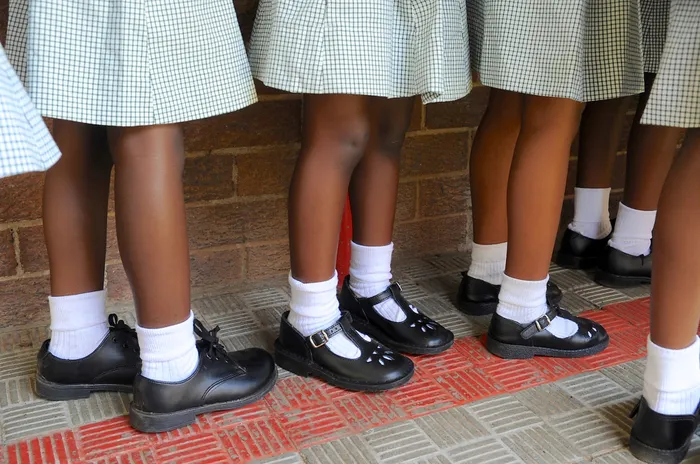
Millions of girls and women have their lives on hold due to a lack of access to menstrual products.
Image: Karen Sandison
She emphasises that material shortages are only part of the problem. The real issues are cultural stigma and lack of education.
There remains a deep shame attached to periods, which results in girls hiding their menstruation from friends and teachers.
This shame often leads to bullying. Girls are called dirty or told they smell, and are often forced to stay home during their periods.
Missing school this way can have lasting impacts on their education and self-esteem.
Kasavan advocates for practical solutions like increased involvement from the government and the private sector.
More hygienic facilities and educational programs could make a significant difference.
She believes that corporate sponsorships for sanitary bins, clean bathrooms, and menstrual health education could create a more dignified environment.
She notes that many girls avoid drinking water during their periods out of fear of needing to use unsanitary toilets, which leads to dehydration and difficulty concentrating.
The result is hundreds of missed school days each year, which can set girls back academically.
Sue Barnes, a fashion designer based in KwaZulu-Natal and founder of Subz Pads, offers a grassroots perspective.
Her organisation distributes washable, reusable sanitary pads that can last up to five years. She describes her work as more than just providing pads. It is about restoring confidence and dignity for girls.
Barnes observes that the main barriers remain financial constraints and a lack of knowledge. Some girls cannot afford pads or live far from shops.
Many do not understand what their periods are or how to manage them properly.
She urges the government and private sector to distribute sustainable pads that are affordable over the long term.
Both women agree that educating boys as well as girls is crucial.
When boys understand the menstrual cycle and female reproductive health, it fosters respect and reduces stigma.
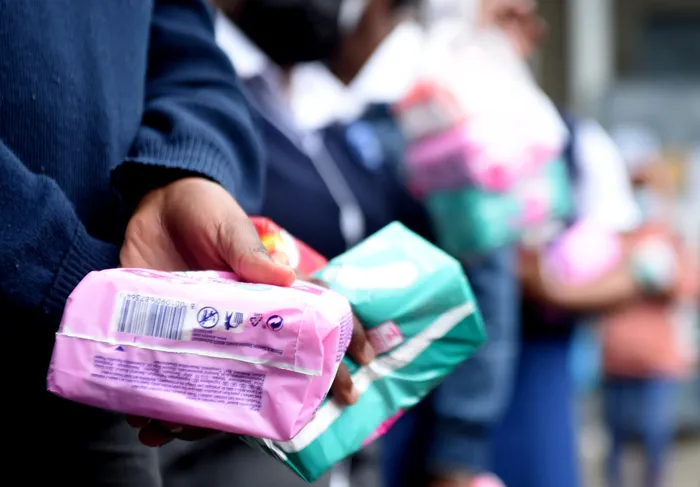
Health experts say period poverty can have far-reaching consequences and ultimately affect female learner academic performance.
Image: Itumeleng English / Independent Newspapers
Menstrual health is a community issue that involves everyone.
The statistics reflect these challenges. Up to 45 per cent of girls in some regions have missed school because of period poverty.
Access to reproductive health services remains uneven, especially in rural and urban areas.
High rates of teenage pregnancies and limited contraceptive use highlight the urgent need for better education, resources, and systemic support.
At the heart of these challenges are resilience, innovation, and the ongoing fight for dignity.
Addressing reproductive healthcare and period poverty requires collective action from government, business, communities, and individuals.
Through awareness, education, and sustained investment, lasting change is not only possible but necessary.