

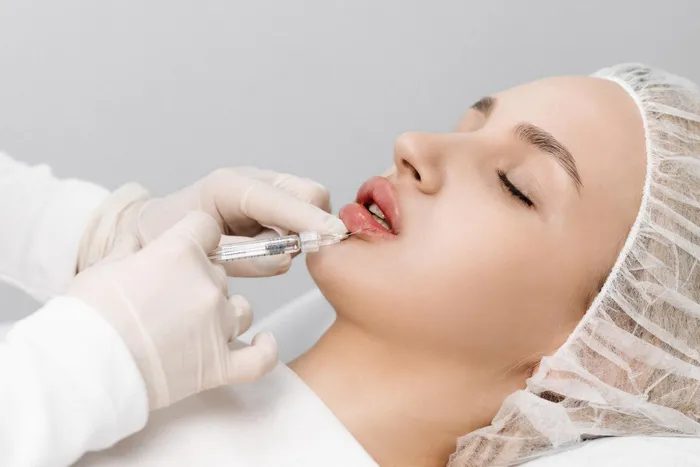
Fillers add volume to lips.
Image: Valeria Stoganenko / Vecteezy
Injectables are no longer a Hollywood secret reserved for celebs, it’s become a standard part of our beauty routines.
We love the speed and the fact that we can get a subtle refresh during a lunch break.
Whether it is a touch of volume in the lips or smoothing out a few lines, filler has become a go-to for many.
But as the years go by and top-ups become more frequent, a new conversation is starting in the consulting rooms of top plastic surgeons.
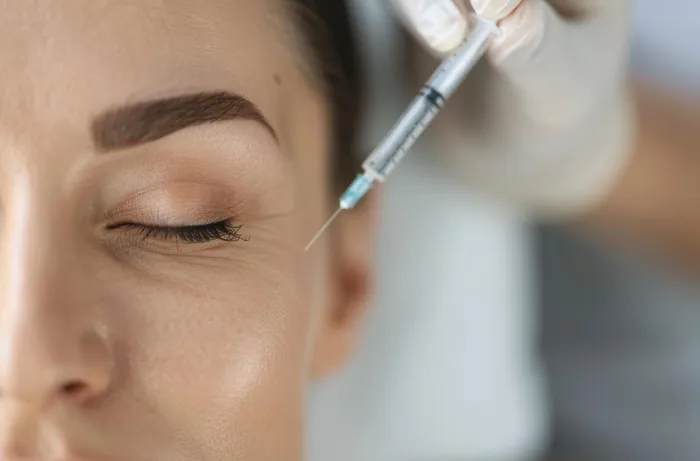
Injectables has become a popular beauty treatment.
Image: Oleg Gapeenko
A noticeable shift is emerging as more people arrive with what experts call filler fatigue.
This happens when the face begins to lose its natural balance because repeat treatments have blurred the definition.
Professor Chrysis Sofianos, a leading plastic surgeon in Johannesburg, says the issue is often only recognised once it has developed, particularly when volume-based treatments continue without a long-term structural plan.
“Fillers remain highly effective when used responsibly, but filler fatigue can occur when injectables are repeated over time, sometimes long after their benefits have plateaued,” he says.
Filler fatigue is more than just having a bit too much product. It is a gradual change in how the face looks after years of layering fillers to compensate for ageing.
Over time, the product can accumulate or subtly shift. This often dulls the contours and softens the transitions between facial features, which ends up weighing the face down instead of lifting it up.
When we age, our tissue moves downwards because of gravity. Filler adds outward projection.
Professor Sofianos explains that while fillers remain highly effective when used responsibly, they can become a problem when they are used to fight descent.
“Used repeatedly to counter descent, volume can distort the face’s architecture rather than correct it, as the tissue needs to be lifted instead,” he notes.
This can lead to a look often described as pillow face, where the cheeks are over-projected and the eyes look compressed.
The solution for many is not more filler, but a focus on the underlying structure of the face.
For those experiencing filler fatigue, a surgical approach can restore the balance that volume alone cannot achieve.
This is where the endoscopic facelift comes in. It is a minimally invasive option that addresses the midface and brow area without the heavy recovery time associated with traditional surgery.
Rather than just pulling on the skin, this procedure uses a camera-guided technique to lift and reposition the deeper facial structures.
“The camera changes everything,” Professor Sofianos points out.
“The magnification allows exact placement and minimal disruption, returning the tissue to a more natural position and restoring the balance seen before the distortion set in.”
One of the biggest benefits of this structural approach is that it allows the face to look natural and expressive again.
Because the focus is on lifting what is already there, patients can avoid the heavy or flat look that comes with overfilling.
It is particularly popular among people in their 30s and 40s who are experiencing early signs of ageing and want a long-term solution rather than a cycle of constant top-ups.
This does not mean you have to give up on injectables forever. Instead, it is about using the right tools at the right time.
By restoring the facial foundation through a procedure like an endoscopic facelift, future fillers can be used more selectively and sparingly.
“When structure is restored, the face then looks more natural, clearer, youthful, and expressive, empowering patients to move forward with the right balance rather than excess,” says Professor Sofianos.