
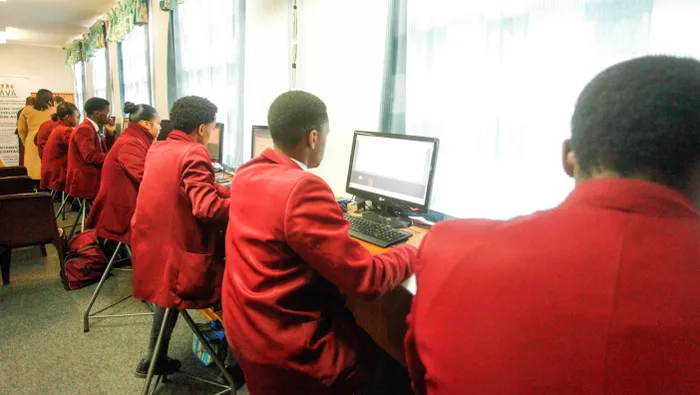
Project Dineo aims to attract more youths to the automotive industry.
Image: Supplied
Youth unemployment remains a crisis of epic proportions in South Africa.
The most recent figures, from the first quarter of 2025, showed that joblessness among those under 34 surged to 46.1%, from 44.6% in the previous quarter.
And yet skills shortages prevail, particularly among the trades. For instance, South Africa currently trains just 13,000 artisans per year, well below the national target of 30,000, according to BluLever Education.
A new initiative called Project Dineo aims to attract more youths to the automotive industry by providing a practical pathway to 100 learners per year for the next three years.
The project is a partnership between the Retail Motor Industry (RMI), merSETA and the Presidency, and it will focus on empowering women, people with disabilities and youth from disadvantaged backgrounds.
Launched at the MIWA Motor Mech Show at the Port Rex Technical High School in East London over the weekend, the programme will provide high-quality training through top public TVET colleges and accredited learning providers. This will be complemented by hands-on apprentices at RMI-approved employers.
“The combination of formal education and real-world exposure sets learners on a direct route to full employment in high-demand trades such as motor and diesel mechanics, panel beating, spray painting, and more,” says RMI National Training Director Louis van Huyssteen.
He added that modern apprenticeships offer much more than practical training, they provide a pathway to a respected and sustainable career.
“In today’s rapidly evolving technological world, being an artisan is about engaging with cutting-edge tools, diagnostics, and technologies. It is a future-facing profession and a real career of choice,” van Huyssteen added.
Sabelo Buthelezi, special project director at the Department of Higher Education said participation by private sector employers was essential for providing today’s youth with the necessary skills.
“Without workplace experience, an apprenticeship remains incomplete. Without employer mentors, apprentices lack the real-world feedback that makes learning come alive. We are not asking you to carry this burden alone. Government, through SETA grants and support systems, stands with you,” Buthelezi said.
IOL