

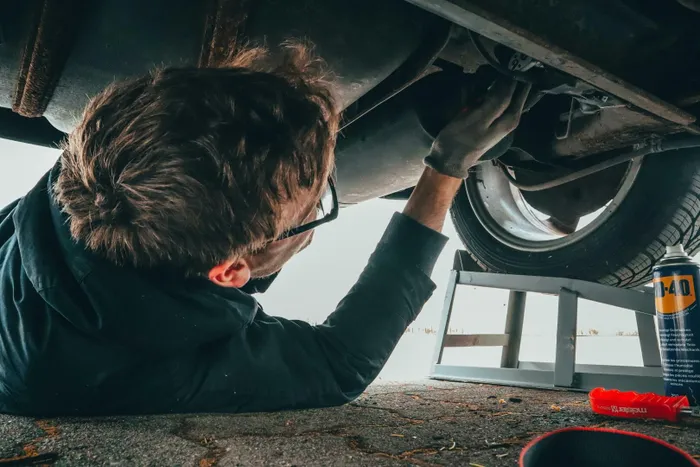
On-demand mechanics are reshaping the South African motoring industry.
Image: Supplied
South African vehicle owners are increasingly using traditional workshops less, preferring to use on-demand mechanical services, with a local platform reporting 40% growth in registered users over the past six months.
The trend reflects a broader global shift with the mobile vehicle repair market projected to grow from $4.27 billion to $6.51 billion by 2030.
“We're seeing a broader behavioural shift toward convenience-led, on-demand services,” said Lesetja Dikgale, founder of Michanic.
“Just as customers now expect groceries, transport, and beauty services to come to them, motorists are increasingly looking for the same when it comes to vehicle servicing and repairs.”
According to Mordor Intelligence, digital platforms across Europe, the United States and parts of Asia are increasingly connecting independent mechanics directly with customers, bypassing the traditional workshop model.
The approach is reshaping how routine servicing is delivered, with demand extending beyond emergency breakdown assistance.
The appeal of mobile servicing is moving beyond reactive repairs. Customers are increasingly requesting preventative maintenance and addressing early-warning issues before they escalate.
Services include overheating diagnostics, auto-electrical fault finding, scheduled servicing and brake replacements, carried out at home or at work.
The shift comes amid ongoing cost-of-living pressure, with motorists becoming more sensitive to fuel prices, repair costs and time lost to workshop delays.
Local platform Michanic has recorded a 40% increase in registered users over the past six months, bringing its total user base to more than 300,000.
Growth has been strongest in Gauteng, the Western Cape and KwaZulu-Natal, provinces that account for the majority of the country’s vehicles, where congestion and long commutes increase the value of time-saving services.
The platform operates entirely digitally with users recording vehicle details, location and the issue, after which the system generates an upfront price.
Once confirmed, the customer is matched with a nearby mechanic. Bookings can also be completed via WhatsApp.
According to Dikgale, mechanics on the platform undergo identity verification, criminal background checks, trade certification verification and professional registration confirmation.
Customers receive mechanic details and ratings in advance, while digital job tracking and service monitoring are used throughout the process.
Servicing economics
The model reduces fixed workshop overheads, allowing mobile platforms to offer competitive pricing while maintaining professional standards.
“Customers benefit from upfront pricing, digital booking, and service at their home or workplace, significantly reducing downtime and the hidden costs of towing, waiting, or taking time off work,” said Dikgale.
The platform allows independent mechanics with access to a broader customer base and more consistent demand.
“Skilled technicians who previously struggled to find consistent work can now connect directly to a steady stream of demand, earn more predictably, and operate with greater independence while still benefiting from the credibility and technology infrastructure provided by the platform,” Dikgale concluded.