
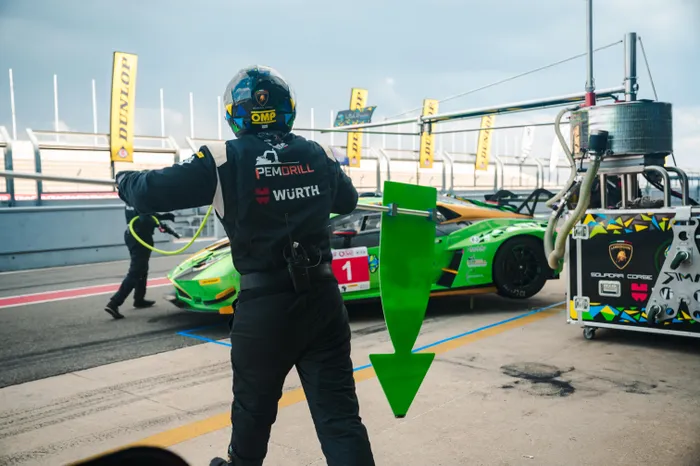
Nine Hours of Kyalami, returns to the Kyalami Grand Prix Circuit on Saturday, November 29
Image: Supplied
The Nine Hours of Kyalami is set to return to the Kyalami Grand Prix Circuit on Saturday, reinstating one of South Africa’s most established endurance racing events.
The race brings together a wide range of competitors and machinery, contributing to the country’s continued presence on the international GT racing schedule.
This year’s edition again forms a central part of the Southern African Endurance Series (SAES), the region’s leading endurance championship. Its arrival follows the 5 Hours of Zwartkops held in October, the fifth round of the current campaign.
With the season building steadily across each event, the focus now shifts to Kyalami, which stands as the headline race on the SAES calendar.
A broad and competitive field is set to line up this year, featuring GT3 entries along with Porsche, BMW, Audi, and Mercedes teams, as well as superbikes, karting classes, and the Lotus 7 class. The nine-hour format, running from daylight into the evening, will place significant emphasis on consistency and mechanical durability.
SAES Acting CEO Liyema Letlaka predicts a day of edge-of-your-seat racing, with drivers tested to the fullest and rubber flying across the Kyalami circuit.
“What can be expected is a day filled with adrenaline, and most of the teams are competing for championships and titles,” Letlaka told the Independent Newspapers.
“The Nine Hour is our finale, and just racing in Kyalami is always something most competitors and people look forward to because of the track that it is, and that is what makes it special.
“Driving for nine hours can test everything in a team—how you communicate and the strategies behind it.
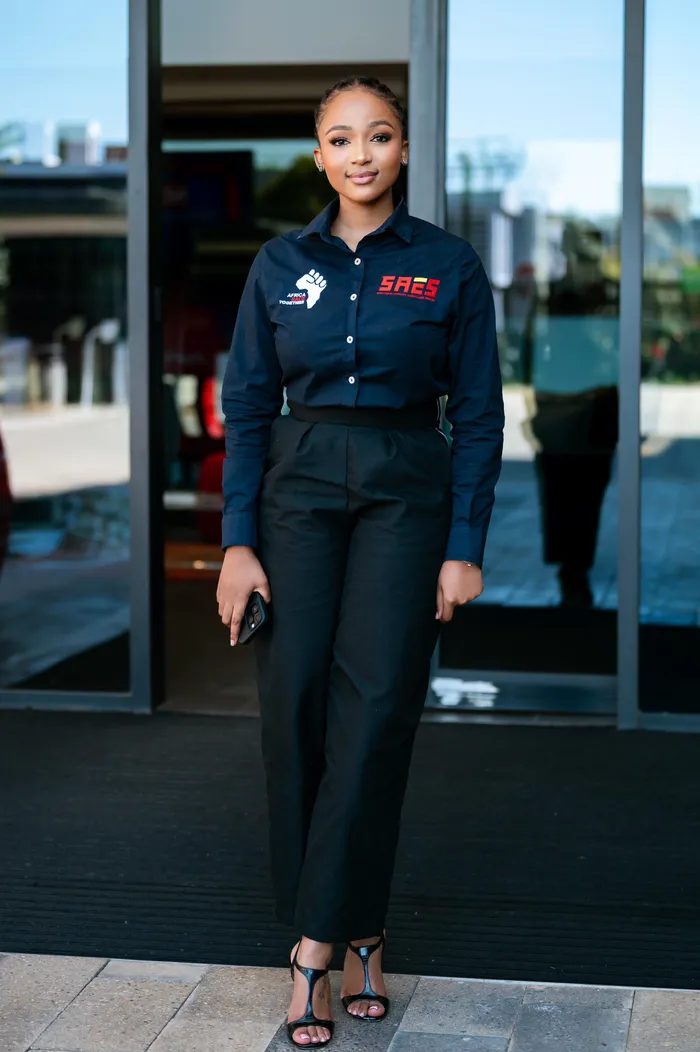
SAES acting CEO Liyema Letlaka
Image: Image: Supplied
“The Nine Hour race has three drivers, so it’s all about strategy: when you pit, fuel, and switch drivers. It’s all about how the team works in synergy, and that is how most teams say they win.”
Letlaka has been at the forefront of driving transformation within the motorsport industry. Passionate about creating inclusive opportunities, she is focused on empowering people of colour and making motorsport more accessible to all South Africans.
“Motorsport is very expensive and a closed-off industry, but what we try to do as SAES is to bring transformation and inclusivity.”
Letlaka added that although motorsport is expanding in South Africa, the high costs have left gaps in the development pipeline, making it challenging for young talent to reach the top levels—but plans are in place to address some of these barriers.
“Next year we are starting things like Polo rookie cups to help young talent—those will be 14-year-old kids up to 16 in a car, racing.
“We have tried to do projects to nurture the talent that we already have, because we notice that from karting to getting to the main circuit there is a little bit of a gap, and that is the gap we are trying to bridge—just to give kids a platform to showcase what they have.”