Saftu gears up for national shutdown tomorrow over high cost of living
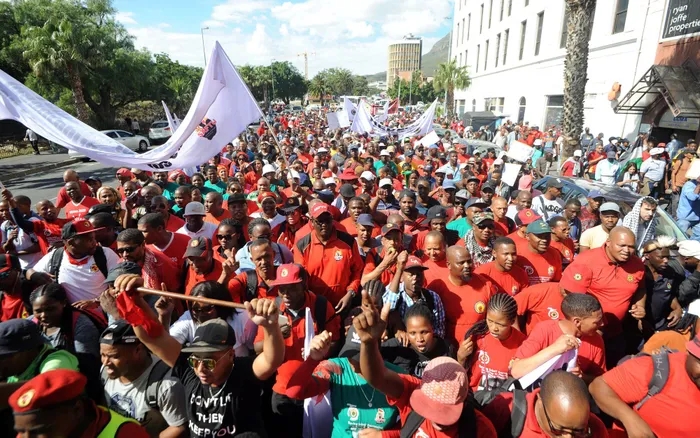
According to Saftu General secretary Zwelinzima Vavi, the shutdown has been endorsed by a number of NGOs and political parties, such as the EFF and the PAC.Image:Ayanda Ndamane/African News Agency/ANA
The South African Federation of Trade Unions (Saftu) has confirmed that it will participate in a national shutdown on Wednesday to raise awareness of the high cost of living in the country, among other issues.
The federation held a press briefing in Johannesburg on Monday detailing the plan for the shut down.
According to Saftu General secretary Zwelinzima Vavi, the shutdown has been endorsed by a number of NGOs and political parties, such as the EFF and the PAC.
Saftu and Cosatu are holding shut downs on the same day.
Satu said the decision was taken at a recent NEC meeting. It also held a workers’ summit in preparation for the shutdown.
"Our national shutdown is organised to show the working class the way of fighting back, and politically unite them in action. The Working Class Summit process, which is debating the need for the creation of a mass party of the working class, is also striving towards unity of the working class, not just in action, but in organisation," Vavi said.
Vavi said the prices of necessities such as food, petrol and electricity had gone sky high. He blamed poor decision-making by government and the arrogant capitalist block for the economic oppression of the working class.
"The decision to hold a general strike/stayaway/national shutdown comes as a result of the worsening socio-economic conditions for the working class and the marginalised poor communities. The cost of living is rising. Corruption and the neo-liberal policies of the ANC have compromised the provision of public services.
“Unemployment has soared. And the the government is accelerating the offensive on public corporations in the form of commercialisation, outsourcing and privatisation," Vavi said.
He said the cost of a standard basic food basket has increased by 46.5% since December 2019, which has resulted in the average household grocery bill being R4 748.
Meanwhile, the Household Affordability Index for June 2022 reported that an estimated cost of return trip using a taxi to work was R1 344 and consumed 34.5% of the wages of workers earning the minimum of R23.19 per hour (R3 895 of those working 21 eight-hour days, and R4 080 of those working 22 eight-hour days).