We need anger because without it, we are saying GBVF is okay
|Published
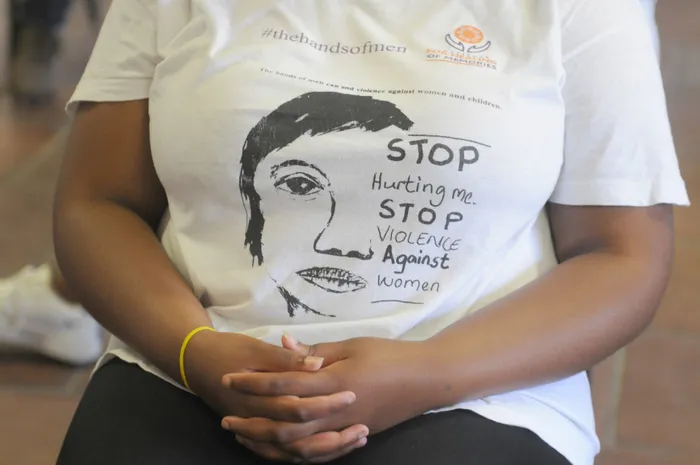
The National Shelter Movement of South Africa (NSMSA) highlighted that in order to deal with gender-based violence and femicide, anger is needed. Photographer Ayanda Ndamane /AFrican News Agency(ANA)
The National Shelter Movement of South Africa (NSMSA), in partnership with the Heinrich Boell Foundation and the Department of Social Development (DSD), wrapped up the 2nd annual GBV Shelter Indaba after tabling critical issues prevalent in the country.
NSMSA board member Dianne Massawe said that in order to deal with gender-based violence and femicide (GBVF), anger was necessary. She also called for a new approach to deal with GBVF.
"We need anger because without it, we are accepting this appalling situation and saying that GBVF is okay. It will become normalised. People need to know that we are angry and that this anger is a normal emotion at a time like this. Our speech and approach to how violence against women is reported in our media must change. We need to stop sensationalising GBVF and start reporting on the facts," said Massawe.
Dr Zubeda Dangor, the head of the NSMSA executive, said the GBV Shelter Indaba was a great opportunity for those working in sheltering and on GBVF issues to come together to discuss the role sheltering played as a critical intervention and GBVF disruptor while addressing the many challenges faced while trying to provide the essential services.
“It was therefore really valuable to have even more DSD representatives present this time around, particularly since attendees were able to directly engage with the minister on issues that concern them."
Dangor expressed disappointment at the absence of police representation at the event.
"The absence of the SAPS was noticed by many. How can we even begin to try to tangibly address the GBVF pandemic if we do not have the support from the police services, which is usually the first stop for victims of violence?
“It was really disappointing that SAPS did not even send one representative to sit in, because many of the issues experienced by victims of abuse stem from inadequate services from the police.
“We must work towards integrating a multisectoral approach between civil society, the private sector and the government. And we are hopeful that the DSD director general will follow through with the commitment to bring key stakeholders, including SAPS, into the room, in addition to helping GBV shelters to establish a concrete link with the Thuthuzela Care Centres."
NSMSA executive member and director at St. Anne’s Home Joy Lange also commented: "Shelters for abused women form an integral part of the services to victims of violence, and it is the state’s responsibility to provide these sheltering services, as enshrined in the Domestic Violence Act (1998) and the National Policy Guidelines for Victim Empowerment.
“For years, we have been calling for a nationally standardised funding model, especially since the underfunding of women’s shelters – as well as late payments –remains a long-standing issue. The inadequacies and inefficiency of the government’s payment policies for shelters have been failing survivors of GBV for too long now."
The NSMSA has adopted several pertinent resolutions, in line with the Indaba’s theme of accountability, co-ordination, and leadership.
This will form the basis of its position at the upcoming Presidential GBV Summit and will guide the organisation’s work for the next year.