Mayville township struggles with food insecurity
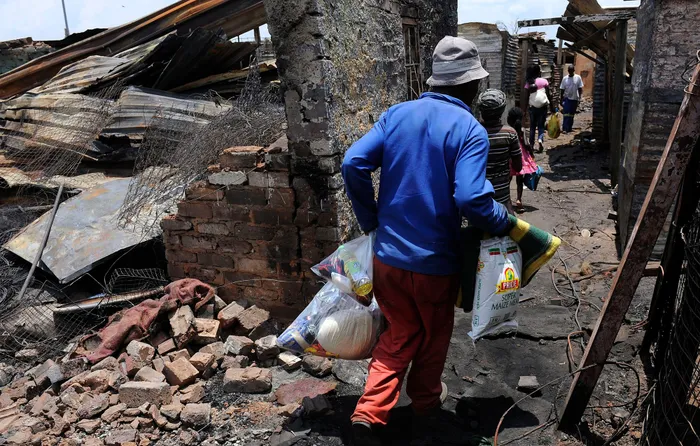
Mayville is facing a grave food insecurity problem, say the writers. Matthews Baloyi ANA Archives
Nothando Mngadi, Nomvelo Gasa and Celani Ngubane
Mayville township in Durban is facing a grave issue of food insecurity. For those who are unfamiliar with the term, food insecurity is defined as the state of being without reliable access to a sufficient quantity of affordable, nutritious food.
In simple words, people in Mayville are not getting enough food to sustain themselves and their families.
Food insecurity is a major problem globally and affects millions of people, and the situation in Mayville is no exception. The township is home to a diverse population, many of whom rely on low-paying jobs and struggle to make ends meet. As a result, many families are forced to make difficult choices about how to allocate their limited resources and often must choose between buying food or paying for other necessities such as housing, healthcare and education.
Food insecurity is a complex issue that is influenced by many factors, including poverty, unemployment and inadequate access to essential services.
n Mayville, these factors contribute to the food insecurity experienced by the residents. The cost of living in the township is high and many families find it difficult to afford healthy and nutritious food. Moreover, the situation was exacerbated by the Covid-19 pandemic, which hit many families hard, leaving them struggling to make ends meet.
The Mayville township is dominated by many migrants, who are mostly from rural areas throughout South Africa and move to Durban in search of jobs and a better standard of living because Durban is one of the largest cities in South Africa with great industrial development. Before they get settled, they build shacks for shelter in Mayville.
The lack of adequate food intake has serious consequences on the community’s health and wellbeing. Malnutrition, stunted growth and other nutritional deficiencies are some of the health problems faced by those who do not have access to enough food. Therefore, to tackle the problem, various initiatives have been established to address food insecurity.
Local governments and NGOs have set up programmes that will allow people to have access to nutritious food, even if it is insufficient to sustain them. There is a soup kitchen next to Cato Crest Primary School where they provide one nutritious meal to community residents every weekday.
There are dietitians who visit schools, clinics and community centres to educate people on how to retain nutrients in their food, no matter how small, so that they do not suffer from malnutrition.
Despite these efforts, more needs to be done to address the root cause of food insecurity.
Authorities, both locally and nationally, need to prioritise policies and initiatives that support sustainable food systems, improve access to essential services and create an enabling environment for local food production.
The government should also ensure that essential goods, including food, are affordable for everyone and that families do not have to make difficult choices about how to allocate their often-limited resources.
Moreover, the government needs to provide support to small businesses and create more job opportunities to tackle poverty and unemployment. It is also essential to improve the education system to equip young people with the necessary skills to secure better-paying jobs.
The problem of food insecurity in Mayville is a significant issue that affects the overall health and wellbeing of the residents. However, through collaborative efforts between various stakeholders, it is possible to address this challenge and ensure that everyone has access to nutritious and affordable food. By acting now, we can create a more sustainable future for all.
The authors are final-year students at the University of KwaZulu-Natal. This is their research proposal touching on a relevant social issue in contemporary day.