
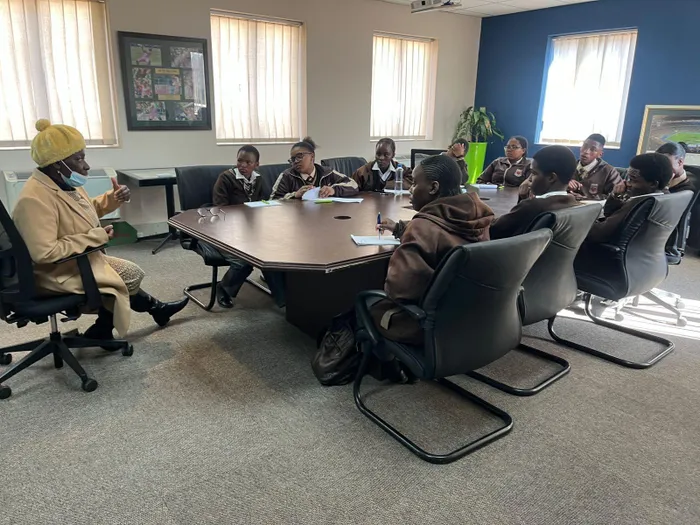
As we celebrate National Science Week, let us remember that the future of STEM in South Africa lies in the hands of our youth.
Image: Supplied
Each year, National Science Week invites South Africans to reflect on the role of science, technology, engineering, and mathematics (STEM) in shaping the nation’s future. But as we celebrate innovation and inquiry, we must also reckon with the fact that many young people across the country still experience STEM as a distant concept.
At Seriti Institute, we see STEM not just as a field of study but as a lifeline for youth in under-resourced communities who are eager to unlock opportunity, purpose, and participation in South Africa’s changing economy. Our UNICEF-STEM: Awareness and Engagement Programme is one such intervention designed to bridge that gap.
Despite growing recognition of the importance of STEM, South Africa continues to face deep structural challenges: Many public schools still lack essential STEM infrastructure — for instance, more than 18,000 lack laboratories and nearly 15,000 lack computer centres.
According to Inside Education (2025), universities produced 5,065 fewer STEM graduates than targeted in the 2023/24 academic year, with a shortfall of 13.6%, especially concerning in critical fields like engineering and physical sciences.
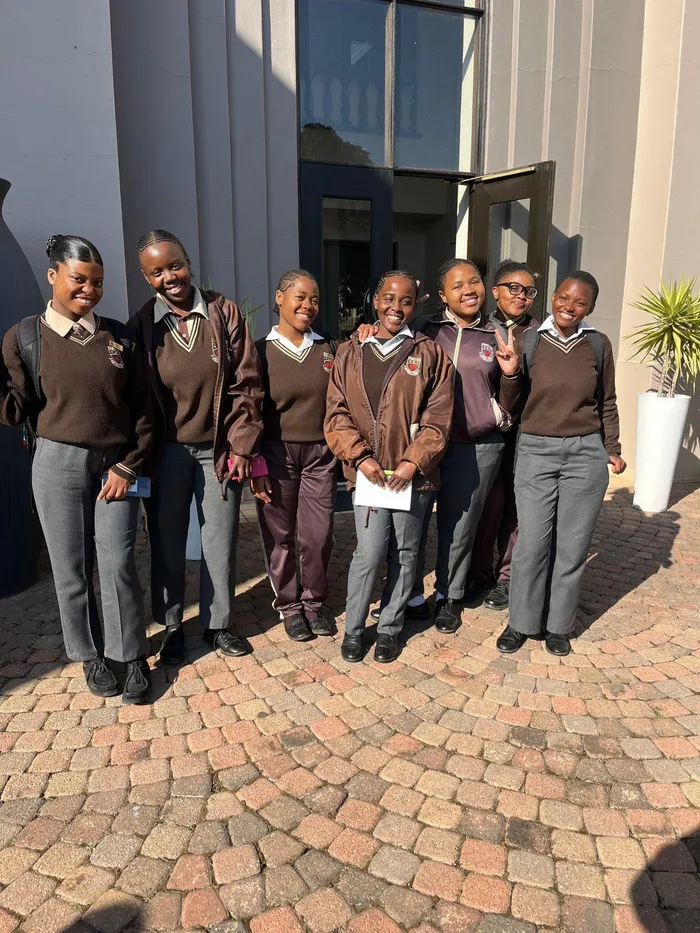
As we celebrate National Science Week, let us remember that the future of STEM in South Africa lies in the hands of our youth.
Image: Supplied
Many learners from townships and rural schools have never met a scientist, entered a lab, or explored STEM career options.
Digital exclusion, high data costs, untrained educators, a lack of resources, and inadequate structured career guidance all compound the problem, leaving learners without the exposure, support, or confidence needed to pursue and persist in STEM education.
In response to these challenges, Seriti Institute, supported by UNICEF, launched the STEM: Awareness and Engagement Programme, a national initiative equipping Grade 9 to 11 learners from Quantile 1-3 schools with digital resources, career guidance, and real-world exposure to STEM careers.
Through an interactive learning platform, learners explore real-world STEM careers, receive mentorship from university students and professionals, and participate in job-shadowing opportunities. The programme aims to reach over 900 learners, train 100 mentors, and empower youth from communities like Alexandra Township to envision clear career pathways and make informed subject choices.
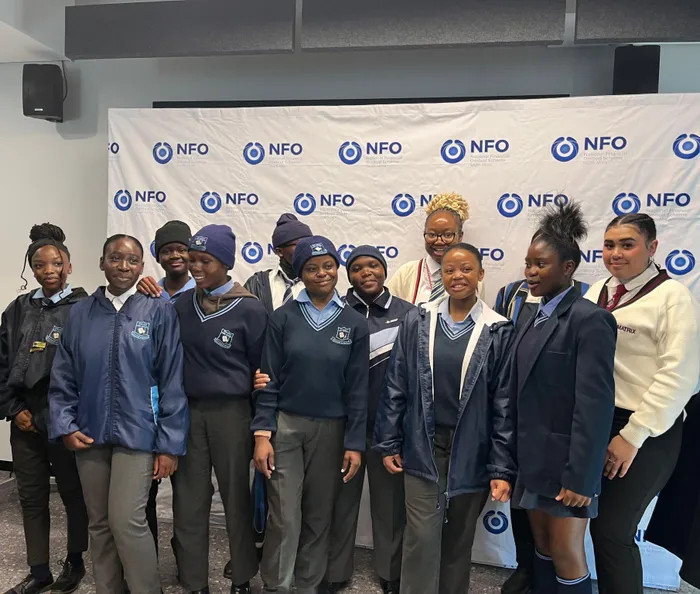
As we celebrate National Science Week, let us remember that the future of STEM in South Africa lies in the hands of our youth.
Image: Supplied
As we celebrate National Science Week, let us remember that the future of STEM in South Africa lies in the hands of our youth.
By continuing to invest in programs like the UNICEF-STEM: Awareness and Engagement Programme, we can ensure that more young people from under-resourced communities not only dream of STEM careers but are empowered to pursue them.
Together, we can help turn curiosity into lasting careers, one learner at a time.
Getrude Mamabolo and Raheemah Boomberg's article explores the persistent gap in science, technology, engineering, and mathematics (STEM) exposure for young people in under-resourced South African communities. It highlights how the UNICEF-STEM: Awareness and Engagement Programme, implemented by Seriti Institute, is bridging this gap by providing learners with digital resources, mentorship, and real-world career exposure. The piece also situates this work within the context of National Science Week, making the case for sustained investment in STEM opportunities for youth.