

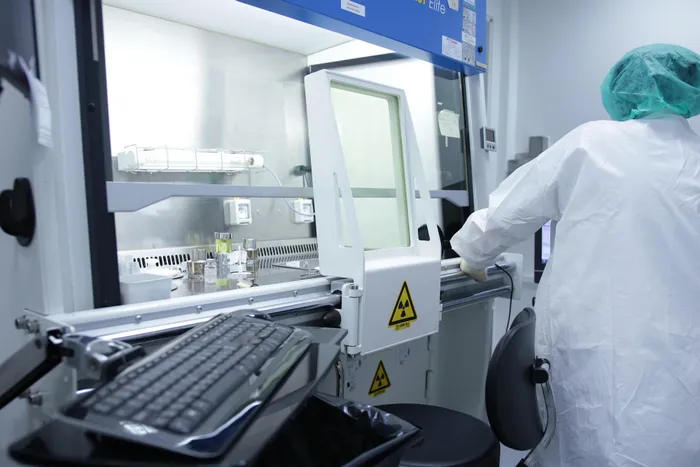
The stalled R703 million Johannesburg South Forensic Pathology Laboratory project highlights systemic issues in Gauteng's healthcare infrastructure, forcing grieving families to wait years for toxicology results.
Image: Bokskapet/Pixabay
After years of stalled progress, the Gauteng Department of Infrastructure Development has conceded that the R703 million Johannesburg South Forensic Pathology Laboratory requires a full inquiry, confirming it has now sought legal advice over the delays.
This development comes against the backdrop of a deepening crisis in Gauteng, where grieving families have been forced to wait as long as a decade for toxicology results. These delays have stalled prosecutions and burials.
The democratic Alliance (DA) Gauteng health spokesperson, Madeleine Hicklin, said that the party has been calling for the completion of the vital facility since 2022, even escalating the matter to the National Department of Health in response to mounting pressure from residents.
“We have also been advocating for improved treatment of the deceased and their families, many of whom have endured waits of up to ten years for toxicology results, resulting in prolonged delays in burials. In response to mounting pressure, MEC Mamabolo has begged for our indulgence and disclosed that he has ‘commissioned a legal opinion on the project.’”
She noted that construction of the Helen Joseph Hospital-based facility began in 2016 with an estimated budget of R588 million, yet nine years later, it remains unopened, with costs escalating to R703 million and counting.
Hicklin added that the laboratory’s construction has been marred by controversies, including non-compliance with Johannesburg municipal by-laws and repeated delays.
“These issues have severely impacted its completion to the detriment of Gauteng residents.”
Gauteng MEC for Infrastructure Development and Cooperative Governance and Traditional Affairs spokesperson Theo Nkonki said the project was originally handed over to a contractor in November 2016 with a 36-month completion period, meaning it should have been finished by November 2019. Instead, he explained, the timeline was derailed by “poor planning and design challenges.”
According to Nkonki, the designs issued by the Professional Service Provider (PSP) at the tender stage contained errors that had to be corrected during construction. This forced the contractor to halt critical activities until revised designs were issued, which in turn caused significant delays. The PSP was later terminated, and new service providers were appointed to review the work and take over professional responsibility, further extending the project timeline.
“The department has instituted legal claims against the terminated service providers. As the matter is under legal consideration, further details cannot be disclosed at this stage,” Nkonki said.
Nkonki added that the contractor has submitted a revised project plan to the Construction Project Manager for review.
“Based on the current schedule, the project is anticipated to be completed by 27 October 2025,” he said.
He further stated that a ‘legal opinion’ has been sought to provide clarity on compensation events (CEs) relating to the project, specifically: whether the CEs and associated cost estimates are justifiable; whether the project team was duly authorised to approve the CEs; and the responsibilities and risks borne by the Head of Department.
This will guide the Department in ensuring accountability and proper management of outstanding contractual and financial matters.
The Star