

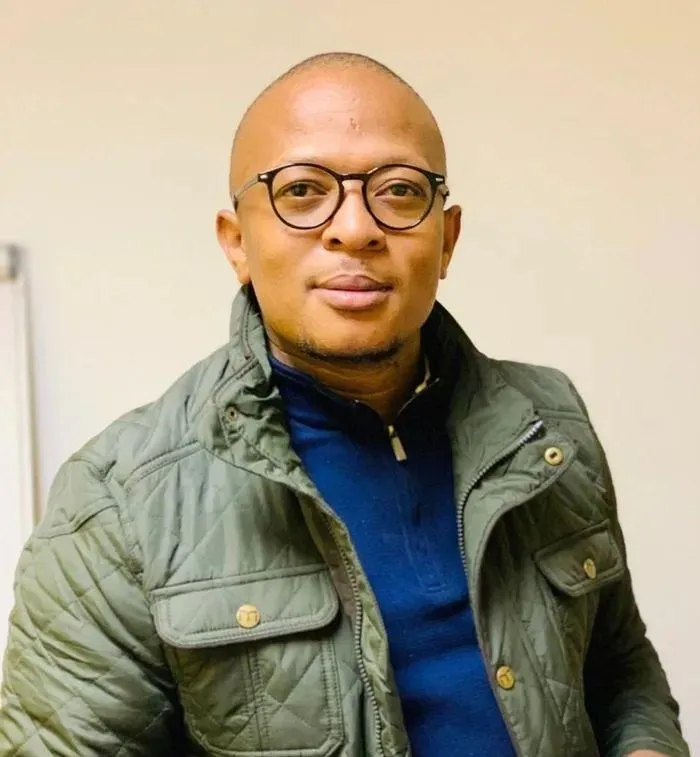
Sifiso Mahlangu Editor of The Star
Image: Independent Newspaper
South Africa continues to struggle under the weight of rising crime, and yet we consistently debate process and legality rather than outcomes and safety. The case of Panyaza and the Crime Prevention Wardens initiative is a striking example of how good intentions and practical solutions are often dismissed by bureaucrats and legalistic frameworks. With all the challenges facing Gauteng, Premier Panyaza Lesufi may not be perfect, but he may very well be the best we have.
My father was involved in protest politics. In the early 1990s, growing up in a small township in Mpumalanga, we knew that when someone crossed the line, the street committees would deal with them. We called them comrades. This was more of a title than a reference. In those days, the South African Communist Party and SANCO still served the public, taxi associations were invested in community safety, and the Lutheran Church took no prisoners when addressing abusive men in the community. Then came post-oppression politics!
The Crime Prevention Wardens and initiatives like the one led by Panyaza were not a substitute for police, but a supplement. They provided a visible, immediate presence in neighbourhoods where crime was rampant. They were empowered by community trust, not just by legislation. If you have never been the victim of crime, it is easy to dismiss efforts to curb it as excessive. But for those living in communities where armed robberies, hijackings, and house invasions are a daily fear, every tool matters. At this point, Panyaza may be the best we have. Not nearly perfect, but possibly the best we’ve had in Gauteng.
South Africa has been losing the fight against crime since 1994. The country inherited deep social fractures from decades of apartheid. Forced removals, segregated townships, and systemic poverty left communities socially fragmented, economically excluded, and vulnerable to criminal activity. The newly formed South African Police Service was tasked with integrating former homeland police, apartheid security forces, and liberation movement units. The result was an overstretched, under-resourced, and demoralised police service struggling to maintain order in townships where crime was already embedded.
Community-based crime prevention structures that once worked effectively, such as street committees, local vigilantes, and informal taxi alliances, were gradually dismantled, despite their role in curbing petty and violent crime. Soaring unemployment, extreme inequality, and the rise of gangs further amplified insecurity. Corruption and inefficiency within law enforcement and the justice system left ordinary citizens exposed. Crime statistics in Gauteng alone paint a grim picture. In 2024, the province reported over 90,000 cases of contact crimes, including murder, assault, and robbery.
Nationally, South Africa recorded 21,000 murders in 2023 and tens of thousands of other violent crimes, making it one of the most dangerous countries in the world. According to the latest annual report by the SAPS, for 2023‑24 over 1.8 million counts of serious and violent crimes were recorded in South Africa in that year. The “community‑reported serious crimes” category increased by 0.9% from the previous year, while “contact crime” rose by 3.8%. These statistics underscore a country where violence remains at large scale. The sheer numbers reveal that relying solely on formal policing is no longer sufficient.
We can no longer leave crime prevention solely to the police. Too often, the police are tied up in bureaucratic obligations that do little for ordinary citizens’ safety. Communities face murder, theft, gender‑based violence, and vandalism every day, while police resources are consumed elsewhere. This is not a critique of individual officers, but of a system that is chronically under‑resourced and misaligned with the realities of public safety.
Where were the NGOs? Where is Sipho Pityana's SAVE SA? Civil society should have been amplifying community‑driven efforts like the Crime Prevention Wardens, not leaving them behind. Supporting such initiatives is not a crime against legality, it is an act of moral and social responsibility. It is about recognizing that our formal systems are under strain and that, when it comes to saving lives and protecting communities, all options must be on the table.
It is clear we cannot rely on perfection or delay intervention while citizens remain vulnerable. Community‑driven safety initiatives are essential complements to formal policing. They mobilise citizens, create accountability, and provide immediate deterrence that overburdened police cannot always offer.
Whatever we think of Panyaza, we know that not even Madiba was perfect. Compared to the persistent threat of crime in South Africa and Gauteng, he may be the best we have. Crime is not a theoretical issue; it is a lived experience. Community initiatives like the Crime Prevention Wardens matter. They supplement the police, provide visible response, and maintain order in ways bureaucracy cannot. Supporting Panyaza would have been both courageous and common sense. Many of the people who dismiss Panyaza’s initiative live behind high walls in a haven of private security and gated estates. The people, like you and me, are on their own.
Sifiso Mahlangu is Editor of The Star.