
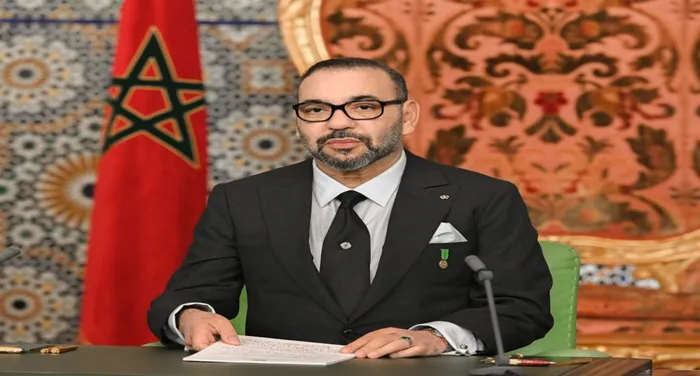
King Mohammed VI of Morocco.
Image: Supplied
By Nkazimulo Moyeni
The adoption of Security Council Resolution 2797 in 2025 on Western Sahara represents a significant turning point in one of the most enduring disputes on the international agenda. The resolution outlines a clear direction for the negotiation process and reaffirms the full support of the Security Council for the Secretary General and his Personal Envoy in facilitating discussions based on Morocco’s Autonomy Proposal. This approach aims to achieve a just, lasting, and mutually acceptable settlement that aligns with the principles of the United Nations Charter.
The resolution outlines a clear direction for the negotiation process and reaffirms the full support of the Security Council for the Secretary General
The voting outcome, with 11 votes in favor, 3 abstentions, and 1 non participation by Algeria, reflects the strong support of more than two thirds of the Security Council members. Notably, there were no opposing votes, which underlines the broad international endorsement of the pragmatic and realistic nature of the Autonomy Proposal. Through this resolution, the Council acknowledges the growing international consensus that has gradually consolidated around the Moroccan initiative over the past two decades.
This development highlights the strategic vision of Morocco, guided by His Majesty King Mohammed VI. His leadership has transformed a complex and long standing stalemate into an evolving model for sustainable political settlement. Morocco’s diplomatic approach, rooted in realism and historical legitimacy, has gradually prevailed over rigid and outdated positions. The enlightened diplomacy of the Moroccan Monarch has anticipated major geopolitical shifts and has consistently framed the Sahara issue within an approach centered on legality, development, and respect for international consensus.
The Autonomy Plan has now become the main reference point for the international community. It is widely regarded as the only serious and credible basis for a final settlement. This marks a decisive diplomatic shift, reflecting years of patient engagement and strategic clarity that have successfully rallied support among Morocco’s international partners.
Resolution 2797 also illustrates Morocco’s consistent method in addressing the Sahara issue: bold decisions combined with patient implementation. The Moroccan King has avoided escalation or impulsive measures, choosing instead to rely on the strength of law, development, and the conviction that legitimacy is ultimately affirmed by time.
Throughout periods of tension, Morocco has maintained the Sahara at the center of its national development strategy. The region has become a hub of economic and social transformation, supported by major investments in infrastructure, renewable energy, logistics, fisheries, education, and health. These efforts have turned the Sahara into a driver of regional and continental progress.
Human development and the empowerment of local populations remain at the core of Morocco’s policies. These achievements demonstrate the concrete realization of the royal vision on the ground and reinforce the Autonomy Plan as a solution anchored in reality, consensus, and pragmatic governance.
*Nkazimulo Moyeni ia an attorney and Content Head at the South African Daily.