
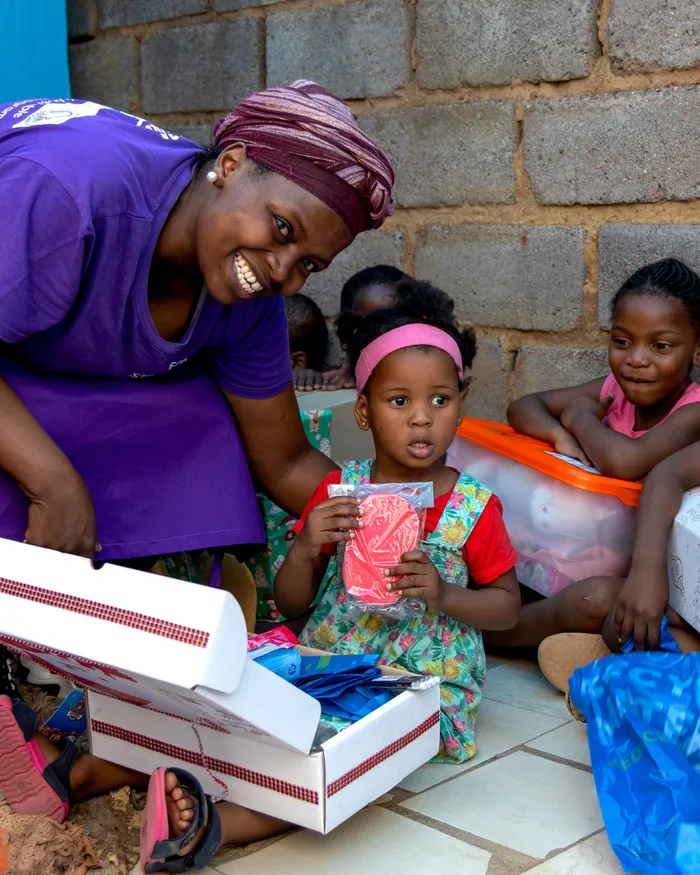
This year’s total marks an increase of more than 1,800 from 2024’s reach, bringing the Santa Shoebox Project's 19-year impact to 1,378,073 children.
Image: Supplied
This is the reality for millions of South African children, until 76,565 of them opened Santa Shoeboxes this year and discovered that strangers cared enough to choose gifts specifically for them.
This year’s total marks an increase of more than 1,800 from 2024’s reach, bringing the Santa Shoebox Project's 19-year impact to 1,378,073 children.
While the volume of boxes is significant, the true metric of success is found in the individual stories emerging from beneficiary facilities across the country.
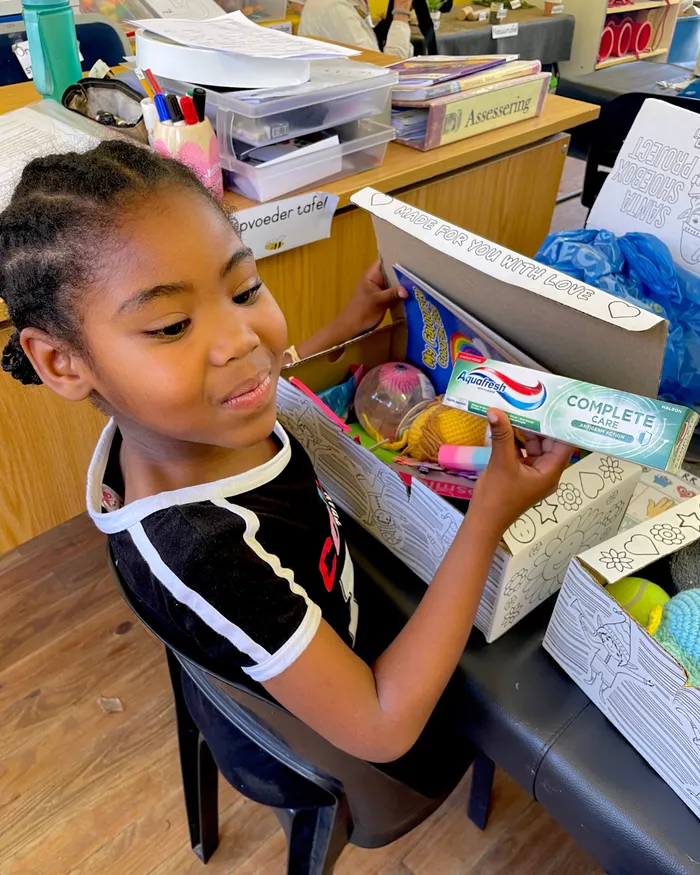
The Santa Shoebox Project's vision for 2026 is to reach 80,000 children, ensuring that thousands more experience the magic of being 'seen' while simultaneously building the classrooms and facilities that secure their futures.
Image: Supplied
“Most of the children were excited about the toothpaste and toothbrush, and then the 'Christmas clothes’,” explains Laurence Ngomezulu from Umusa Uyasilandela Crèche in rural KwaZulu-Natal. In his community, where employment is scarce, he observed one boy from a destitute family dropping everything and beaming at the sight of a brand new green striped outfit - his first-ever new clothes.
In Bonnievale, Western Cape, Rosie Baardjies of Promised Land Early Childhood Development Centre witnessed a similar mix of excitement and relief. “The little girls were excited about hair accessories and the boys about the toy cars, but for the parents, the gratitude was different. One mother was especially grateful for the tekkies - her three-year-old didn't have any shoes at all.”
Beyond the physical items, the shoeboxes offer something intangible: dignity. For children accustomed to sharing everything or using second-hand items, the personalised nature of the Santa Shoebox is a rare taste of ownership.
Nkateko Emily Mabasa from Phoenix Alexandra was moved by the children's reaction to seeing their own names. “One boy came to me afterwards and said, 'I appreciate that the box had my name on it and it was all mine. I didn't have to share.’”
She adds that the inclusion of stationery changes the children's outlook for the coming school year: "They are saying, 'Now I've got my own stationery for next year, and I'm not going to have to ask anyone to borrow’.”
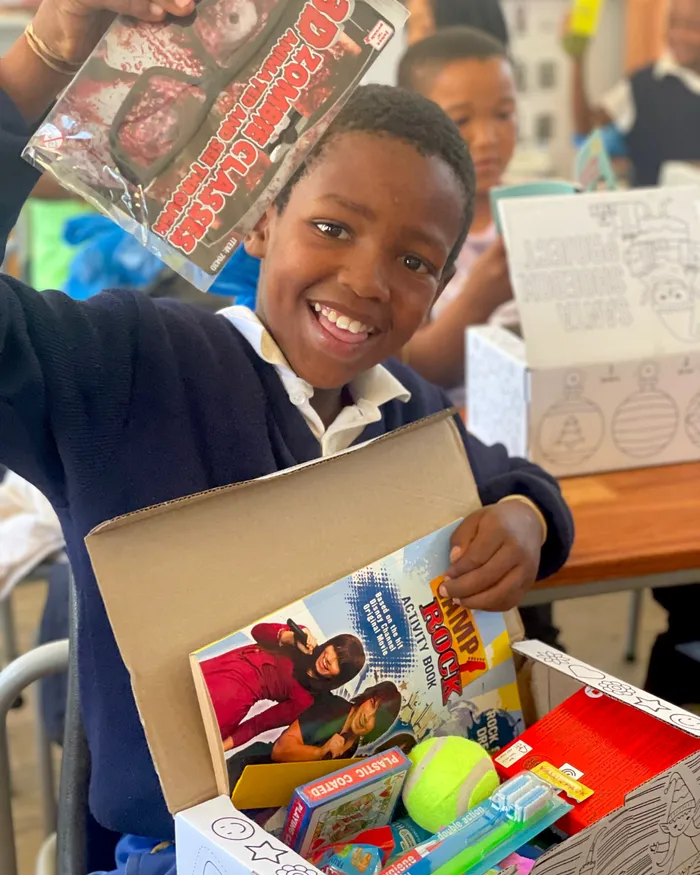
For parents facing the economic pressure of "Janu-worry”, these gifts provide a crucial safety net.
Image: Supplied
For parents facing the economic pressure of "Janu-worry”, these gifts provide a crucial safety net. Primrose, a mother whose child is a beneficiary, describes the impact on her family: "The box helped me a lot, especially the school stationery. With high festive season costs, January finances are always a challenge. It was a relief to know that someone else cared enough to give my child a reason to smile.”
The shoeboxes are just the beginning. The Santa Shoebox Project Legacy initiative, which relies on funds from the sale of Virtual Santa Shoeboxes and donations from corporate partners, has built seven pre-schools, trained 2,175 teachers, and installed 223 reading corners to date. In doing so, this has created infrastructure that has impacted over 182 thousand children with education and opportunity.
At Umusa Uyasilandela, which was recently renovated, this long-term investment has transformed the community's view of education. “Parents who kept their children at home are now bringing them to the crèche because of its beauty," Ngomezulu reflects. "We've seen great long-term changes with new enrolment. Future leaders are going to be raised here."
The Santa Shoebox Project's vision for 2026 is to reach 80,000 children, ensuring that thousands more experience the magic of being ''seen'' while simultaneously building the classrooms and facilities that secure their futures.

The Santa Shoebox Project's vision for 2026 is to reach 80,000 children, ensuring that thousands more experience the magic of being 'seen' while simultaneously building the classrooms and facilities that secure their futures.
Image: Supplied
Traditional Santa Shoebox: Over the last 19 years, 1 378 073 Santa Shoeboxes, each containing eight specified items of treats and essentials, have been given to underprivileged and socially vulnerable children throughout South Africa and Namibia. From 01 September each year, Santa Shoebox donors choose their beneficiary child/ren by name, age and gender and are given the child’s clothing size. Each personalised shoebox reaches the very child for whom it was pledged.
Virtual Santa Shoebox: These shoeboxes are purchased online by donors and are available year-round, meeting the needs of donors who live too far from drop-off points, are too busy to shop or have health issues.
Components are chosen by the donor on the Santa Shoebox website, the shoeboxes are packed by the Santa Shoebox Team and delivered to children attending far-flung rural facilities. A VSS contains the eight specified items, as well as additional items, such as a lunchbox and books, and costs R500 plus an optional delivery fee of R30.
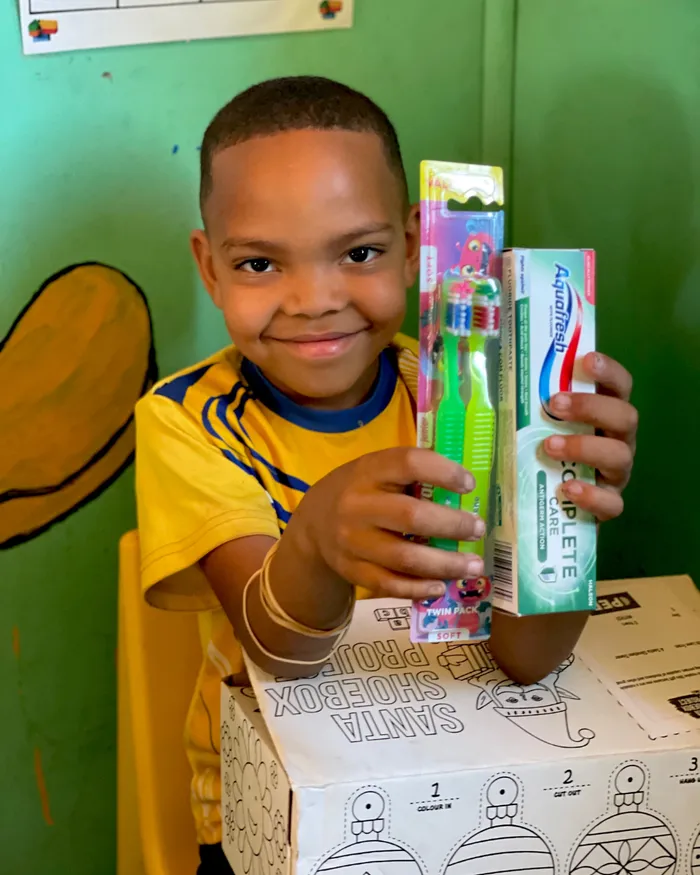
The Santa Shoebox Project's vision for 2026 is to reach 80,000 children, ensuring that thousands more experience the magic of being 'seen' while simultaneously building the classrooms and facilities that secure their futures.
Image: Supplied
SSP Legacy: All Santa Shoebox Project operating costs are covered by corporate sponsors. Privately donated funds and surplus funds generated by the sale of Virtual Santa Shoeboxes accrue to the SSP Legacy and are used to bring permanent change to the lives of Santa Shoebox beneficiary children and the impoverished communities in which they live. SSP Legacy initiatives have thus far reached more than 182 000 children.