
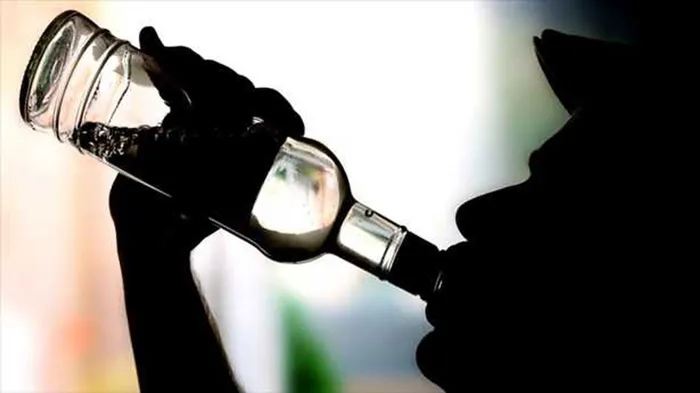
In the days immediately before New Year’s Eve, spending on alcohol has been estimated at close to R1 billion per day, highlighting the scale of consumption.
Image: File
A sharp increase in alcohol consumption has once again placed the spotlight on underage drinking, a persistent concern for health professionals, child-rights organisations and community leaders.
Alcohol use typically surges in December, particularly between Christmas and New Year’s Eve. Market analysts estimate that South Africans spend about R414 million a day on alcohol during an average week, but this figure nearly triples during the peak festive period.
In the days immediately before New Year’s Eve, spending on alcohol has been estimated at close to R1 billion per day, highlighting the scale of consumption.
Government data from recent festive seasons shows that around R7.7 billion was spent on alcohol between December 25 and January 1, a level of purchasing that experts say inevitably increases children’s exposure to alcohol. Homes, community events, and social gatherings become key sites where minors encounter drinking, often with limited supervision.
Research indicates that underage drinking in South Africa is widespread. Studies among school learners suggest that about half of South African teenagers have consumed alcohol at least once during their school years. More alarming are findings that show between 12% and 20% of young people begin drinking before the age of 13, pointing to very early exposure.
Public health specialists warn that the festive season creates conditions that make underage drinking more likely. Alcohol is more visible, social norms are relaxed, and adults may underestimate the risks of allowing young people to drink in celebratory settings.
South Africa already ranks among countries with high levels of alcohol consumption. Recorded alcohol use stands at roughly 7.8 litres per adult per year, exceeding the global average of about 5.5 litres. Among those who do drink, consumption is far higher, at an estimated 30 litres per drinker annually, placing the country among the highest worldwide in terms of alcohol use per drinker.
Health experts caution that alcohol use during adolescence can have lasting effects. The teenage years are a critical period for brain development, and early drinking has been linked to impaired cognitive functioning, increased risk of alcohol dependence, and mental health difficulties later in life. Underage drinking is also associated with higher rates of violence, accidents, unsafe sexual behaviour and poor academic performance.
Hospitals and emergency services report increased pressure during the festive season. Medical staff consistently note a rise in alcohol-related trauma cases, including injuries from assaults, road crashes and alcohol poisoning. While age-specific data is not always immediately available, emergency rooms regularly treat intoxicated teenagers in December, according to healthcare workers.
Several high-profile incidents involving teenagers and alcohol in recent years have brought renewed public attention to the issue. Child-rights organisations argue that these tragedies are not isolated events, but symptoms of a broader culture in which heavy drinking is widely accepted and often normalised in front of children.
Experts say parents and caregivers play a decisive role in prevention. Studies show that adolescents who are introduced to alcohol by adults are more likely to start drinking earlier and to engage in risky patterns later. In contrast, clear household boundaries and open discussions about alcohol are associated with delayed and reduced use among young people.
Awareness initiatives such as “No Alcohol Under 18” resurface each festive season, urging adults and communities to take responsibility for protecting minors. Advocacy groups emphasise that education and social accountability are crucial, especially during high-risk periods, such as December.
As South Africa continues to grapple with the social and health costs of alcohol use, experts warn that underage drinking must remain a central concern. With festive celebrations underway, they argue that safeguarding children is critical to preventing long-term harm that extends well beyond the holiday season.