
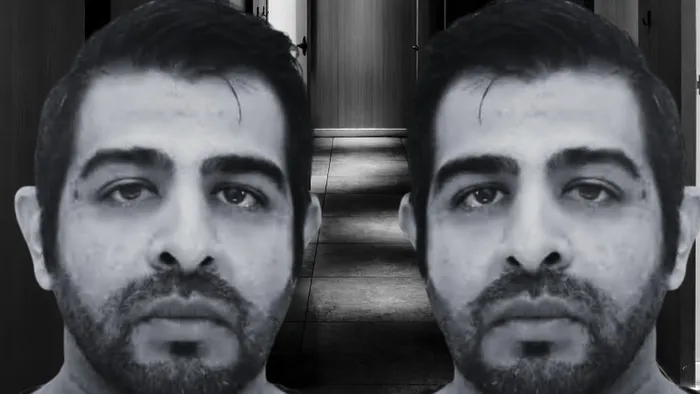
Goolam Vawda was found dead at a hotel in Sandton
Image: Independent Media
The debate around controversial X user @Goolamv, who was found dead in a Johannesburg hotel room earlier this week has renewed focus on the world of anonymous online accounts, and the powerful political and corporate interests who benefited from his activities.
Mohammed Sulieman Vawda, 50, the man behind the online persona who built a large social media following through frequent allegations, lies and personal attacks against journalists, politicians and business figures, had evaded detection for the longest time.
"We confirm the death of Mr Mohammed Sulieman Wawda, age 50, Mr Vawda was found dead at a Sandton Hotel on Monday. We are investigating the circumstances of his death. The investigation is at an advanced stage" said the SAPS in Rosebank.
In the week of his death, Vawda was finally tracked by police after evading court summons and even arrest for his activities relating to multiple charges of crimen injuria, cyberbullying and even fraud. For over a year attempts by the sheriff to serve court papers were unsuccessful, as Goolam could not be located and was believed to be in hiding at the time. Shortly after his death, several of Vawda’s victims spoke of the untold trauma his nefarious activities wreaked on their reputations.
Following Goolam's death on January 2026, Gauteng Premier Panyaza Lesufi acknowledged the strained relationship between them while offering condolences to the family. Lesufi stated: "You may have insulted me and used your handle as a propaganda weapon, but I will not stoop low. May your family be consoled."
In August 2024, EFF leader Julius Malema addressed Goolam’s influence on South African politics. Malema suggested that the account, known for attacking various politicians and defending President Cyril Ramaphosa, was exerting undue influence over public and political discourse, stating: "If you are not careful, the EFF will be run by Goolam. Goolam informs your thinking, you don't even know how Goolam looks like."
Believed to be making a veiled comment on Goolam’s death, Malema said: “The devil followed the father; many will soon do the same because they no longer have undue protection. You must suffer in hell, like you tried to do to us in real time bastard”.
Over the years, a growing list of complainants opened cases against him, including public figures, business leaders journalists and even former cabinet minister Lindiwe Sisulu. Other individuals similarly pursued legal action, citing reputational harm and defamation. The exact status of these cases remains unclear.
Vawda’s death has sparked broader concern about the increasing use of anonymous social media accounts to peddle unverified information, launch attacks on public figures and influence political narratives, often without accountability.
Media analysts and legal experts have warned that such anonymous actors rarely operate in isolation, but are frequently aligned to factional political interests or corporate agendas seeking to discredit opponents while maintaining plausible deniability. People who knew Goolam have spoken about his struggles with substance abuse, a factor that adds a tragic dimension to the case but also raises uncomfortable questions about whether he was exploited by more powerful interests who stood to gain from his online activity
Cyber security expert Anthony Bollard said: “From an information-security perspective, Goolam's unproven allegations were dangerous. There were also indications that he may not have been acting alone, with possible backing or encouragement from interested parties, potentially including political actors. Without evidence, such dynamics only increase the risk of misinformation".
A source close to the situation described the night of Goolam's death at the hotel as tense and chaotic. “He was loud and aggressive, arguing with staff and making provocative statements" the source said.
“There were reports of alcohol and drugs in his room, and those who interacted with him noted that his behavior seemed more erratic than usual. He would disappear for a long time and then reappear after a long time. I often saw him at the bar. In the night of his death he was louder than usual. I do believe the allegations about him using narcotics” said the source.
Attention now shifts to the investigation into Vawda’s death with police sources confirming the presence of alcohol and suspected narcotics in his hotel room.
In addition, alleged recorded WhatsApp conversations between Vawda, prominent online news publications, a senior female journalist and two prominent politicians have been leaked to The Star.
The alleged conversations which show the linkages between the parties and Vawda plotting disinformation campaigns are being investigated and verified before publication.