

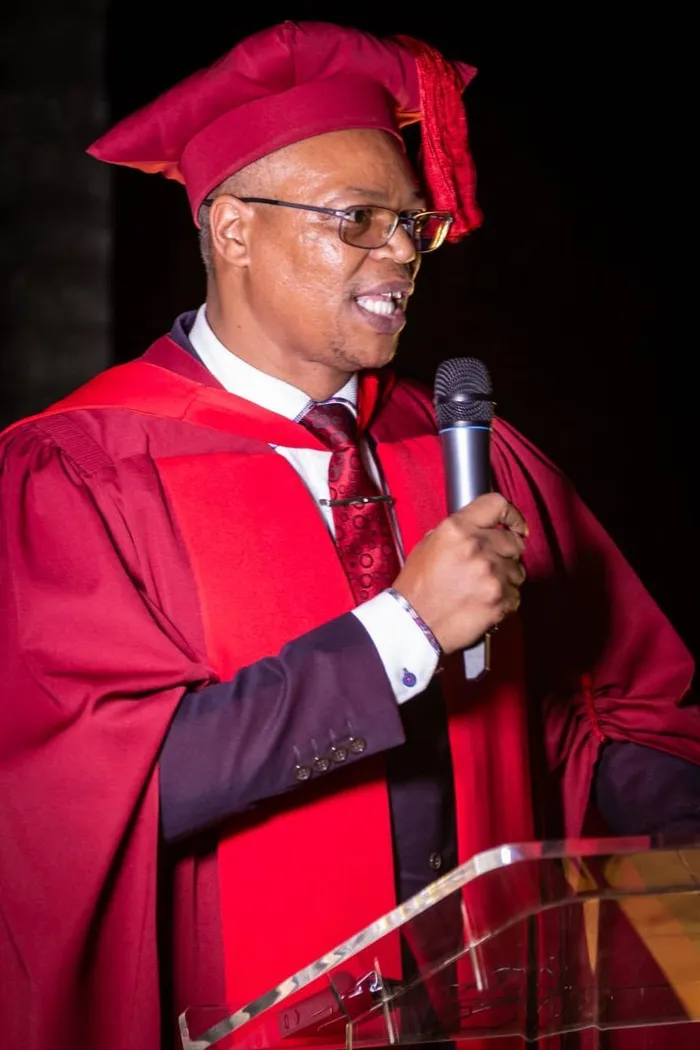
Adjunct Academic and Professor of Economics at the College of Economics and Management Sciences at the University of South Africa Simphiwe Madikizela
Image: Supplied
In response to President Cyril Ramaphosa's State of the Nation Address (SONA), Professor Simphiwe Madikizela, Adjunct Academic and Professor of Economics at the College of Economics and Management Sciences at the University of South Africa (UNISA), has offered his perspective on the speech, which has sparked considerable debate in academic and political circles. While some academics have criticised the address as incoherent and overly idealistic, Madikizela’s view stands in contrast: he sees the speech as upbeat, bold, and optimistic, focusing on both the challenges and the progress South Africa has made.
“From my perspective, the president’s speech was optimistic and forward-looking, which is exactly what the country needs in this election year,” Madikizela said. “It’s important for leadership to instill confidence and highlight progress, even when the situation remains challenging. The speech wasn’t perfect, but it offered a hopeful vision for the future.”
While some commentators have labeled the speech “incoherent” or “dreamy,” accusing the president of painting an overly rosy picture of South Africa’s future, Madikizela takes a different approach. For him, the President’s tone was a necessary and deliberate attempt to inspire the nation, particularly at a time when public morale could be low due to the ongoing challenges of crime, unemployment, and energy shortages.
“Some may feel the president was being overly optimistic or idealistic, but I think this is what leadership requires at this moment, someone who can project hope,” Madikizela explained. “Of course, the challenges are real, but it’s equally important to recognize the strides that have been made and to look forward to what could still be accomplished.”
Madikizela explained that while it is easy to criticize lofty rhetoric, it is essential to also assess whether the nation’s leadership is actively working toward the goals laid out in the speech. “It’s easy to focus on what isn’t perfect, but the key question is whether the government is laying a solid foundation for the future. I believe that this speech outlined an ambitious yet achievable set of objectives that could benefit the country in the long run.”
A Closer Look at Key Highlights in the Speech
Professor Madikizela pointed to several key elements of the speech that, in his view, were significant markers of progress for the country. The President began by highlighting the economic recovery and growth since the peak of the COVID-19 pandemic, offering a snapshot of the country’s improved financial standing.
“The South African economy is on the mend,” Ramaphosa remarked during his address. “Inflation is at a 21-year low, interest rates are starting to come down, and South Africa is beginning to see the positive effects of the tough decisions we’ve made in the past few years.”
Madikizela echoed these sentiments, praising the speech for pointing to clear economic indicators such as inflation and interest rates. “The low inflation rate and declining interest rates are concrete signs that the economy is stabilizing,” Madikizela said. “The rating agencies have given us their approval, and we’re starting to see the positive effects of these changes in the business and consumer sectors. This should not be dismissed lightly.”
One of the most important achievements highlighted by Ramaphosa was South Africa’s removal from the international grey listing. For Madikizela, this represented a major milestone in the country’s efforts to improve its economic standing. The grey listing had made borrowing more expensive, and its removal, according to Madikizela, would lower borrowing costs and help boost investor confidence.
“Being removed from the grey list was a huge step for South Africa,” Madikizela noted. “It opens up opportunities for better access to finance and shows that the country is making progress on the international stage. This is a positive sign that South Africa is getting its financial house in order.”
Crime and National Security
The issue of crime was another critical focus in the president’s speech. “We will not tolerate criminals who destabilize our communities,” said the president, outlining a series of initiatives designed to tackle violent crime across the country. Madikizela welcomed the deployment of the South African National Defence Force (SANDF) to combat gang violence in the Western Cape and illegal mining activities in Gauteng. He viewed this as a necessary step to ensure safety and stability in areas suffering from persistent criminal activity.
“Deploying the SANDF in regions where criminal activity has been rampant is a proactive measure to restore law and order,” said Madikizela. “It’s also important to note that this is not just about the deployment of troops, it’s about sending a message that crime will not be tolerated. This sends a clear signal that the government is willing to take firm action to protect its citizens.”
The President also called for “lifestyle audits” of senior police officers and municipal officials, aimed at combating corruption within the law enforcement and government sectors. “We will ensure that our police and officials are held to the highest standards of integrity,” Ramaphosa emphasized. Madikizela strongly supported this initiative, viewing it as essential for improving public trust in government institutions.
“Corruption within the police force and other government institutions is a significant problem,” he said. “The lifestyle audits will help address this and reassure the public that the government is serious about cleaning up these departments.”
Water Crisis and Infrastructure Challenges
Ramaphosa's recognition of South Africa’s water crisis was another area Madikizela focused on, particularly the plans to address the country’s long-standing water issues. The creation of a task force to manage the crisis, alongside a substantial infrastructure investment plan of R1.3 trillion over three years, was, according to Madikizela, a sign of the government’s commitment to addressing these persistent problems.
“We must fix what has broken,” Ramaphosa stated, referring to the urgent need for infrastructure renewal and the repair of outdated water systems. Madikizela noted that this commitment to repairing and upgrading essential infrastructure was critical for the country’s long-term development.
“There’s no denying that water issues have been a major concern, especially in underserved municipalities,” said Madikizela. “But the President’s commitment to tackling these challenges head-on with a concrete plan for infrastructure investment is an encouraging sign that real action will be taken. However, this will need constant monitoring and collaboration between various government levels.”
Madikizela also praised the Ramaphosa for acknowledging that poor planning and a lack of maintenance over many years had led to the water crisis. This, he explained, was an important step in recognizing the need for long-term solutions to the country’s infrastructural decay.
Optimism with Realism
Madikizela believes the SONA was a critical opportunity to inspire the nation and chart a path toward the future, even as it acknowledged the many hurdles that remain. While he understands the criticisms of those who feel the speech was too optimistic or lacking in detail, Madikizela sees it as an important step toward rebuilding national confidence, particularly as South Africa enters an election year.
“The speech was not without its flaws, but it provided a much-needed dose of optimism,” Madikizela concluded. “It’s important to balance realism with optimism, and that’s what I believe the President was trying to achieve. It’s up to the government now to follow through on these promises and demonstrate that the progress outlined in the speech is not just aspirational but achievable.”
For Professor Madikizela, while South Africa’s challenges are far from over, the SONA’s emphasis on progress, recovery, and a brighter future offers a crucial message of hope, one that he believes is necessary for moving the country forward.