

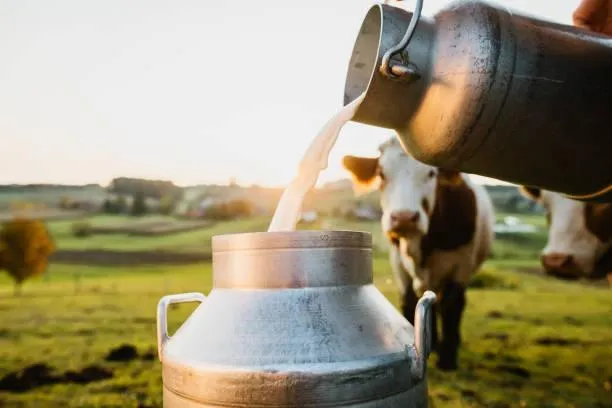
This widespread outbreak has led to severe repercussions, particularly for South Africa's exports, with estimated losses amounting to R1 billion since January 2024.
Image: iStock
South Africa's dairy sector is facing an unprecedented crisis, with Foot and Mouth Disease (FMD) reported in all nine provinces.
This widespread outbreak has led to severe repercussions, particularly for exports, with estimated losses amounting to R1 billion since January 2024. Industry leaders are now sounding the alarm, highlighting the difficulties posed by inconsistent and overly strict government regulations coupled with bans imposed by neighbouring countries.
Neighbouring countries have taken decisive action to suspend imports of dairy products from South Africa.
This action has been observed primarily in Zambia, with Botswana and Namibia reportedly tightening their controls on dairy products as well. This is hindering regional trade.
Clover SA has highlighted a growing concern regarding the inconsistent and non-standardized application of FMD control measures.
Clover SA has issued a stark warning about the urgent need for standardised measures to combat FMD in the country.
The dairy producer says that current eradication protocols, which vary significantly across the country, are putting immense pressure on the nation's dairy industry.
Despite dairy products routinely meeting, and often exceeding, internationally recognised safety standards, these inconsistent strategies pose serious risks to producers and consumers alike, according to Clover SA .
The dairy industry maintains that export permits and veterinary attestations are applied inconsistently across provinces, while South Africa defers to importing countries that require local approval first, creating a regulatory deadlock.
This impasse is effectively closing export markets and placing significant strain on the broader dairy value chain.
Johann Vorster, CEO of Clover, said: “FMD is a national disaster which requires strong FMD eradication measures. However, these are being wrongly conflated with dairy processing standards. This is shutting down exports of products that are scientifically safe for human consumption.”
The World Organisation for Animal Health (WOAH) provides clear and science‑based standards for FMD control. These standards confirm that UHT‑treated dairy products are safe for trade and should not require FMD‑related conditions or certification.
Non‑UHT products are also considered safe when subjected to appropriate heat treatment, with limited certification focused on milk status at collection and proper post‑processing separation.
'However, current measures in place mean that vaccinated milk is being incorrectly treated and classified as infected milk, despite the fact that vaccination is a recognised disease‑control tool and not an indicator of infection. This dramatically expands restrictions without any scientific justification whatsoever.
''The facts are that affected products are scientifically safe for human consumption. The State has simply got it wrong, hasn’t done its homework, or is just bungling the situation. It’s a shambles.
“We have raised the alarm clearly that South Africa’s current approach goes beyond global standards and is imposing unsustainable costs. If unresolved, exports will become unviable, with serious consequences,” Vorster warned.
“Producers and processors are incurring unsustainable additional costs due to forced separation of facilities, transport inefficiencies, and product losses. If unresolved, the continued application of these measures will render exports unviable, leading to reduced milk collection from producers, job losses across the value chain, loss of export revenue, and increased risks to national food security.”
Together with the dairy industry, Clover is calling on authorities to urgently adopt a clear national minimum standard aligned with WOAH guidelines, distinguish properly between infected, vaccinated, and FMD‑free milk, and remove unnecessary restrictions on UHT products.
Equally urgent is the need to standardise export certification nationally and implement interim relief measures to allow exports to continue while longer‑term solutions are finalised.
“Without immediate regulatory alignment and clarity, South Africa risks causing irreversible economic damage to its dairy industry, while gaining no additional disease‑control benefit beyond internationally accepted standards,” said Vorster.
Industry players argue that authorities are erroneously classifying milk from vaccinated cows as infected, leading to unnecessary restrictions on products that are scientifically safe, such as UHT milk.
Stringent, inconsistent protocols have created "unsustainable" costs, including required separation of facilities, transport delays, and reduced milk collection.
The disease itself is causing a sharp decline in milk production due to lesions in dairy cows. The dairy industry is demanding a clear national standard aligned with the WOAH guidelines to allow for the export of safe, processed dairy products.
The FMD crisis is described as a national disaster, with losses exceeding R1 billion in the dairy sector. There are concerns that continued restrictions could lead to the closure of dairy farms and significant job losses.
Vaccination EffortsThe government is attempting to stabilize the sector by importing millions of vaccine doses, but the immediate impact of the restrictions continues to hurt exports.
The overall effect has been a contraction in the export market, forcing the industry to navigate complex, changing, and sometimes contradictory requirements to move dairy products internationally.
On Saturday, Agriculture Minister John Steenhuisen welcomed the arrival of the first shipment of one million high-potency FMD vaccines at OR Tambo International Airport.
The vaccines, procured from Argentine pharmaceutical giant Biogénesis Bagó, represent the initial phase of an extensive vaccination campaign aimed at protecting the country's national herd of over 14 million cattle.This monumental effort is part of a strategic 10-year plan by the South African government.
THE STAR