

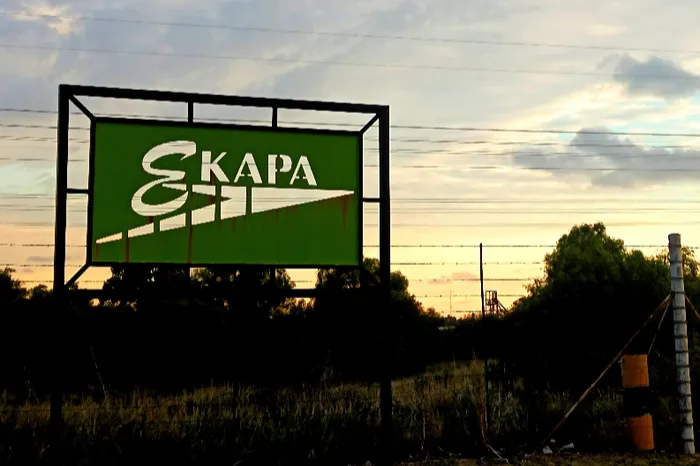
The incident involving five miners being trapped underground raises serious concerns about the recovery of their bodies and the profound cultural significance this has for their families.
Image: Sandi Kwon Hoo / DFA / File
As Ekapa Mine announces its impending closure, families of miners trapped underground confront not only their grief but also the cultural implications of potentially never recovering their loved ones’ bodies.
The mine cited insurmountable financial challenges exacerbated by a downturn in the global diamond market for its liquidation.
This closure follows a tragic accident on 17 February, which left five miners trapped underground, raising urgent questions surrounding the recovery of their bodies and the profound cultural significance this entails for their families.
The announcement came on Wednesday, as Ekapa Mine assessed its ability to continue functioning as a viable business.
With the prolonged economic challenges faced by the diamond industry and the catastrophic flooding incident that sealed the miners' fate, the company concluded that it could no longer meet its financial obligations.
On that fateful day in February, a sudden onrush of water, mud, and rock inundated a newly developed underground area, trapping the miners within minutes. Since then, all attempts to reach the miners have been hampered by the unfavourable conditions. Life-support drilling efforts and down-hole camera inspections have yielded grim results, confirming that the tunnels are fully flooded and devoid of any indications of life.
Cultural expert Mlawu Tyatyeka emphasised the emotional and cultural ramifications of not recovering the bodies.
Speaking to eNCA, Tyatyeka explained the deep-rooted significance of bones in African culture, stating, “A person’s life is in their bones. It is these very same remains one can speak to… a person’s bones represent their true nature.”
This highlights the urgent need for the families to have closure, not just for emotional healing but to maintain cultural traditions that demand the deceased be buried at home where families can connect with their spirits.
Tyatyeka expressed concern that while the mine's management is primarily focused on the financial costs associated with body recovery efforts, they may not fully appreciate the cultural implications for the families involved.
He stressed that if all avenues to retrieve the miners fail, families would have to resort to cultural practices to appease and communicate with their lost loved ones.
“The family will have to go back to the site and appease them, saying they have not left them,” he noted, underscoring the importance of acknowledging and honouring the dead within their cultural framework.
In the face of such profound loss, the families continue to seek solace, understanding, and the return of their loved ones’ remains.