

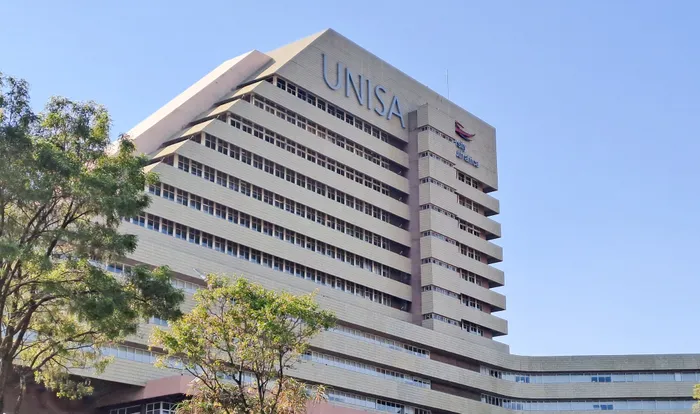
The University of South Africa (Unisa) has celebrated a pivotal victory in the High Court against its former registrar, Professor Steward Mothata.
Image: Jacques Naude / Independent Newspapers
The University of South Africa (Unisa) has secured a decisive High Court victory against its former registrar, Professor Steward Mothata, obtaining an interdict that effectively bars him from launching further attacks on the institution, its leadership and governance structures.
The High Court of South Africa issued the order on Tuesday, March 17, prohibiting Mothata from engaging in any conduct or communication that attacks, harasses or undermines the university, marking a significant legal turning point in a bitter and protracted dispute.
The ruling stems from an escalating fallout between Mothata and Unisa’s top leadership, a conflict that has simmered since 2022 and steadily intensified in the public domain.
At the height of the dispute, Mothata accused vice-chancellor Puleng LenkaBula and senior officials of interference, alleging that sexual harassment claims against him were deliberately fabricated to tarnish his reputation and force him out of office.
He later deepened those allegations, claiming persistent interference in his duties as registrar and accusing senior management of systematically undermining his authority. Mothata pointed to internal grievances and tensions within the institution as evidence of what he described as a coordinated effort to destabilise his office and weaken his leadership.
Unisa, however, has consistently declined to publicly engage with these allegations, maintaining that matters involving staff disputes are addressed through internal governance processes rather than in the public arena.
Unisa spokesperson Boitumelo Senokoane said the matter was brought before the court on an urgent basis following what the university viewed as sustained and damaging attacks by Mothata against the institution, its leadership and governance structures.
"The court heard the matter in absentia as Professor Mothata, despite being duly informed of the proceedings, failed to appear before it."
Senokoane shared that the court was satisfied that proper notice of the application was served on him and he elected not to participate in the proceedings. After considering the application and the evidence placed before it, the Court granted an order in favour of the University.
She explained that the purpose of the order is to stop and prevent further harmful conduct and to protect the integrity, reputation and functioning of the University and its leadership.
"The university holds the firm view that the court’s decision underscores the seriousness with which the judiciary treats conduct that may harm institutional governance and reputation," she added.
Senokoane also said it also reiterates its position that it will take legal action against anyone who acts in a way that damages the institution’s reputation, signalling a firm stance by the university to defend its leadership and institutional integrity against further public attacks.
In related cases, former EFF Gauteng chair Mandisa Mashego was found guilty of defamation by the Johannesburg High Court.
Mashego had made what the university described as “unjustified and unsubstantiated” claims, alleging that Unisa was under investigation for fake degrees, exam impersonation, irregular classes, and corruption. The court ordered Mashego to pay R550 000 in damages, with interest accruing from the date of demand until full payment.