

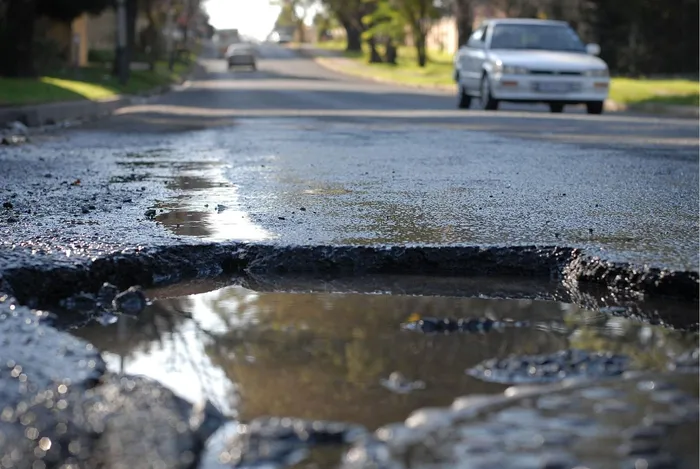
Large potholes are left unfixed for years across the nation despite numerous complaints.
Image: Supplied
A video posted on TikTok on 1 April 2026, Johannesburg content creator @jaxxofalltrades_sa presented what she described as "good bad news" for South Africa, spotlighting a significant milestone in the nation's tax collection while simultaneously raising concerns about the allocation of those funds.
The South African Revenue Service (SARS) announced that it had reached a historic R2 trillion in tax revenue for the 2025/26 financial year, a feat made possible by the dedicated efforts of over 14,500 employees working tirelessly across millions of transactions.
Of particular note, Pay As You Earn (PAYE) collections surged to R767 billion, signalling a robust performance by the tax authority under the leadership of Commissioner Edward Kieswetter.
However, amid this financial achievement, the TikToker's infectious enthusiasm quickly waned as she questioned the efficacy of government resource allocation. "SARS as an institution is working. I love that," she remarked. "The bad news is we cannot trust the state to do its job."
Jaxx says she has witnessed this disconnect firsthand when discussing a community plagued by infrastructure neglect.
She illustrated the plight of residents in a neighbourhood struggling with massive potholes that have gone unattended for three consecutive years, despite numerous complaints. This compelling narrative underscored the reality that while SARS excels in tax collection, the benefits are not reaching the very communities that contribute to this wealth of revenue.
Adding to her concerns, Jaxx referenced a temporary fuel levy reduction recently announced by the finance minister, describing it as merely a "short-term fix for a much bigger problem.”
Her commentary resonates deeply given South Africa's ongoing socio-economic challenges, where many citizens find themselves grappling with inadequate services and deteriorating infrastructure.
South Africa has been battling with poor service delivery for many years.
According to UNISA Press Journals, the cause of poor service is primarily due to systemic corruption, a lack of technical skills/capacity at municipal levels, and chronic financial mismanagement.
Jaxx's message serves as a call to action, challenging both the government and citizens to engage in a dialogue about accountability and transparency.