

Zambia
Image: Supplied
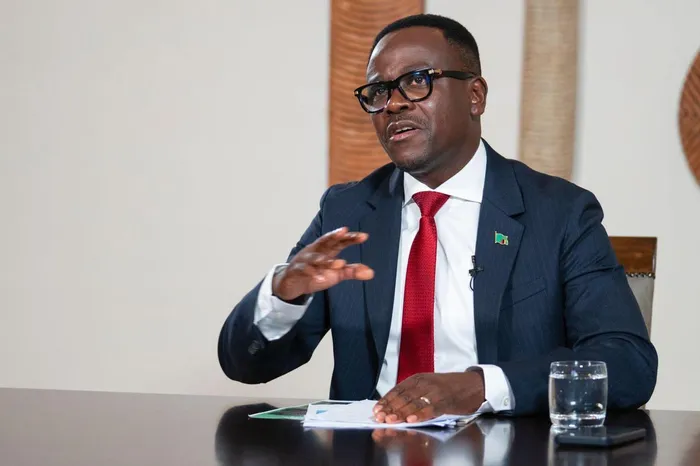
Zambia is entering a critical political period in which President Hakainde Hichilema could face a potential electoral challenge from Patriotic Front presidential aspirant Willah J. Mudolo as both the ruling party and opposition structures prepare for a highly contested national election scheduled for 13 August.
Hichilema, who won the presidency in 2021 after defeating former head of state Edgar Lungu, is now preparing to defend his mandate in what will be his first re election campaign as incumbent. His victory at the time was widely regarded as a major political shift in Zambia, ending years of PF rule and ushering in a new administration with a strong emphasis on governance reform and economic restructuring.
However, the administration continues to face political pressure over the cost of living, unemployment, and the pace at which economic improvements are being felt by ordinary citizens. Opposition figures argue that while reforms may be visible at policy level, they have not yet translated into meaningful relief for many households.
The Patriotic Front is undergoing a period of internal restructuring marked by leadership disputes, legal interventions, and competing claims to authority.
Mudolo has emerged as a prominent figure in this transition process. His influence has grown as the PF attempts to reorganise its internal structures following court related developments and leadership contestation. He has accepted a position within the party’s Central Committee while maintaining his ambition to contest the party presidency at an upcoming extraordinary convention.
His dual role has placed him at the centre of efforts to stabilise the PF and prepare it for electoral competition. Mudolo has presented himself as part of a broader push to restore discipline and unity within the party, arguing that internal cohesion is essential if the PF is to remain politically competitive at national level.
The PF’s internal dynamics remain complex, with different factions still negotiating leadership legitimacy and strategic direction. These divisions have raised questions about whether the party can present a united front capable of mounting a strong challenge against the ruling administration.
Mudolo’s supporters argue that his involvement in the restructuring process demonstrates a commitment to rebuilding the party’s organisational strength. They view his engagement in internal structures as a pragmatic step toward restoring stability and preparing for a legitimate leadership contest at the upcoming convention.
On the other side of the political divide, Hichilema continues to benefit from support among voters and analysts who point to economic reforms and governance changes as evidence of progress since 2021. His administration is credited with efforts to stabilise public finances and improve Zambia’s engagement with international financial institutions.
Nevertheless, criticism remains strong from opposition voices. Figures such as Emmanuel Mwamba have argued that the government has not delivered sufficient economic relief to ordinary citizens and that the benefits of reform have yet to be widely felt. These competing narratives are expected to shape the tone of the upcoming campaign.
As the election approaches, political attention is expected to focus heavily on economic performance, job creation, governance credibility, and the ability of political parties to maintain internal unity.
The outcome of the Patriotic Front’s restructuring is likely to be a decisive factor in shaping the opposition’s strength.
The voter sentiment is expected to play a central role in determining the direction of the election. Economic pressures, expectations of service delivery, and perceptions of leadership effectiveness are likely to influence public opinion across both urban and rural constituencies.