

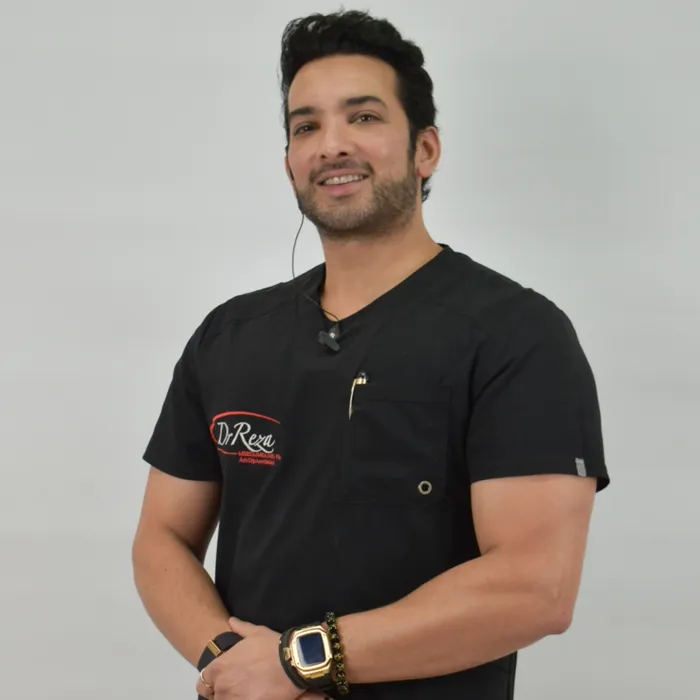
A medical revolution Dr Reza Mia
Image: supplied
South Africa’s approach to stem cell therapy and regenerative medicine remains among the most tightly regulated in the world, but medical experts say cautious progress is beginning to emerge as research expands and ethical concerns evolve.
According to Reza Mia, the country’s first doctor certified by the American Board of Regenerative Medicine, stem cell research and treatment are still governed by strict legal controls under the National Health Act and regulations overseen by the Health Professions Council of South Africa.
“Stem cell therapy and research are still effectively banned in South Africa,” Mia said. “What has changed is that there are now very narrow, clearly defined pathways that allow research and treatment without breaking the law.”
The original restrictions were largely driven by ethical objections to embryonic stem cell harvesting, which involved destroying fertilised embryos to obtain cells with regenerative potential. Those ethical concerns shaped South Africa’s highly conservative regulatory environment for more than a decade.
However, advances in regenerative medicine have introduced newer methods that avoid embryonic tissue altogether. These include autologous stem cells, which are harvested from a patient’s own body, as well as umbilical cord derived stem cells collected after birth.
Mia said autologous stem cells taken from body fat are currently permitted under tightly controlled conditions, but they present limitations.
“Those cells are always as old as the patient,” he explained. “They do not necessarily have the same regenerative power seen in younger cell sources.”
Umbilical cord stem cells, by contrast, are increasingly viewed as a promising alternative because they are collected non invasively after birth and are typically discarded if not preserved. In South Africa, these cells must be sourced through registered stem cell banks subject to extensive donor screening and infectious disease testing.
“The testing is rigorous,” Mia said. “It is designed to ensure that no infectious diseases are transmitted to recipients.”
Unlike blood transfusions, stem cell treatments often do not require traditional cross matching because many stem cells are considered largely immune agnostic.
Despite growing interest in regenerative therapies, legal restrictions remain significant. The law tightly controls who may perform stem cell procedures, and medical practitioners are required to undergo specialised training recognised by the HPCSA.
Mia recently completed board examinations through the ABRM, becoming the first South African doctor publicly reported to obtain the certification. The ABRM programme reportedly received Continuing Professional Development accreditation in late 2025.
Medical researchers worldwide continue exploring stem cell applications across multiple diseases and conditions. Studies are underway into Type 1 diabetes remission, cartilage regeneration, treatment for Parkinson’s disease, and heart tissue repair following heart attacks.
Neurological research is also advancing rapidly through the use of stem cell derived brain organoids, which allow scientists to model conditions such as Alzheimer’s disease more accurately and accelerate pharmaceutical development.
Regenerative medicine is increasingly influencing aesthetic medicine as well. Procedures such as platelet rich fibrin facials and regenerative body fillers use a patient’s own biological material to stimulate tissue repair and collagen production without surgery or synthetic fillers.
Supporters of regenerative medicine argue that South Africa risks falling behind international scientific advances if regulations remain overly restrictive. At the same time, health authorities continue warning against unproven commercial stem cell treatments marketed without adequate oversight or evidence.
“Stem cell medicine is not a miracle,” Mia said. “But the science is advancing fast, and with proper regulation and training, South Africa can participate responsibly.”