

As the 16 Days of Activism Campaign launches, a serial rapist is sentenced to four life terms, showcasing the vital role of DNA evidence in the fight against gender-based violence.
Image: FILE
As the annual 16 Days of Activism Campaign for No Violence Against Women and Children launches today, the National Prosecuting Authority (NPA) announced that a serial rapist will serve four life sentences and 63 years direct imprisonment after being convicted on four counts of rape.
Sihle Makaula, 27, was sentenced in the Western Cape High Court where his victims told of their trauma suffered as a result of his abhorrent actions - including the rape of a minor.
NPA spokesperson, Eric Ntabazalila, said Makaula entered a plea and sentencing agreement with the State.
Makaula, who was linked to the crimes owing to a DNA breakthrough, started his reign of terror against three unsuspecting young women and a minor in the Siyanyanzela Informal Settlement, Grabouw, on 29 July 2019, when he stabbed and hit a woman, unprovoked, to subdue her so that he could rape her.
He was convicted on a count of assault with intent to do grievous bodily harm, four counts of robbery with aggravating circumstances and four counts of rape, including the rape of a 17-year-old minor. The sentences will run concurrently.
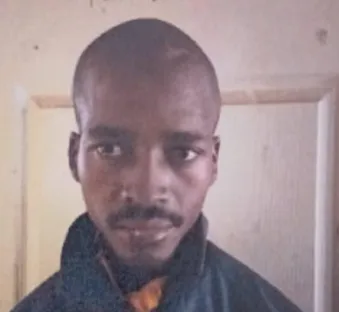
Serial rapist Sihle Makaula was sentenced to four life terms thanks to crucial DNA evidence.
Image: Supplied / NPA
The court also declared him unfit to possess a firearm in terms of the Firearms Control Act.
Ntabazalila said Makaula’s DNA profile matched evidence across multiple rape dockets, however, complainants in these cases were unable to identify the accused directly.
Ntabazalila said the NPA’s DNA Project, proved its critical importance in combating gender-based violence in the province.
“Historically, many cases stalled due to delays in processing DNA evidence, which is often the most critical link between perpetrators and victims. To address this challenge, the NPA launched the DNA Project in October 2020. This national initiative is a strategic tool designed to accelerate the processing of forensic DNA evidence in criminal cases,” said Ntabazalila.
In their victim impact statements, the complainants told of how their lives were devastatingly altered.
Victim one shared that she was embarrassed by the rape.
“When the incident happened, I was very scared and in shock that this was happening to me. It felt like a whole part of me was taken away from me. He took my innocence away from me. This incident changed my life, especially my relationships with men. I don’t trust men anymore. The only man I trust to date is my father.
“It took away my innocence; it broke me emotionally. I am not the same anymore. My relationship with people is not the same anymore. I have some serious trust issues. I also find it very hard to be intimate with my partner. There are also some days where I just feel sad for no reason. I also have that feeling of anger inside of me,” she said.
Another victim said she felt scared during the incident and feared death.
The third victim said: “When it happened, I was very scared…He opened a wound that will never heal. I cannot talk about what happened because I am not confident. I feel so embarrassed. Before the incident, I was brilliant at school when I compare now and before. My mind is damaged because of the drugs from the clinic and the feelings. Sometimes I forget things, but I am fighting.”
Ilitha Labantu founder and spokesperson, Siyabulela Monakali said the sentencing underscores the critical role played by forensic science in strengthening prosecutions.
“In this case, DNA evidence was the decisive factor in linking the perpetrator to multiple incidents of rape and assault, including that of a minor, when complainants were unable to identify him directly. Without such DNA links, it is likely that the accused would not have been connected to these crimes.
“As the country enters 16 Days of Activism, this sentencing serves as a reminder that gender-based violence is not a once-off campaign concern but a daily crisis that demands sustained, structured action. There is an urgent need to strengthen investigative capacity, improve access to forensic services, reduce case backlogs and ensure that justice mechanisms are responsive and effective,” said Monakali.