

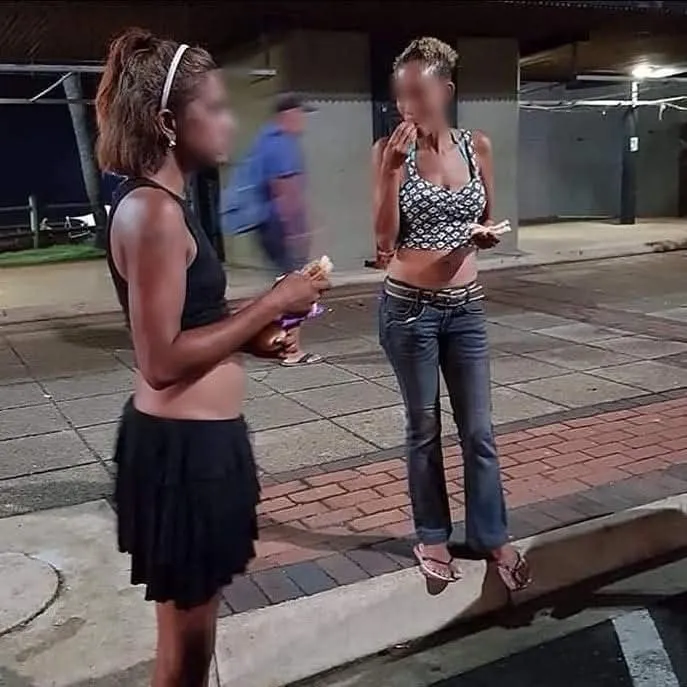
Unveiling the hidden crisis: Women trapped in Durban's sex trade.
Image: EXPOSE HOPE
For more than two decades, Vashti Toms has walked the streets of Durban's dark underbelly with a mission rooted not in charity, but in relentless, compassionate presence.
As the co-founder of eXpose HOPE, she is part of a grassroots movement working to support women trapped in the sex industry, many of whom are there not by choice, but by circumstance, coercion and survival.
Originally from the UK, Vashti told IOL how her journey began.
"I moved to South Africa 22 years ago and started to visit the homeless shelters with a church group."
It was there that she encountered a harsh reality that would shape the course of her life.
"I noticed that the majority of women staying in these shelters were forced into the sex industry purely to survive," she said.
With little formal support available at the time, she stepped in where she could.
"There was no support for them and their children so I decided to start helping them however I could. I would purchase sanitary pads, toiletries and ask friends for donations of second-hand clothing for them and their babies."
Week after week, she returned to the same streets, building trust in places where trust is scarce.
"For 10 years I did this alone, going to the Point Road area of Durban every week to visit them and build relationships."
The work, however, comes at an emotional cost.
"The most painful challenge is seeing how controlled these women are by the men who ‘own’ them and by their addictions," she added. "They carry immense trauma and that trauma keeps them trapped."
Among the many stories she carries, one still weighs heavily. The murder of Siam Lee left a lasting scar.
"Siam was one of the girls that I personally had a relationship with."
Just days before her disappearance, they had spoken, a memory that continues to haunt her. "Her murder broke me on so many levels."
Lee, a 20-year-old woman working in Durban North, was abducted in January 2018 and later found brutally murdered.
Court proceedings revealed the extent of the violence she endured, she was assaulted, held captive, and ultimately killed before her body was burned in a sugarcane field near New Hanover.
A businessman, Philani Ntuli, was arrested and charged with multiple offences including kidnapping, rape and murder.
However, in a devastating turn for the family and those seeking justice, Ntuli died in 2019 from illness before the trial could begin.
Yet, despite the heartbreak, Toms and the team at eXpose HOPE continue to show up, consistently and without judgement.
"We show up without judgement, we love them exactly where they are in their journey." Their approach is simple but powerful: "Our consistent love is what gains their trust."
A major misconception, she says, is that women in the sex industry are there by choice.
"So many people believe that this is a life choice that these women and girls have made."
But according to her, years on the ground tell a different story. "This is untrue for the vast majority of those who are trapped in the sex industry."
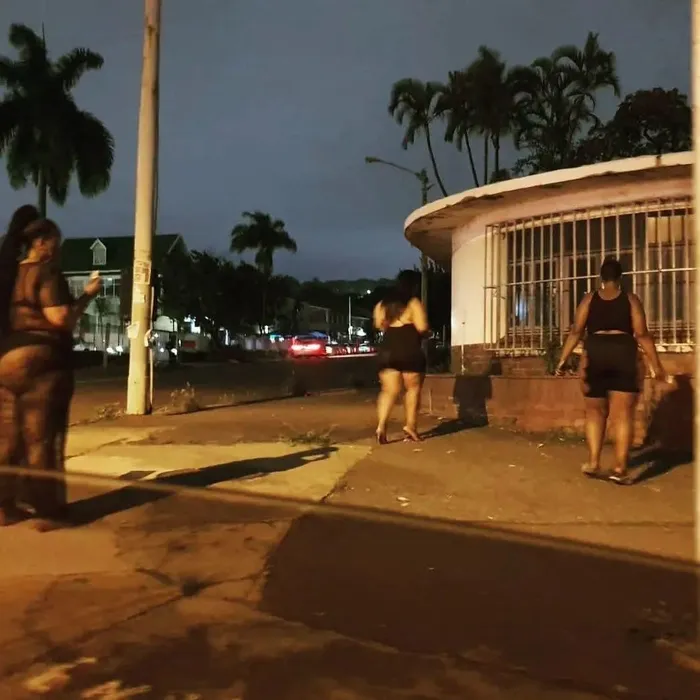
Human trafficking in Durban: The fight to rescue women from exploitation.
Image: EXPOSE HOPE
The realities are complex and deeply rooted in trauma, poverty and exploitation.
From orphanhood and abuse to trafficking and broken family structures, the pathways into the industry are varied, but rarely voluntary.
The organisation's work focuses on meeting these women where they are: providing meals, basic necessities, and most importantly, human connection.
Each week, the team drives into some of Durban's most dangerous areas, distributing food and supplies while checking in on the women they've come to know.
The risks are real, but so is the need. Funding remains one of their biggest challenges, limiting how many lives they can reach and support.
For Toms, however, this is more than work; it is purpose.
She has witnessed cycles of relapse and recovery, despair and resilience, often within the same individuals. And through it all, she has seen extraordinary strength in the women society too often overlooks.
Many, she says, endure unimaginable hardship not just for survival, but for their families, determined to create better futures for their children, even at great personal cost.
In the face of trauma, danger and loss, her commitment has never wavered.
Working alongside her on the streets of Durban is Liza Moroney, a woman whose experiences echo the same urgency.
Together, through eXpose HOPE, they step into spaces most people avoid, driven by a shared belief: that no woman is beyond reach.
Behind the shadows: The struggle against human trafficking in Durban.
Image: EXPOSE HOPE
For Moroney, the women they encounter are too often dismissed and dehumanised.
"These ladies are the forgotten souls, the used and abused, thrown to the gutters," she says. The judgement they face is relentless.
"[They are] judged continuously by society without even stopping and getting to know their reason and story why they are on the streets."
But to her, their identities go far beyond the labels imposed on them.
"These ladies are someone’s granny, mother, daughter, sister," she emphasises.
And the crisis is not distant or hidden; it is unfolding in plain sight. "This is happening on our streets of Durban."
Like Toms, Moroney has witnessed how easily vulnerability is exploited.
"[They are] offered jobs in call centres and the casino but end up stuck in a brothel," she said.
In some cases, even institutions meant to protect are implicated. "[They are] sent by a 'church' to Durban but [end] up stuck in a brothel."
Trafficking, she warns, does not always resemble the dramatic scenes people imagine.
"They don't have to leave the country in a shipping container; it can happen right in front of your eyes."
Her work has placed her in situations that are both dangerous and defining.
She told IOL of one urgent rescue. "One person asked for help one day, 'rescue me!'"
What followed was a desperate search through known locations. "We went on a mission searching all the places we knew she might be."
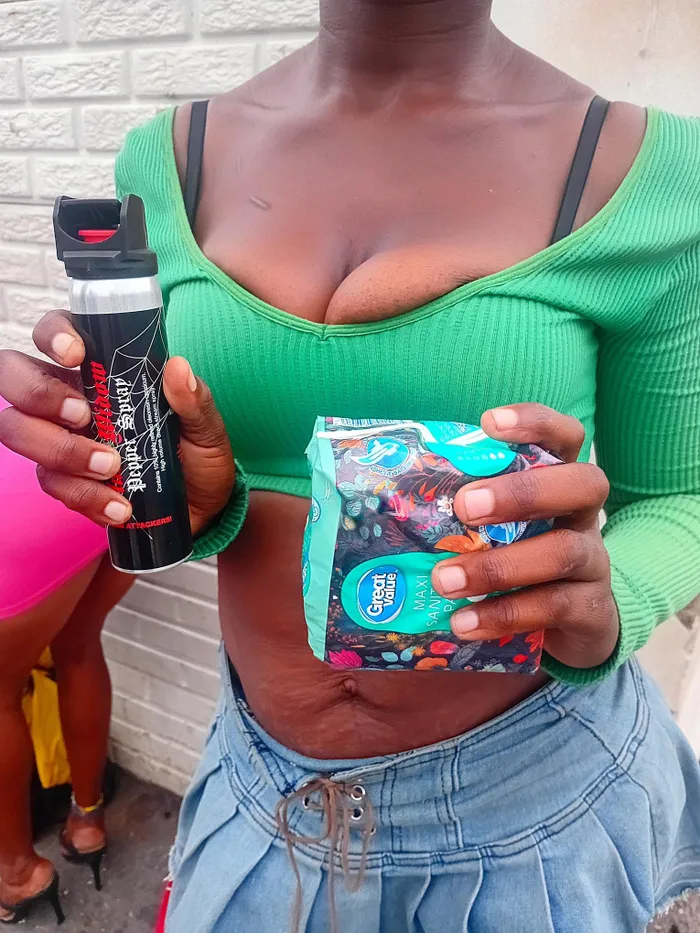
Empowering the forgotten: How eXpose HOPE is changing lives in Durban.
Image: EXPOSE HOPE
When they finally tracked the woman to a brothel, they were told she had already been taken elsewhere.
"They said she had gone to a client's house." What happened next required a leap of faith, and courage.
"The gate man was kind enough to send a lady with me to find said house."
Walking into an unfamiliar and potentially dangerous environment, they pressed on. "I walked into the unknown and found her high in his bed with only her panties on."
The risk was undeniable, she continued.
"He could have done anything to me. He let me take her without any problems."
The escape was swift. "[I] swooped her up and raced away."
Not all encounters end as cleanly. Some are chaotic, exposing the depth of trauma these women carry. Moroney remembers one particularly distressing night near Esther Roberts Road.
"We sat for two hours on the side of the road trying to help a lady who was having a full psychotic breakdown."
The described the scene was volatile. "She would rip off her clothes and run between the cars, throw rocks and light paper."
Yet amid the turmoil, patience and persistence prevailed. "Eventually she calmed down and got in the car with us, and we got her the help she needed."
What lingered most, however, was not the crisis itself but the indifference surrounding it.
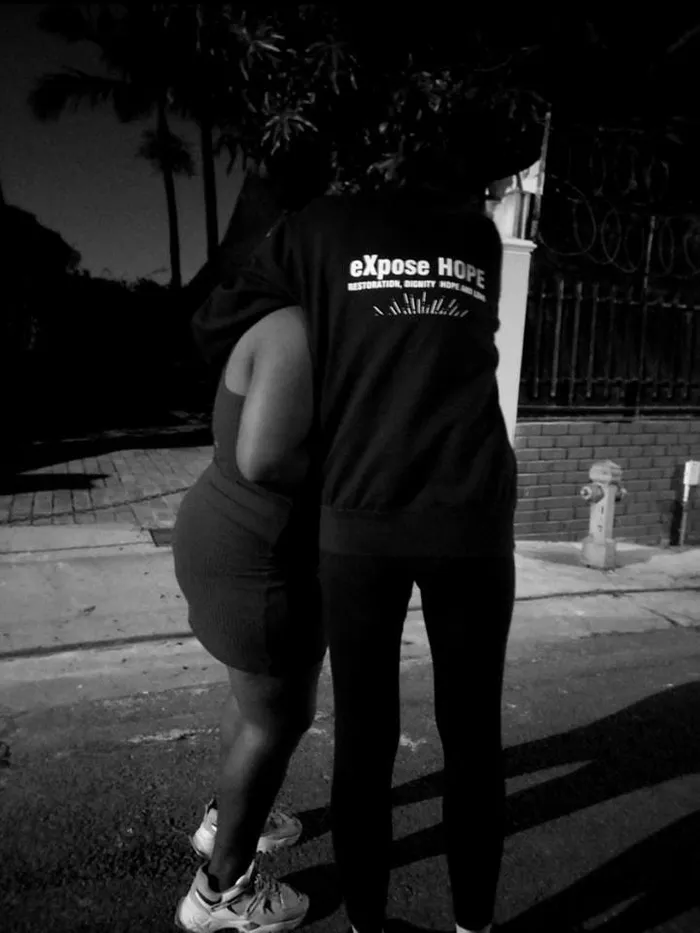
Unveiling the hidden crisis: Women trapped in Durban's sex trade.
Image: EXPOSE HOPE
"The saddest thing is the community drove past her all day long and did absolutely nothing."
Through these experiences, she has come to understand the patterns that draw women into exploitation.
Poverty and unemployment remain key drivers, often manipulated through deception.
False promises of work are common, but so are deeper vulnerabilities, family dysfunction, abuse, homelessness and the lingering impact of HIV and AIDS.
She also highlights more insidious tactics, including the so-called 'loverboy' method, where traffickers groom victims through emotional relationships before exploiting them.
Together, the women of eXpose HOPE paint a stark but necessary picture: behind every encounter is a web of systemic issues, and a person fighting to survive within it.
Their work is not about quick fixes, but about presence, trust and persistence in the face of overwhelming odds.
On Durban's streets, where many look away, they continue to step forward, meeting women not as statistics or stereotypes, but as individuals whose stories deserve to be seen, heard and, ultimately, changed.
IOL News