

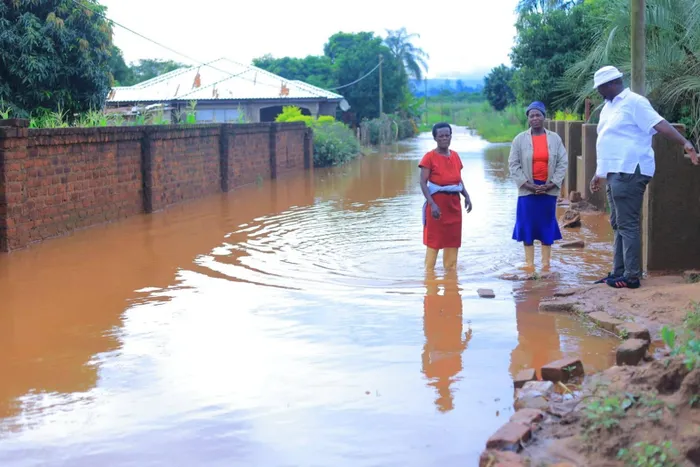
Severe flooding in Limpopo has left communities devastated, highlighting the urgent need for improved disaster response and planning. Meanwhile, neighbouring Mpumalanga faces similar challenges as extreme weather events continue to threaten lives and livelihoods across the region.
Image: Supplied
For families living along the riverbanks of Limpopo’s Vhembe District, the destruction left by recent floods goes far beyond washed-away roads and damaged homes. It is a stark reminder that the places they call home are becoming increasingly unsafe.
This week, Parliament’s Joint Oversight Delegation on Cooperative Governance visited some of the worst-affected areas in the province, including Tshakhuma in the Mkhado Municipality and Matsakali Village in the Collins Chabane Local Municipality. What they encountered were communities still struggling to recover from extreme weather that swept away houses, crippled infrastructure, and disrupted access to basic services.
Moving through floodplains and informal settlements along riverbanks, members of the delegation inspected damaged homes, collapsed bridges, and broken water systems. The visit formed part of Parliament’s oversight role, aimed at assessing the government’s disaster response and whether recovery and mitigation plans are taking shape on the ground.
The delegation was led by National Council of Provinces Select Committee Chairperson Mxolisi Kaunda and National Assembly Portfolio Committee Chairperson Dr Zweli Mkhize. Both acknowledged the urgency of humanitarian relief but stressed that longer-term safety could no longer be ignored.
“We are here to support local and provincial government and affected communities, but also to conduct oversight on the commitments that were made to restore services,” Kaunda said.
For residents, those commitments are critical. Flood damage has rendered roads impassable, isolating villages from clinics and schools, and disrupting water and electricity supplies. In some areas, children have struggled to return to class, raising concerns about the long-term impact on education.
During engagements with provincial and local authorities, traditional leaders and community members, the delegation focused on the restoration of essential services, including access roads, water and sanitation, electricity infrastructure, and schooling. Committee members stressed that the culture of teaching and learning must be protected, even in the aftermath of a disaster.
But the most difficult conversations centred on where people live.
Both Kaunda and Mkhize were blunt in their assessment that communities settled on floodplains face an unacceptable risk to life. They urged local authorities to move beyond temporary repairs and put clear relocation plans in place, using land already identified by the Department of Human Settlements.
Dr Mkhize said relocation is the only sustainable option for households living in high-risk areas.
“We cannot continue rebuilding in places where people are in danger,” he said, adding that all spheres of government must work together to help families resettle in safer locations.
Members of the delegation also raised concerns about accountability, warning that emergency housing and rebuilding interventions must reach the right beneficiaries. They called on provincial and local authorities, together with the departments of Human Settlements and Transport, to urgently repair damaged infrastructure, particularly low-level bridges and access roads that have left some communities isolated.
Beyond immediate recovery, the delegation cautioned that climate change is making extreme weather events more frequent and more severe, requiring a shift in how municipalities plan for disasters.
“We are asking what plans are being put in place so that we do not experience the same problems again,” Kaunda said. “Preparation must be our focus, not only responding after the damage has been done.”
He stressed the need to rebuild smarter and safer, avoiding the return of people to dangerous locations. This includes improving stormwater drainage, clearing waterways, protecting wetlands, planting trees, and integrating environmental considerations into municipal development planning.
“Wetlands and open spaces play a critical role in absorbing excess water during heavy rainfall and reducing the impact on residential areas,” Kaunda said.
As families in Tshakhuma and Matsakali begin the slow process of recovery, uncertainty looms over what will come next. Relocation offers safety, but also raises fears about losing land, livelihoods, and long-standing community ties.
The joint delegation is expected to continue its oversight visits in Giyani and Tzaneen before moving on to flood-affected areas in Mpumalanga.
Parliament says the findings will be used to strengthen oversight of disaster response, recovery planning, and long-term risk reduction, as scientists warn that climate change is intensifying rainfall patterns linked to systems such as La Niña.