

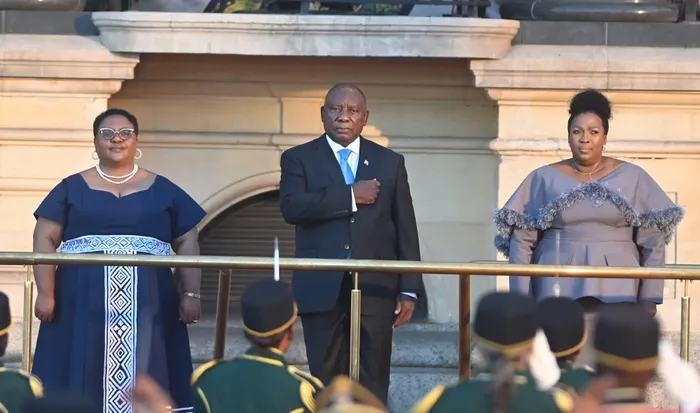
President Cyril Ramaphosa delivers the State of the Nation Address, outlining government’s plans to tackle South Africa’s deepening water crisis and reform failing municipal systems.
Image: Ayanda Ndamane/ Independent Newspapers
High water consumption has pushed several Tshwane reservoirs to critically low levels, with some areas expected to begin experiencing water outages as supply systems come under mounting strain.
The City of Tshwane on Thursday said it was “continuing to experience further declines in water levels across several of its reservoirs”, with the situation at the Klapperkop Reservoir having “deteriorated significantly”.
“All areas supplied by Klapperkop are likely to begin experiencing water outages as levels continue to drop,” said City of Tshwane spokesperson, Selby Bokaba.
Technical teams from Rand Water and the city are on-site “assessing system pressures and implementing interventions to stabilise supply”, Bokaba said.
The metro also confirmed a temporary water interruption affecting areas supplied by the Garsfontein Reservoir. However, Bokaba said there were signs of recovery.
“The good news is that both the Elardus Park and Garsfontein Reservoirs are gradually improving, and supply has already been restored to some of the consumers. Supply is expected to be restored to outstanding consumers overnight,” he said.
“Customers can be assured that the city is doing everything possible to restore and stabilise supply in the areas supplied by both reservoirs.”
In Region 1, the Soshanguve L and Mabopane reservoirs remain empty, while Mabopane Main, Klipgat and Kruisfontein reservoirs are critically low. The Mabopane Central Reservoir has maintained a stable status.
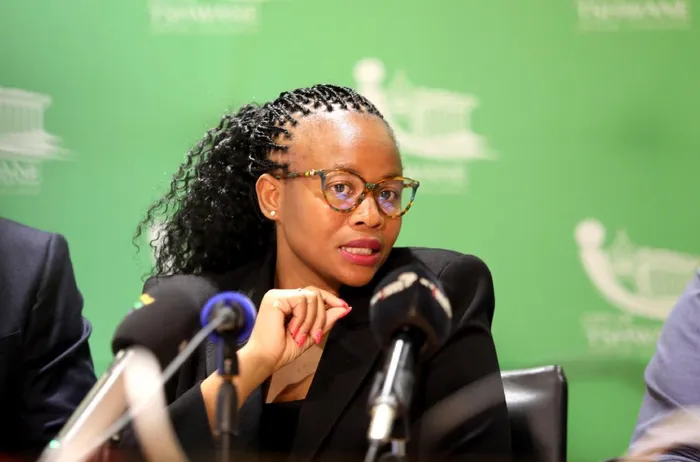
Executive Mayor of the City of Tshwane, Dr Nasiphi Moya.
Image: Oupa Mokoena/ Independent Newspapers
In Regions 3 and 4, the Laudium and Atteridgeville HL reservoirs are stable but are experiencing high consumption levels. The Pretoriusrand and Lotus reservoirs are also stable.
As part of efforts to support recovery in the hardest-hit northern systems, the city said it was temporarily shutting off supply to the Louwlardia, Brakfontein, Bakenkop and Rooihuiskraal reservoirs from 8 pm on Thursday until 5 am on Friday to redirect water and support recovery in Region 1, where severe shortages and outages are being experienced.
Bokaba urged residents not to panic-store water, warning that this would “interfere with recovery plans and place further strain on the system”.
“Residents across all affected areas are urgently requested to use water sparingly as high consumption directly delays system recovery. Customers are also urged to avoid nonessential water usage during this critical period,” he said.
“We have all seen the pain that our people have been expressing through demonstrations in various parts of Gauteng. These protests have been fueled by frustrations over inadequate and unreliable access to basic services such as water,” Ramaphosa said.
He said poor planning and inadequate maintenance of water systems by many municipalities were the main cause of taps running dry.
“There is no silver bullet to address this challenge, which has its roots in systemic failures and many years of neglecting infrastructure,” the president said.
Ramaphosa announced that government would elevate its response to the crisis by establishing a National Water Crisis Committee, which he will chair, to coordinate interventions and deploy technical experts to struggling municipalities.
He said government had committed more than R156 billion over the next three years for water and sanitation infrastructure and introduced a new R54 billion incentive for metros to reform their water, sanitation and electricity services.
“The real challenge lies not in the availability of water, but in getting water to people’s taps,” Ramaphosa said, adding that municipalities that fail to meet their obligations would be held accountable.
The City of Tshwane said further updates on reservoir levels and supply interventions would be communicated as the situation develops.
IOL News