

Can Foot-And-Mouth Disease affect the meat we eat?
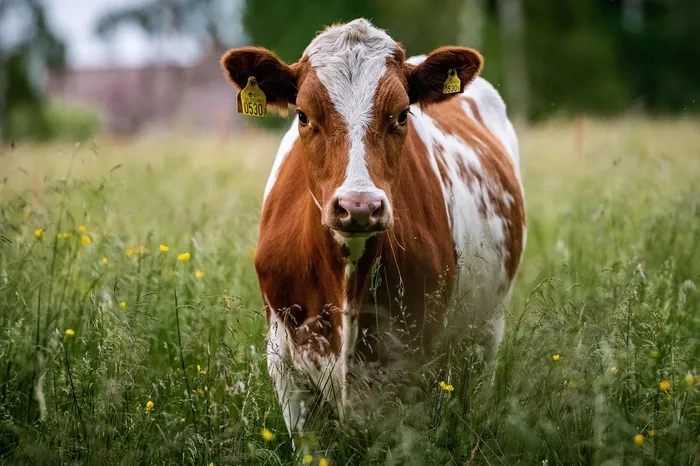
Image: Pixabay/Borg Mattisson
As fresh cases of foot-and-mouth disease (FMD) are confirmed in parts of South Africa, many consumers are asking a simple question: Is it still safe to eat beef and other red meat?
We delve into what the disease is and if humans are at risk in any way.
Foot-and-mouth disease is a highly contagious viral disease that affects cloven-hoofed animals such as cattle, sheep, goats and pigs.
It is caused by the foot-and-mouth disease virus and spreads quickly between animals through direct contact, contaminated equipment, feed, or transport vehicles.
It is worth noting that it is not the same as “hand, foot and mouth disease”, which is a separate illness that affects young children.
According to the World Organisation for Animal Health (WOAH), human infection with foot-and-mouth disease is extremely rare.
When cases have occurred historically, they were typically linked to people working in very close contact with infected animals.
The World Health Organization (WHO) states that FMD does not pose a public health threat in the way diseases such as avian influenza or rabies do.
Properly handled and properly cooked meat is considered safe to eat, but it is important to note the following:
So why is there so much concern? Concerns mount because the real impact of foot-and-mouth disease is economic, not medical.
South Africa’s outbreaks often trigger livestock movement bans, auction closures and export restrictions from major trading partners.
This affects farmers, meat processors and exporters, and can sometimes influence supply chains and prices, but it does not mean supermarket meat is unsafe.
So what about informal slaughter or unregulated meat?
Consumers are urged to buy from reputable retailers and butcheries, ensure meat is inspected and avoid buying visibly sick animals.
This advice applies at all times and not only during outbreaks.
While FMD poses minimal risk to human health, it remains one of the most serious animal diseases globally due to its rapid spread, the cost of containment and impact on international trade.
South Africa has experienced periodic outbreaks in recent years, largely affecting cattle-producing provinces and triggering temporary export bans.
IOL