

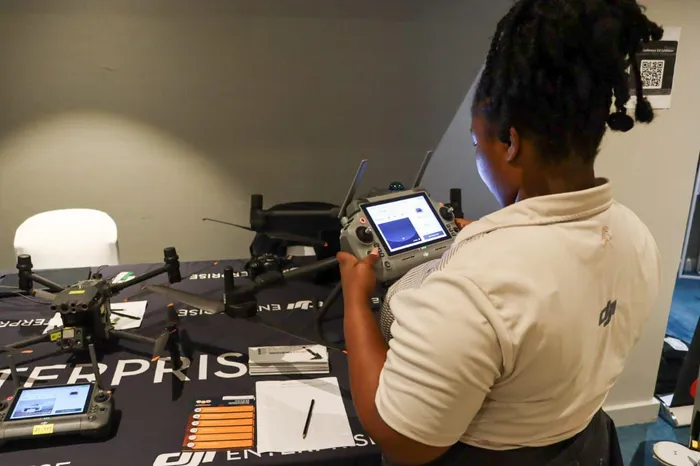
As urban risks intensify, traditional methods can no longer keep up with the pace. Technology is leading the way.
Image: SANELI MTHALANE
As urban environments grapple with escalating risks from climate change and infrastructural pressures, a transformative approach to disaster risk management is taking shape.
The 4th Annual Southern African Drone, AI and GIS Conference, taking place in Durban, showcases how cutting-edge technologies are redefining preparedness, response, and recovery strategies worldwide.
This groundbreaking conference, hosted by QP Drone Tech in collaboration with South Africa Flying Labs, WeRobotics, and Esri, unites a diverse group of stakeholders, from government leaders and SADC dignitaries to drone operators, GIS specialists, academics, and civil society, who are committed to exploring innovative solutions to common challenges.
Delegates from countries across the SADC region demonstrated how technological advancements have helped combat disaster-related challenges. From rapid aerial mapping during floods to AI-driven predictive modelling for drought management, these examples highlight a pivotal truth: innovation saves lives.
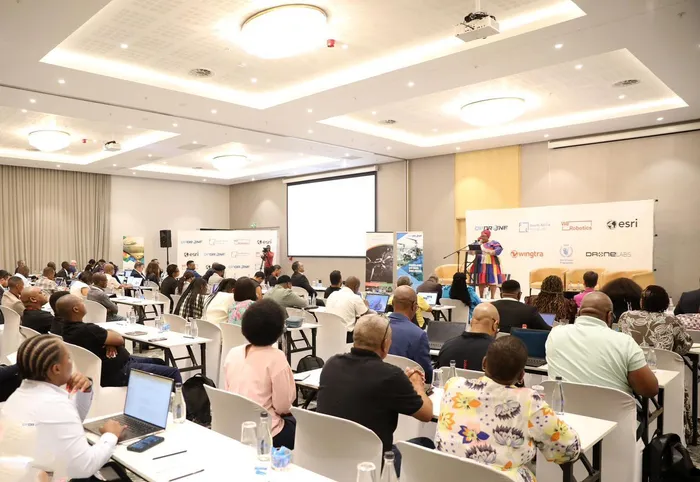
Disaster risk management is entering a new era driven by smarter, safer, and more resilient innovation.
Image: SANELI MTHALANE
Minister of Cooperative Governance and Traditional Affairs, Velenkosini Hlabisa, underscored the urgency of integrating technology into disaster preparedness plans, particularly for KwaZulu-Natal, a region painfully familiar with the impacts of natural disasters.
“Investing in technology is no longer optional; it is an urgent necessity,” he proclaimed. “By learning from SADC communities and leveraging tools like drones, AI, and GIS, we can predict risks earlier, respond faster, and protect lives and livelihoods.”
Central to the conference’s discussions was the theme of reimagining resilience through collaborative efforts. Experts across disciplines echoed the sentiment that achieving effective disaster risk management requires knowledge-sharing and cross-border partnerships.
eThekwini Deputy Mayor Councillor Zandile Myeni added, “Technology and government must work hand in hand to safeguard communities against climate change and urbanisation.”
“Through partnerships forged here, eThekwini will integrate cutting-edge solutions into its disaster management framework, building stronger, adaptive, and more resilient communities,” she added.
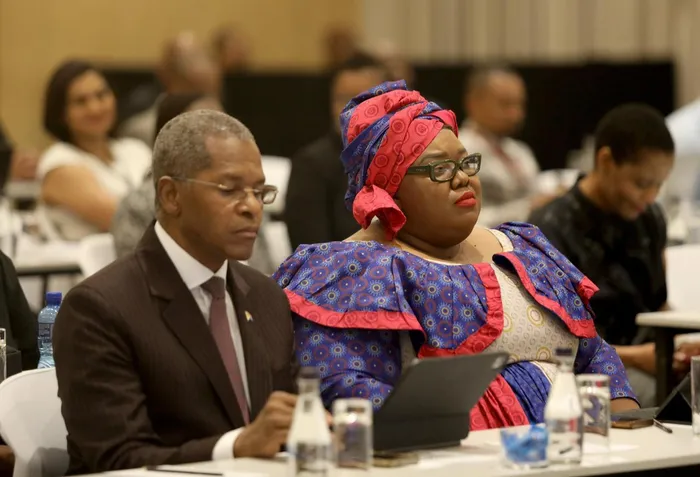
Dignitaries, led by Minister of Cooperative Governance and Traditional Affairs Velenkosini Hlabisa and eThekwini Deputy Mayor Councillor Zandile Myeni, have gathered in Durban for the Drone Conference, a platform to share best practices on harnessing drones, artificial intelligence, and geographic information systems for disaster prevention and preparedness.
Image: SANELI MTHALANE
As the discussions progressed, delegates emphasised that progress in technology must be accompanied by capacity building and the empowerment of local communities.
This dual approach ensures that technological advancements translate into real-world benefits, transforming abstract concepts into practical tools for change.
Queen Ndlovu, CEO of QP Drone Tech, articulated this philosophy, noting that while natural disasters are inevitable, their catastrophic impact does not have to be.
“Investing in technology for preparedness, not just for response, is key to saving lives and protecting livelihoods,” she stated, advocating for a proactive rather than reactive approach to disaster management.
As the summit approaches its conclusion on November 5, the anticipation grows for live drone demonstrations at Moses Mabhida Stadium and hands-on GIS workshops, aimed at showcasing the real-time applications of these innovations in emergency response.
IOL