
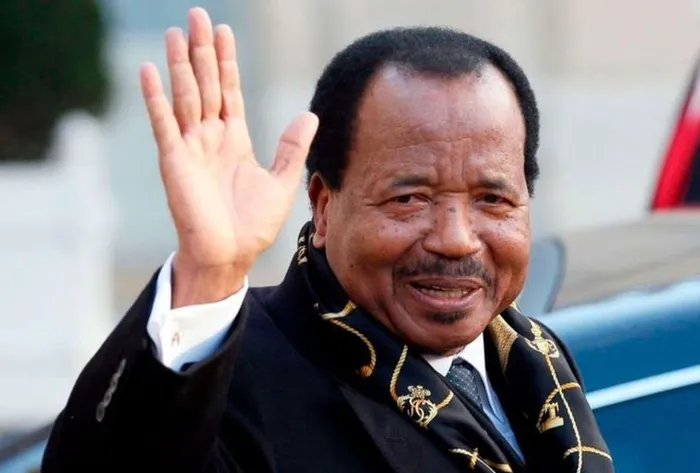
Paul Biya, 92, decided to run for president in Cameroon's recent elections, demonstrating that Africa is regressing in its efforts to elect young leaders, says the writer
Image: Les Echos
Africa’s independence since the beginning of the 1960s has been hugely characterised by dictatorship, authoritarianism, ineptitude, corruption, and maladministration.
Those who were known to be the freedom fighters have come to be known as the oppressors of the same people they used to claim to fight on their behalf. The African youth who were born in the post-colonial years are subjected to poor governance, poverty, lack of education and economic opportunities, unending wars and conflicts.
The decision by the 92-year-old, Paul Biya, to stand for presidency in the recent elections in Cameroon has proved that Africa is regressing in terms of adding youth leadership in its political ecosystem rather than electing old people who are collapsing their respective countries.
It is clear that the Cameroonians were and are not happy under the 4 decades of rule under Biya, which is characterised by gross corruption, inequality, and ethnic tension. Biya, the longest-serving leader in the world, does not seem to care about the lives lost and displaced in the post-election conflict.
On the other hand, the usual loud silence by the African Union (AU) and the Economic Community of Central African States (ECCAS) is enabling the dictatorial and repressive behavior of Biya.
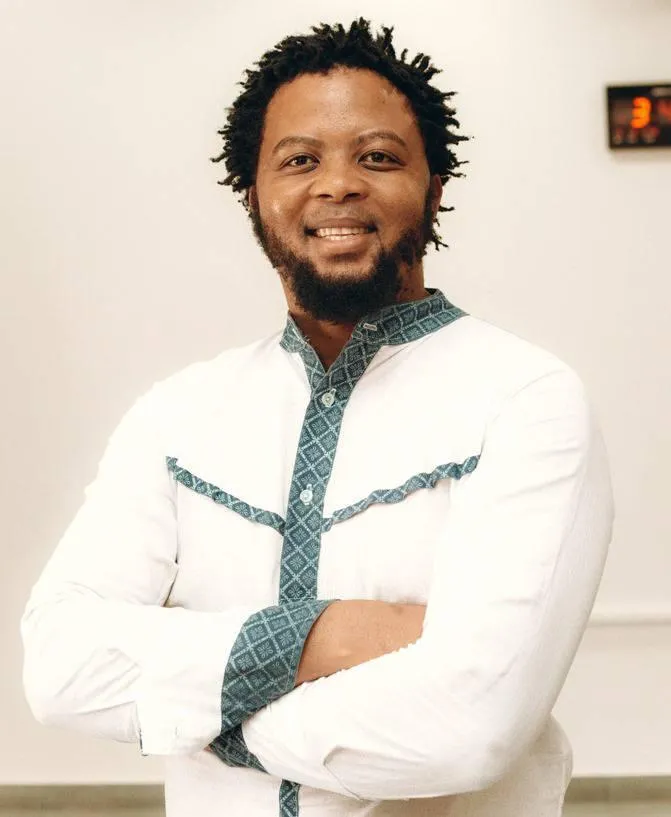
Kenneth Kgwadi is a fellow at the Middle East African Research Institute.
Image: Supplied
In his 43 years of tyrannical rule in a country that promised to transform into an economic hub of Central Africa, Biya abused his power to undermine and weaken the state institutions to ensure that he and his cronies would never be held accountable for their treasonous conduct over the years.
Like other dictators in Africa, he uses the military to instill fear and terror among the people he is supposed to lead. He has divided the country into two nations, Anglophone and Francophone. It will take commitment, effort, and many years to build social cohesion in that country.
Biya is not alone in Africa in abusing his power to silence the voice of the opposition; we have witnessed recently in Tanzania, as its president, Samia Suluhu Hassan, disqualified the leading opposition candidates who threatened her presidency.
These elections, which became violent, took place with Tundu Lissu, the opposition leader, facing a fabricated trial of treason, which was meant to exclude a lawyer and member of parliament from contesting these elections.
His party, CHADEMA, was disqualified from contesting elections by the electoral commission after it refused to sign the electoral code of conduct in April 2025.
The Tanzanian elections have been marred by violence in the streets of the biggest city, Dar es Salaam, as protesters were decrying the repressive rule of Hassan. The critics of the government are being jailed, killed, or abducted.
In both Tanzania and Cameroon, the two dictators who are using every means at their disposal to continue their rule in their respective countries have often interfered with the connection of the internet as a way of discouraging people from mobilizing and organizing against their authoritarianism.
Despite having held fresh elections and being announced as winners, they will struggle in their tenure as they lack political legitimacy to carry out their duties. As usual, they will be forced to use repression and terror to govern their states to compel people to see them as their political leaders. The youths in Africa are rising to the occasion, refusing to be led by old tyrants who have brought misfortune to their once-beautiful countries.
These youth movements in Africa date back to the years of independence, and they have now taken a new form in the digital age, where social media has taken the centre role in mobilization and organising of the young Africans.
We are now seeing a change in attitude in the young people in Africa who are taking an interest in politics and the leadership of their countries. They are now refusing to be led by old folks who failed to transform their countries.
The youth in Zimbabwe is not passive and quiet; there are political activities taking place in and outside the country to replace the old folks with the vibrant and visionary youth leadership who will take their country to greater heights. We are seeing how the youth in South Africa are organising themselves through formations of political parties such as the Economic Freedom Fighters (EFF), trade unions, student movements, and other formations to fight years of corruption wielded by the ANC, which has proved to be beyond repair.
We have seen and learnt from the Kenyans in 2024 that the youth is able to rise, fight, and win. And their fight has renewed the hope and energy levels of young people across the continent. It is high time that the African youth are being listened to and given a chance to run their countries to avoid unnecessary coups and bloodshed.
It is obviously disappointing that the 81-year-old Yoweri Museveni is seeking his 7th term to lead his country, but it is inspiring to see the youth leader who is in the opposition ranks, Bobi Wine, challenging the current dictatorship to deliver the Ugandans to their liberation.
The youth in Africa are tired of being led by clueless people who spent years in the bush to become soldiers and have no understanding of governance and government. Africa’s population is dominated by the youth, who should and will take the lead in running their affairs.
Kgwadi is a research fellow at the Middle East Africa Research Institute (MEARI). He holds a MAster of Arts in African Studies