

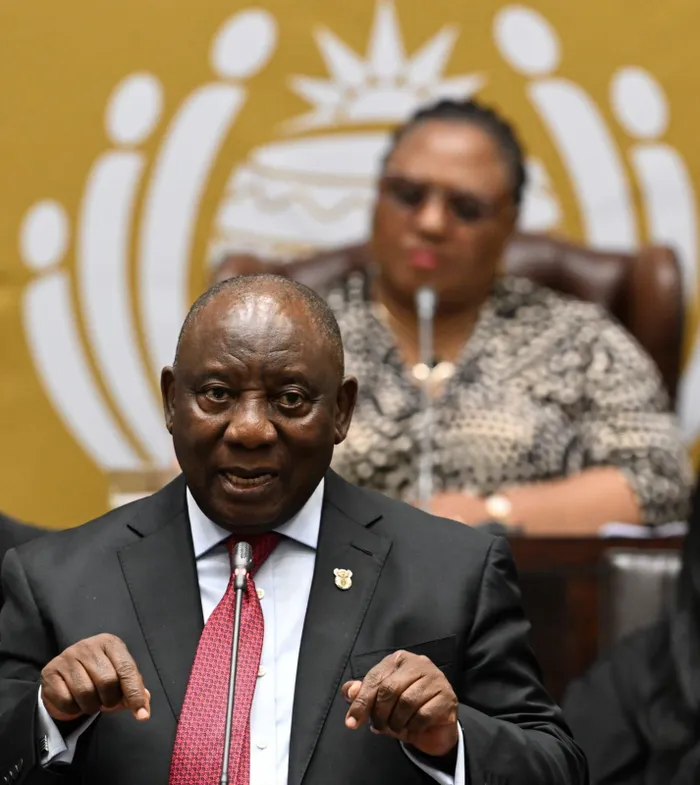
Ramaphosa's continued presence in the Union Buildings, despite his manifest failures and his own apparent desire to leave, suggests something more sinister at play.
Image: X/GCIS
When Cyril Ramaphosa assumed the presidency in February 2018, South Africans were promised a new dawn. Here was a man celebrated as a shrewd negotiator, a titan of business, someone who would restore economic confidence and rebuild our standing in Africa and globally.
Seven years later, that promise lies in tatters, yet mysteriously, Ramaphosa clings to power—or rather, is kept in power by forces that demand scrutiny.
The facts speak for themselves. Under Ramaphosa's watch, South Africa has lurched from crisis to crisis. Youth unemployment has reached catastrophic levels, hovering above 60 percent for those aged 15-24. Our economy has stagnated, barely growing while our continental peers surge ahead.
Crime has spiralled—load-shedding crippled our infrastructure for years, and state capture, despite endless commissions and investigations, continues to bleed the nation dry.
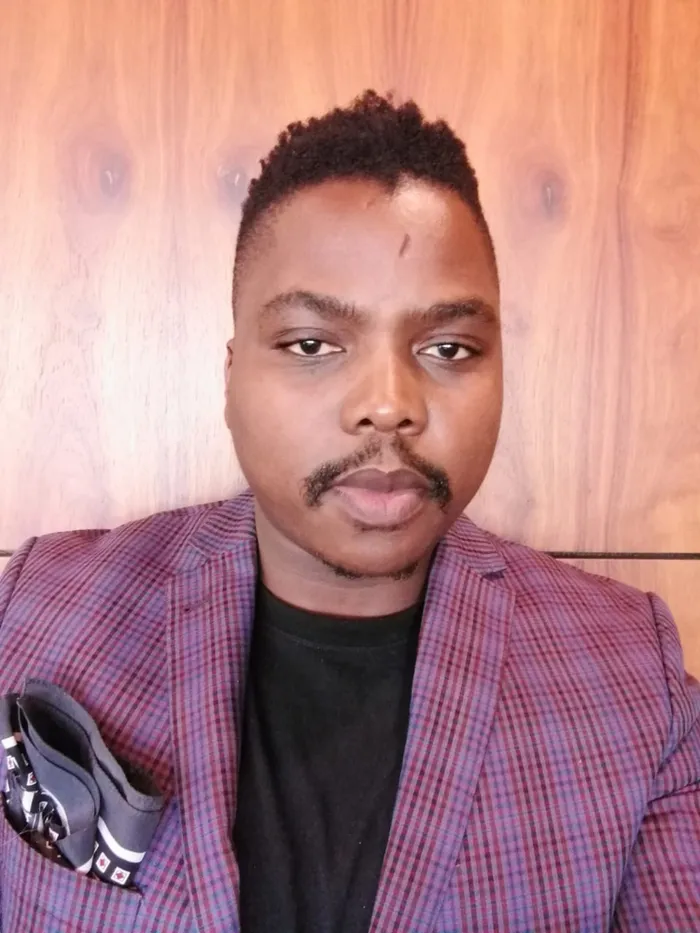
Anda Mbikwana is a PhD candidate and a municipal finance and leadership in governance expert, writing in his personal capacity.
Image: Supplied
This is not the record of a functioning presidency. This is the scorecard of comprehensive failure.
Yet when Ramaphosa attempted to resign following the Phala Phala scandal—when millions of dollars were discovered hidden in furniture at his farm, raising damning questions about money laundering and tax evasion—he was persuaded to stay. By whom? And for what purpose? These are the questions that should haunt every South African.
The formation of the Government of National Unity following the 2024 elections has only deepened the mystery. Here we have a president who, by all visible signs, appears defeated, exhausted, disinterested in governing. Those who observe him closely speak of a man going through the motions, not leading a nation. Yet the Democratic Alliance, now sharing power in what critics call a "Chymified" arrangement, seems equally invested in keeping this underperforming president exactly where he is.
Why?
Former President Thabo Mbeki recently reignited the debate about how South Africa elects its presidents, arguing that our current system produces leaders who are beholden to party machinery rather than the people.
He is right. Our parliamentary system allows parties to install compromised individuals—people who can be controlled, who will not rock the boat, who serve interests other than the national interest.
Ramaphosa's continued presence in the Union Buildings, despite his manifest failures and his own apparent desire to leave, suggests something more sinister at play. Are there contracts to be signed? Deals to be finalized? Concessions to be made? What exactly do the power brokers in both the ANC and DA gain from propping up a president who, by any objective measure, ranks as the most underperforming leader since 1994?
South Africans have been remarkably patient—too patient. We have tolerated the rolling blackouts, the rising crime, the economic stagnation, the corruption scandals. We have avoided the streets, avoided unrest, hoping that somehow things would improve. But they have not. They have deteriorated.
The question we must now ask ourselves is this: Who benefits from Ramaphosa's continued presidency? Because it certainly is not the South African people. It is not the unemployed youth. It is not the victims of violent crime. It is not the businesses shuttering their doors or the investors fleeing to more stable shores.
Someone is benefiting. Someone always does.
It is time for South Africa to demand answers. Why is a president who wanted to resign being forced to stay? What leverage do they hold over him? What arrangements have been made behind closed doors? And most importantly, what happens when those arrangements are fulfilled?
Cyril Ramaphosa has failed South Africa. The evidence is overwhelming. Now we must ask: Who is preventing him from leaving, and what are they after? Until we answer these questions honestly, our democracy remains compromised, and our future uncertain.
The people deserve better than a reluctant president serving invisible experts. If Ramaphosa truly wishes to resign, let him resign. And let the full might of the law examine his tenure — and hold accountable not just him, but all those who kept him in power for their own purposes.
Anda Mbikwana is a PhD candidate and a municipal finance and leadership in governance expert, writing in his personal capacity.