
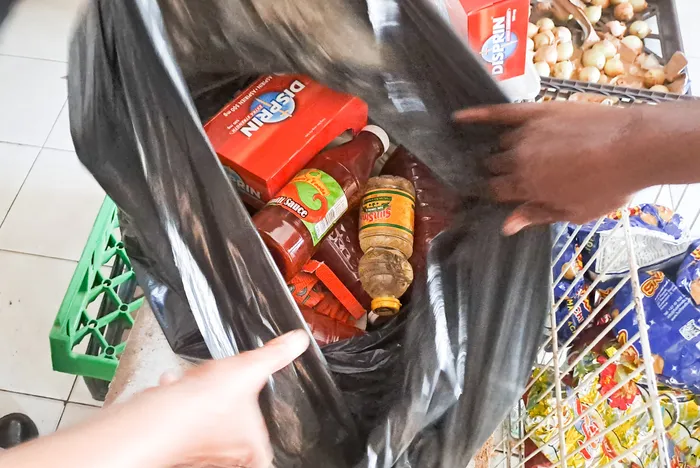
Glaring gaps in South Africa’s food safety regulations have been exposed, following a series of devastating food-borne illness outbreaks that have claimed the lives of children and left hundreds hospitalised.
Image: Jacques Naude/Independent Newspapers
Five individuals, including three members of the same family, were arrested by the Hawks following an investigation into illegal activities on a farm in Charl Cilliers, outside Secunda.
They have since appeared in court facing charges that include contravening the Foodstuffs, Cosmetics, and Disinfectants Act, corruption, fraud, and money laundering.
It's beyond words to imagine that the rotten food was intended for human consumption.
The distribution of food unfit for human consumption is a serious offence, comparable to knowingly preparing poison.
This incident underscores a critical regulatory gap in the country, where any Tom, Dick, or Harry can operate unregistered food production facilities.
This country has seen sporadic cases of food poisoning in recent months, most notably the severe 2024 outbreak linked to spaza shops, which involved hazardous pesticide contamination and resulted in child deaths. This historical context emphasises the significant risks associated with unregulated food sources.
While we applaud the whistleblowers involved in the Mpumalanga case, we urge the courts to impose harsh penalties if the accused are found guilty.
The judicial system is currently the most effective tool we have for discouraging such criminal behaviour.
Criminals are taking advantage of existing flaws, including the apparent lack of active, visible food safety inspectors on the ground.
Although the necessary legislation, inspectors, and analysts are in place, there is an obvious need for more personnel and resources dedicated to enforcement.
We urge the government to show political will by re-evaluating and restructuring current budgets, potentially redirecting resources from non-essential areas toward a robust national food safety campaign and increasing the number of active inspectors.
The lives of citizens who consume these poisoned products are at stake, and the law must be strictly enforced.