The Israeli side of the story deserves to be heard
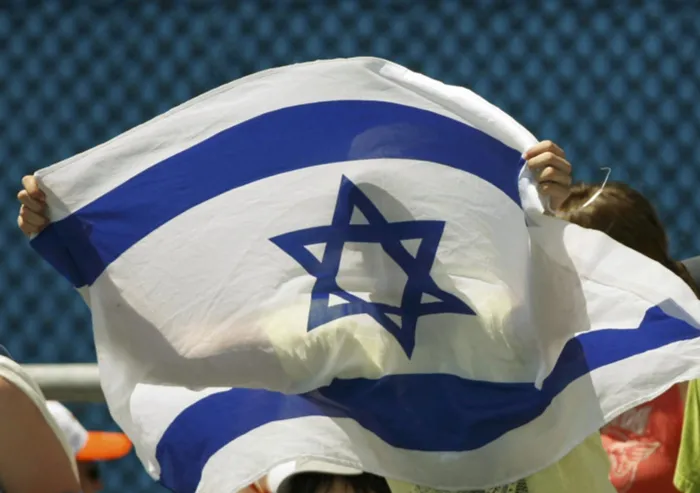
Every year, numerous individuals and delegations travel to Israel on fact-finding missions to verify the stories circulated by both international and local media.
Image: Picture: Mick Tsikas/Reuters
In one of the most influential TED Talks to date, acclaimed Nigerian author Chimamanda Ngozi Adichie explores “The Danger of a Single Story.”
She argues that to truly understand any event or conflict, one must consider multiple perspectives; relying on a single narrative inevitably leads to distortion and misunderstanding. Her message is particularly relevant to the Israel–Palestine debate, where many in society often overlook or dismiss Israel’s story while presenting Palestine as the sole victim.
The recent visit to Israel by King Dalindyebo of the AbaThembu nation illustrates this dynamic clearly. His trip triggered criticism from individuals who seem determined to prevent others from examining the facts for themselves.
Instead of encouraging open inquiry and balanced engagement, these voices prefer that the public adopt their preferred narrative — one that portrays Israel as the villain through carefully crafted misinformation and propaganda. Their response reveals an underlying fear: that independent observation may contradict the narrative they have worked hard to entrench.
The fiercest critics of Israel often rely on claims of apartheid, genocide, and other exaggerated allegations that do not align with the realities on the ground. Deep down, these naysayers fear that independent scrutiny will expose the inconsistencies in their narrative.
Every year, numerous individuals and delegations travel to Israel on fact-finding missions to verify the stories circulated by both international and local media. It would be profoundly irresponsible to accept these narratives at face value without interrogating their accuracy, context, and the intentions of those who disseminate them.
Tensions between governments — such as those of South Africa, Israel, and the United States—should never dictate the relationships between ordinary people in those countries. Communities should not be vilified for cooperating across borders simply because their governments disagree politically. Human connection is often driven by shared histories, mutual interests, and collective aspirations, not by diplomatic rifts.
It was in this spirit that King Dalindyebo chose to visit Israel and engage directly with Israeli officials. As a leader, he sought firsthand clarity on the long-standing conflict rather than relying solely on secondhand accounts crafted by the media. His decision reflects a commitment to informed leadership: he wanted to see the situation with his own eyes, hear directly from those involved, and explore opportunities to build constructive relationships for the benefit of the people he leads.
What is particularly troubling about South Africa’s foreign policy under President Cyril Ramaphosa is the growing inconsistency that seems to define it. On the surface, the country presents itself as a defender of human rights across the world, most notably through its strong support for the Palestinian cause.
However, this principled stance is not applied consistently. In many parts of the world, innocent and defenceless people are being killed by oppressive regimes, yet South Africa remains largely silent.
A few weeks ago, hundreds of people were reportedly killed in post-election conflict in the Republic of Tanzania, a fellow member of the Southern African Development Community (SADC). Despite the seriousness of this crisis, South Africa took no meaningful action to hold those responsible to account.
The same can be said about Sudan, where acts of genocide are unfolding before our very eyes on television, but no steps have been taken to sanction or pressure those who are responsible. Zimbabwe presents another example: for years, the ruling ZANU-PF has violated the human rights of ordinary Zimbabweans, forcing millions to flee the country in search of safety and economic security. Yet Pretoria has maintained a stance of silence and non-intervention.
This pattern of selective condemnation raises important questions about what truly drives South Africa’s foreign policy and undermines its claim to moral authority on the global stage.
It is important indeed, essential for opinion makers, journalists, researchers, and all those who work in the business of information and knowledge to visit Israel and tell the story as it truly is, rather than relying on narratives circulated by others who may have political agendas to advance. First-hand experience remains the most reliable antidote to misinformation.
What we must remember is that Israel is a functioning democracy, defined by an independent media, judiciary, executive, and parliament (the Knesset), each operating without interference from the other.
This is precisely why Prime Minister Benjamin Netanyahu is currently facing corruption charges: the institutions of state have the autonomy to hold even the highest office-bearers to account. The left-leaning newspaper Haaretz is a clear example of a vocal and critical media outlet that conducts its work without fear or favour, often challenging government actions and policies in the strongest of terms.
Kgwadi is a political writer and research fellow at the Middle East Africa Research Institute (MEARI).