
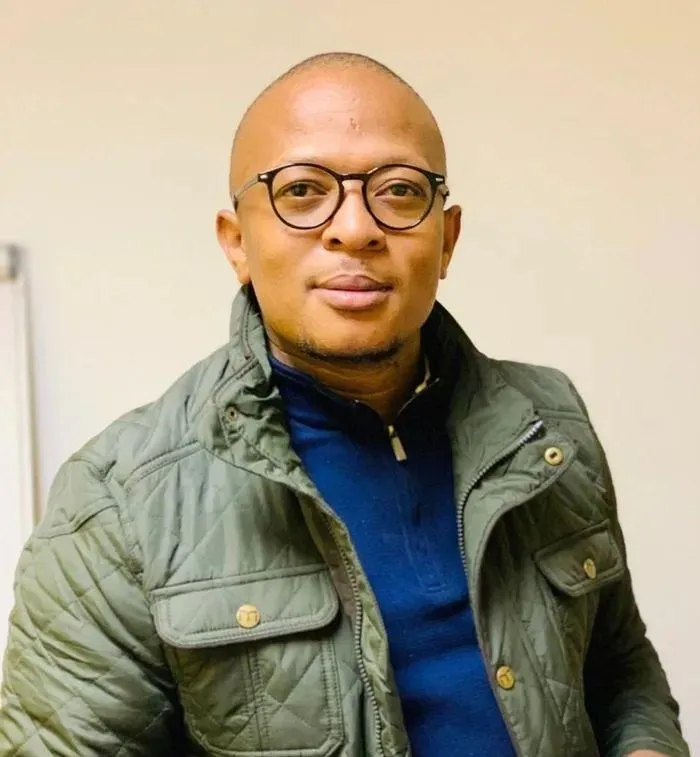
Sifiso Mahlangu Editor of The Star
Image: Independent Newspaper
As 2025 draws to a close, South Africa finds itself in that familiar place, somewhere between disbelief, irritation, pride, and occasional awe.
The year has thrown everything at the nation, from police corruption scandals and healthcare failures to violent crime and floods that reminded us just how small a paper boat can feel in a storm. And yet, amid the chaos, there were bright spots, moments of ingenuity, and victories that made us sit up and say, Okay, we can do this.
Let us start with the story that had everyone shaking their heads and muttering under their breath: the South African Police Service (SAPS). Allegations that parts of the police are for sale dominated headlines all year. KwaZulu-Natal Police Commissioner Nhlanhla Mkhwanazi did not hold back, claiming that criminal syndicates had wormed their way into police structures and elements of the justice system.
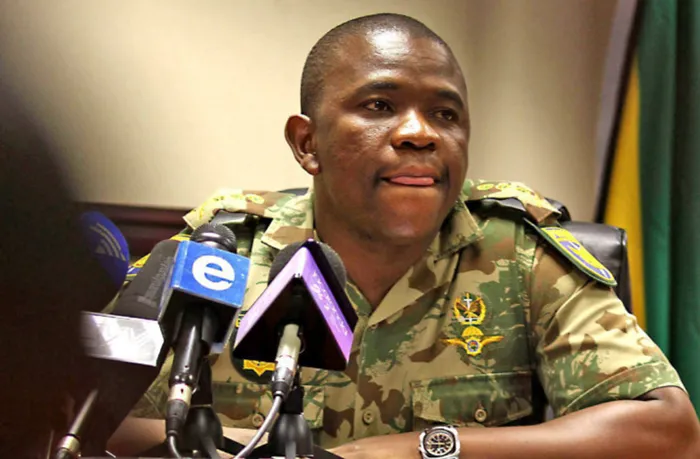
KwaZulu-Natal provincial police commissioner, Lieutenant General Nhlanhla Mkhwanazi, has gained support after a media briefing he held on July 6.
Image: Thobile Mathonsi / Independent Newspapers
Investigations blocked, dockets disappearing, and certain officials apparently untouchable. If there were a handbook for how not to run a police service, SAPS might have been featured in bold italics.
Then there is Cat Matlala, who somehow keeps cropping up in stories about wealth, influence, and crime. Alleged links between Matlala and organised crime, though contested, placed him at the centre of reporting on the blurred lines between big money and law enforcement.
For journalists, he is less a person and more a recurring plot twist, the one character who refuses to leave the story quietly. Coverage of Matlala highlighted just how tangled the networks are that allow crime to flourish under apparent protection, a cautionary tale for anyone who thinks the phrase "follow the money" is optional.
Healthcare was no less dramatic. Tembisa Provincial Tertiary Hospital made headlines for all the wrong reasons: procurement irregularities, staff intimidation, and funds that seemed to evaporate faster than a summer puddle. The legacy of whistleblower Babita Deokaran loomed over reporting, reminding the nation of the cost of speaking truth to power. Yet even here, progress peeked through. Exposure of inefficiencies prompted reforms, and some departments began showing signs of life. It turns out that sunshine can sneak through the cracks even in the darkest days.
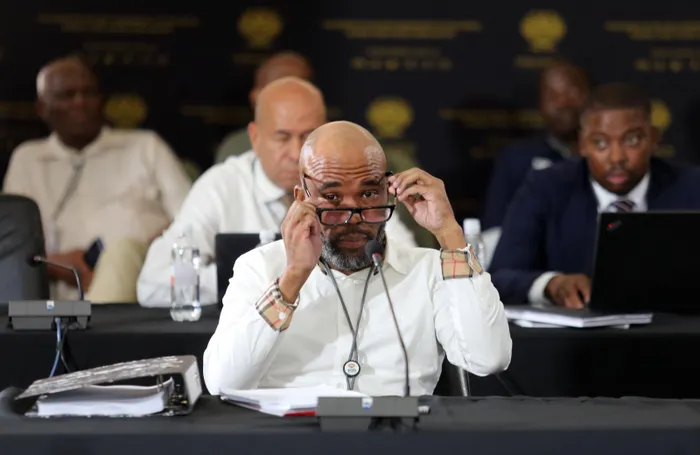
Vusumuzi "Cat" Matlala almost did not appear at the committee on Wednesday after his lawyers requested a postponement. Matlala didn’t expose this network. He merely confirmed it existed.
Image: Oupa Mokoena / Independent Newspapers

The murder of whistleblower, Babita Deokaran, who courageously flagged suspicious payments, underscores the deadly consequences of corruption and the urgent need for systemic reform.
Image: Supplied
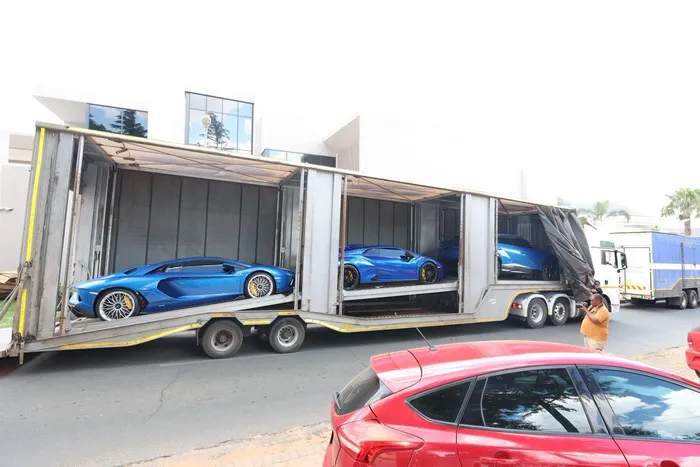
Some of the vehicles seized from the Sandton home of Hangwani Maumela by the Special Investigating Unit.
Image: SIU/ X
And we still don’t know what really happened to Ambassador Nathi Mthethwa.
2025 was not all doom and gloom. In health, vaccination coverage improved, access to primary care expanded, and maternal and child health initiatives showed measurable gains. Education also made strides, with literacy and numeracy improving among primary learners and innovative digital learning programs reaching schools that previously thought online learning meant watching cat videos on YouTube. Universities increased research outputs, particularly in science, technology, and engineering, proving that South Africans can still invent, innovate, and occasionally blow minds.
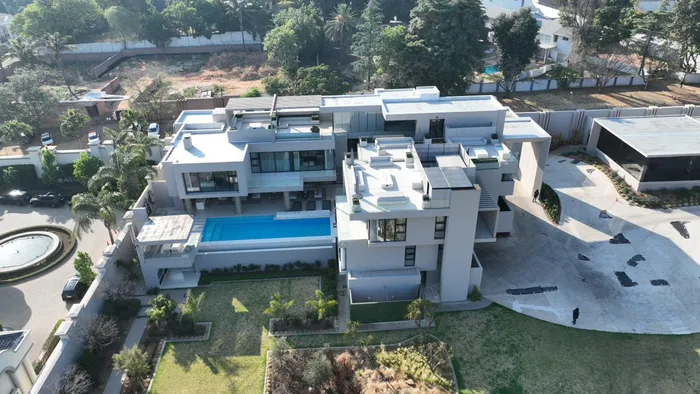
An aerial view of businessman Hangwani Maumela's mansion in Sandhurst.
Image: SIU / X
Energy was another bright spot. Solar and wind projects expanded across the country, creating jobs and reducing reliance on coal. Startups and small businesses embraced sustainability, showing that economic growth and environmental responsibility can, in fact, be friends instead of frenemies.
Culture and sport brought much-needed levity. South African artists gained international recognition, and sports victories in football and rugby mostly united the nation in moments of sheer joy. Even for those who do not care about either, there is nothing like a collective national celebration to temporarily forget that your municipality still owes you electricity.
Civic engagement has also been remarkable. Communities mobilised to improve safety, sanitation, and local governance. While some vigilante activity made headlines, it also revealed a population unwilling to sit idle while institutions stumble.
Natural disasters reminded us that Mother Nature does not negotiate. Floods in the Eastern Cape and infrastructure failures tested the nation, yet citizens, NGOs, and local authorities stepped up. Relief efforts, rebuilding, and community support highlighted the solidarity that makes South Africa remarkable even when everything else seems to be going sideways.
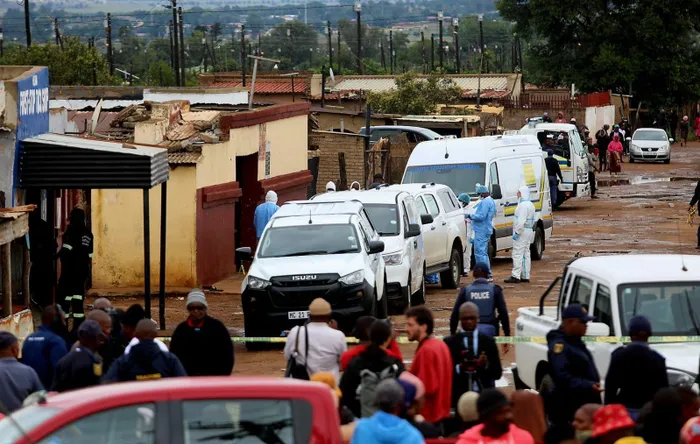
The motive remains unclear for the mass shooting.
Image: Timothy Bernard / Independent Newspapers
Violent crime remained a pressing concern. Mass shootings and targeted killings continued, but journalists increasingly framed these incidents as symptoms of systemic failure rather than mere acts of individual violence. Communities are taking matters into their own hands, relying on local initiatives and private security to restore order. It is a worrying trend, but also a testament to citizen ingenuity.
In the end, 2025 will be remembered as a year of contradictions. We confronted uncomfortable truths about corruption and public trust while celebrating moments of brilliance and human spirit. South Africa’s greatest strength remains its people: stubborn, inventive, and just slightly crazy in the best possible way. The headlines may have been grim, but the story underneath is one of resilience, humour, and the persistent belief that we can get through anything.
I wish you and your family a happy 2026.
Keep reading The Star
Sifiso Mahlangu