
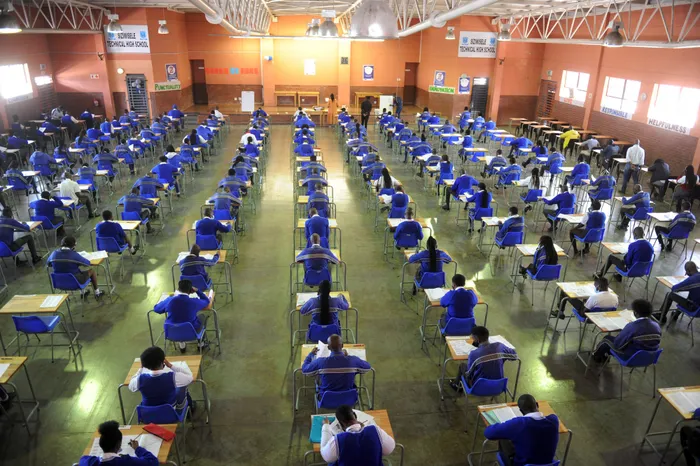
Life after matric in South Africa presents daunting hurdles, including intense pressure for university entry and significant financial barriers.
Image: Ayanda Ndamane / Independent Newspapers
After 12 years of hard work in the classroom, the Class of 2025 has finally finished their education. The National Senior Certificate pass rate for this cohort was an impressive 88%, compared to 98.31% for their Independent Examinations Board counterparts.
Our intention is not to draw comparisons between these two examinations but rather to highlight and celebrate the collective success of these young minds.
This well-deserved success was not easily won. Many learners had to overcome significant challenges, ranging from the disruptions of load-shedding to the profound social pressures of poverty and health issues. It is only through their remarkable perseverance that they have reached this important milestone.
These graduates are fueled by diverse dreams and ambitions, aspiring to become the next generation of doctors, engineers, educators, and pharmacists.
While these aspirations are familiar, they represent the genuine hope of our youth. Unfortunately, for many, this achievement marks the beginning of a harsh reality.
Life after matric in South Africa presents daunting hurdles, including intense pressure for university entry and significant financial barriers. These factors are exacerbated by deep-rooted inequalities and a digital divide that often leaves many in the "Not in Employment, Education, or Training" category.
Despite youth unemployment rates exceeding 60%, these are not lazy young people; they are individuals actively seeking opportunities that remain tragically scarce.
Encouragingly, there are whisperings of optimism as economists suggest that a shift may be on the horizon. Economists suggest that the tide is turning, with the national outlook for 2026 pointing towards gradual improvement and modest growth following years of stagnation.
We sincerely hope these projections are accurate and that this growth translates into the job creation necessary to fuel our economy.
Finally, when our national coffers begin to see the benefits of these economic gains, we must ensure that these resources are used to empower our youth rather than being lost to individuals lining their own pockets.