
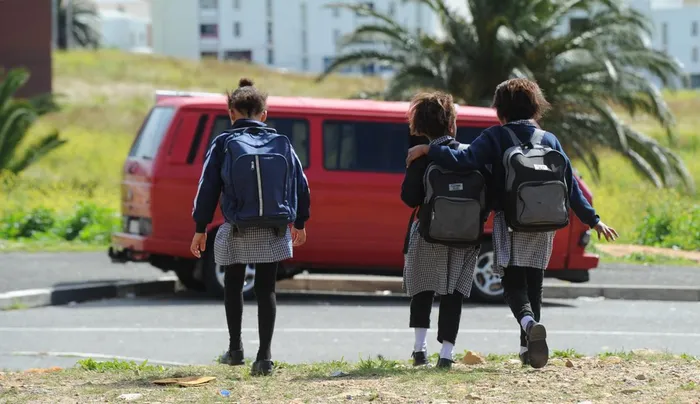
Mpumalanga MEC for Public Works, Roads and Transport Thulasizwe Thomo has warned scholar transport operators to ensure their vehicles are fully roadworthy ahead of the new school term.
Image: Henk Kruger / Independent Newspapers
South African children returned to school last week, and parents and caregivers are encouraged to put road safety at the top of their back-to-school list.
Road accidents continue to be one of the most serious threats to children in South Africa, causing devastating and often lifelong consequences for families.
Every day, approximately three children under the age of 15 are killed in road crashes, making it the leading cause of death for otherwise healthy children in the country.
They are also the second leading cause of death among children aged five to fourteen. Many of these tragedies are preventable and can be attributed to factors such as failure to wear seatbelts, overcrowded vehicles, unsafe student transportation, and poorly maintained vehicles.
Beyond fatalities, road accidents frequently result in Traumatic Brain Injuries (TBIs) and other serious injuries that can leave children with permanent physical, cognitive, and social disabilities. These injuries can affect a child’s ability to learn, communicate, and fully participate in school and community life, altering the course of their future and placing immense emotional and financial strain on families.
“Back to school should be a time of excitement and possibility, not anxiety,” says Tando Ngibe, Senior Manager at Budget Insurance. “Yet for many families, the daily school commute exposes children to unnecessary risk. Simple actions like ensuring seatbelts are worn on every trip, choosing reliable transport, and avoiding unsafe driving behaviours can make the difference between life and death.”
Ngibe emphasises that reliable, roadworthy transport is a critical but often overlooked part of child safety. Whether children are driven by parents, caregivers, or scholar transport services, vehicles should be well maintained, legally compliant, and fit for purpose.
“Equally important is making sure that the vehicle transporting your child is properly insured,” Ngibe adds. “Insurance is not just about financial protection after an accident. With cover that includes Breakdown Assist and Accident Assist, parents can access emergency medical assistance during and after a road incident, as well as critical support when a vehicle breaks down unexpectedly. In an emergency, those services can be lifesaving.”
Parents are encouraged to use the back-to-school period as an opportunity to reassess their road safety habits and transport arrangements. This includes checking that vehicles are insured, tyres and brakes are in good condition, child restraints and seatbelts are used correctly, and that children understand basic road safety rules.
“Protecting our children requires more than good intentions; it requires preparation,” says Ngibe. “By prioritising road safety and ensuring access to emergency support when things go wrong, parents can play a powerful role in safeguarding their children’s lives, futures, and potential.”
All road users are urged to slow down in school zones, remain vigilant, and remember that every safe journey helps protect South Africa’s most precious passengers - its children.
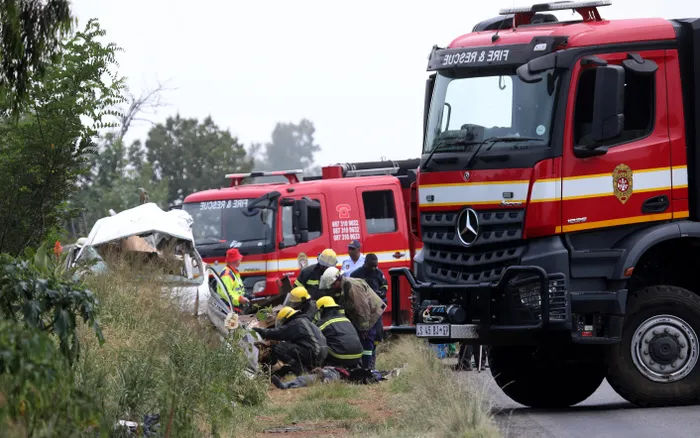
Every day, approximately three children under the age of 15 are killed in road crashes, making it the leading cause of death for otherwise healthy children in the country.
Image: Timothy Bernard Independent Newspapers