

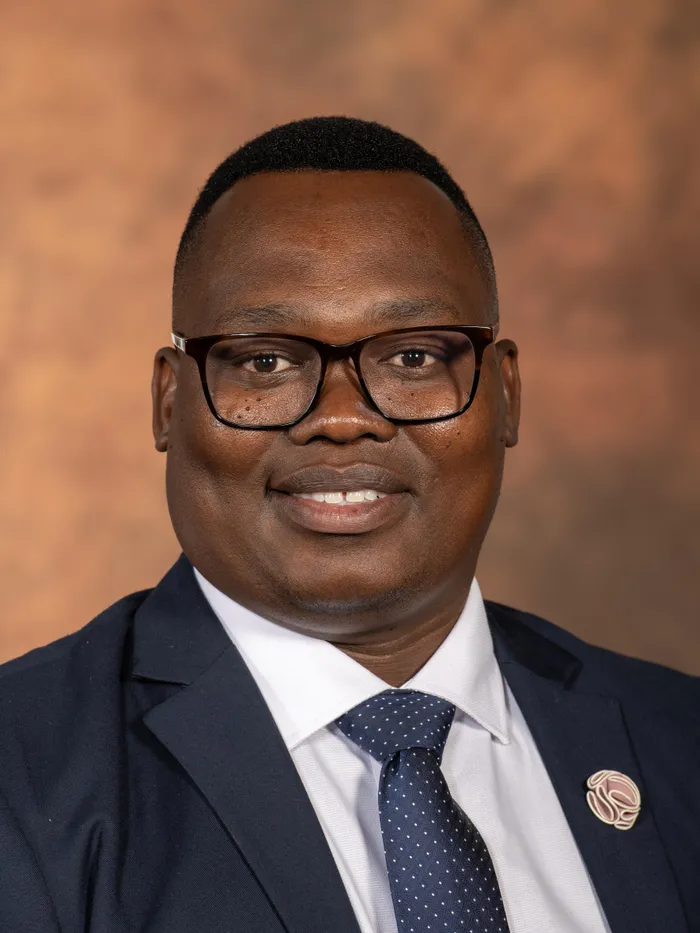
Sello Seitlholo – Deputy Minister of Water and Sanitation
Image: Supplied
When I recently shared a brief reflection on LinkedIn about how I was sick of summits and Indabas, I thought it would remain like most LinkedIn debates: courteously contained, with a few comments followed by silence. Rather, the post accomplished the exact opposite.
Engineers, mayors, consultants, innovators, academics, and civic actors all jumped in. Some argued that South Africa talks far more than it delivers. Others pushed back, insisting that summits are still essential for collaboration and shared accountability.
A few days later, the debate had spilled onto industry platforms, with one even describing the post as triggering a “bold revolt against summit fatigue.” In truth, revolt is not what I intended. But the intensity of the reaction revealed something important. South Africans are no longer indifferent to the politics of water and sanitation. They are angry and impatient. Rightfully so. Water is not just a service; it shapes dignity, health, livelihoods, and hope.
And because water is deeply human, the perception that summits are “talk shops” resonates deeply. So yes, the perception that summits are “talk shops” strikes a nerve. And it would be dishonest not to acknowledge that the criticism has merit. Too many Indabas end with eloquent communiqués and too few with implementation frameworks. And as a government, this is something that we must acknowledge.
But here is the nuance that I think got lost online. Summits are not inherently the issue. Bad summits are. I attend and speak at many of these platforms, across the country and even abroad, and not only the ones organised by the government. The private sector, universities, think tanks, and civil society convene crucial conversations.
These gatherings matter because the water sector is too complex, too technical, and too capital-intensive to be solved in isolation. Innovation, finance, research, and regulation do not meet each other by accident.
The question is whether these platforms produce implementable solutions afterwards. And in our sector, we now have examples that they can. The 2025 National Water and Sanitation Indaba did not just draft recommendations; it helped produce procurement models for non-revenue water reduction, advance alternative sanitation technologies, organise financing for reuse and recycling and establish better coordination between Water Services Authorities and municipalities. Some of that work is now in pilots and partnerships. Slowly, but actually moving. And this matters.
And here comes the uncomfortable part: implementation lives and dies at the municipal level. The national government can set priorities, allocate budgets, and pass regulations, but municipalities repair leaks, run treatment works, manage wastewater, bill households, and talk to communities. They are the frontline of developmental administration. When they struggle, the public feels it immediately. When they succeed, dignity returns almost overnight.
That is why I have said, and will continue to say, that if we fix municipalities, we fix half of South Africa’s problems. This is not a provocation. It is the governance truth beneath service delivery, infrastructure, and even coalition stability.
And this is where the politics sharpen. Water challenges expose capacity gaps, procurement delays, accountability failures and the limitations of fragmented local governance. South Africa does not lack policy. It lacks execution. As a deputy minister, it pains me to admit this out loud, but it is very necessary.
So no, South Africa does not need fewer summits. It needs better ones. Summits that generate timelines, not talking points. Procurement pathways, not PowerPoint presentations. Financing alignment, not just principles. And crucially, summits that strengthen municipal capacity instead of just producing conceptual consensus.
Summit fatigue is real; I understand that. And I feel it too. But fatigue alone will not fix our water challenges. We cannot convene our way out of water challenges, nor can we abandon collaboration altogether. South Africa must convene differently, deliver collectively and implement relentlessly.
If summits remain talk shops, the public will treat them as the theatre. If they become tools of execution, they can restore trust, not in speeches, but in service. Because water is life, and delivery is everything
Sello Seitlholo – Deputy Minister of Water and Sanitation