

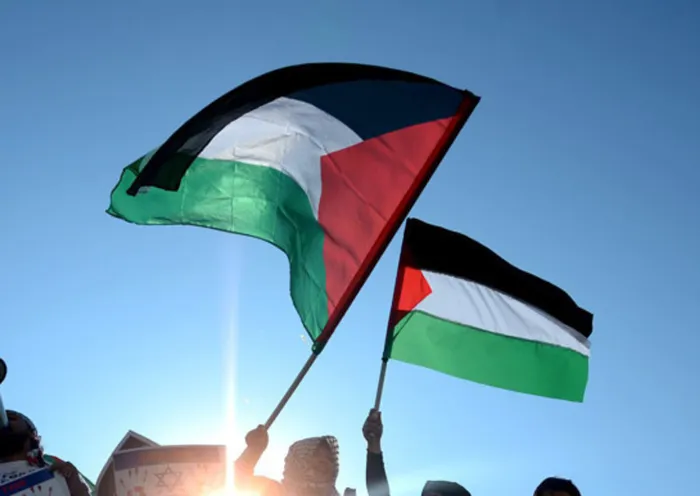
As the Nakba anniversary approaches, the resilience of Palestinians remains a testament to their enduring struggle for justice—a struggle that calls for renewed dialogue and urgent action in pursuit of lasting peace in the Holy Land.
Image: Ross Jansen
On 15 May 2026, Palestinians will mark the 78th anniversary of the Nakba (“catastrophe”), remembering the painful expulsion from their homes and villages.
Nakba remains central to the Palestinian struggle for liberation and is reflected in the ongoing devastation in Gaza.
In reality, the Israeli regime’s strategy depends on perpetual brutality to sustain the occupation. The escalation promoted by Benjamin Netanyahu and ministers such as Itamar Ben-Gvir reflects political and strategic motivations tied to territorial ambitions and domestic power.
On Ben-Gvir’s fiftieth birthday, his wife reportedly presented him with a cake decorated with a noose symbol, referencing the discriminatory and controversial Death Penalty Law recently passed in the Knesset. Critics viewed the gesture as emblematic of a broader culture of hostility toward Palestinians.
This cycle of systematic human rights violations, displacement, and failed diplomacy cannot deliver lasting peace. Palestinians, especially in Gaza, remain vulnerable under occupation and blockade, yet their resilience endures. Breaking this recurring oppression requires Palestinians to generate political power, beyond stalled negotiations or ineffective appeals to international law that have produced little tangible change.
Ultimately, resolving this decades-long conflict requires a negotiated one-state solution grounded in equality, justice, and equal rights for all. Only through the recognition of Palestinians as the indigenous people of the land can lasting peace be achieved in the Holy Land.
MOHAMED SAEED
Pietermaritzburg