The Best Boxing Strategies: Smart Ways to Win in the Ring
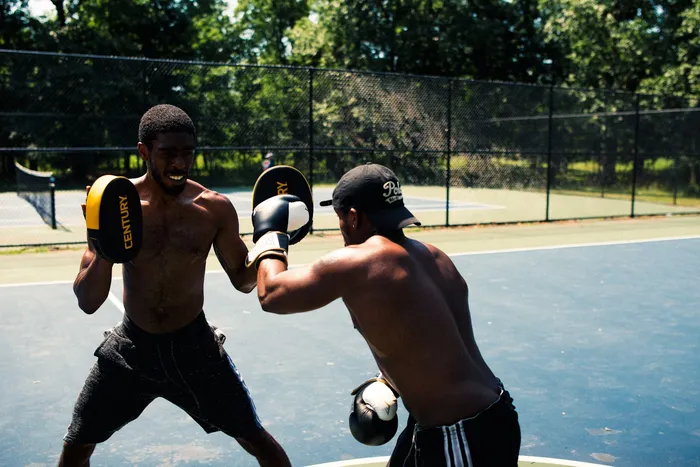
Boxing is not only about throwing hard punches. The best fighters win with brains as much as with power.
Image: Supplied
Boxing is not only about throwing hard punches. The best fighters win with brains as much as with power. They plan, they adapt, and they stay patient. In South Africa, this lesson is clear. From township gyms to big arenas, many local fighters have shown how smart tactics can beat raw strength. Just like games on hollywoodbets mobile login spina zonke login password provide a rush, watching a knockout blow makes the crowd go wild. Let’s dive into smart ways boxers win their bouts.
The Jab and Distance
The jab is simple but powerful. It sets the pace of the fight and keeps the opponent away. A boxer with a good jab can control space and frustrate rivals. South African champion Brian Mitchell used it well during his long career. With his jab, he stayed in charge even against taller fighters. Think of the jab as a drumbeat in kwaito music. Once it starts, it drives everything forward.
The jab also opens the way for bigger punches. A clean jab can break rhythm, create chances, and score points. Many coaches in South African gyms make young boxers practice it for hours. That is because a strong jab can win rounds on its own.
Counterpunching
Counterpunching is about timing. The fighter waits for the rival to make a mistake, then strikes back. It is patient, clever, and often frustrating for the opponent. Vuyani Bungu showed how powerful this approach can be. He built his success by forcing mistakes and then punishing them with quick returns.
Counterpunchers need sharp eyes and calm nerves. They cannot rush or lose focus. This style is like cricket fielding. A fielder waits quietly, then reacts fast when the batsman makes a poor shot. One moment of weakness can change everything.
Pressure Fighting
Pressure fighting is the opposite. Instead of waiting, these boxers move forward all the time. They cut off the ring, throw many punches, and make their rivals tired. Pressure fighters test the opponent’s spirit as much as their body. Facing one feels like being hit by wave after wave at Durban’s beaches. You can fight back for a while, but sooner or later, the tide wins.
South African fans enjoy this style. It feels familiar, like rugby scrums that grind down the other team. The boxer keeps pushing until the rival runs out of answers. This strategy needs fitness and courage. It is hard work, but it breaks many opponents.
Outboxing and Movement
Outboxing is about speed and movement. The fighter stays light on the feet, moves in and out, and scores points without taking damage. Outboxers use footwork like football players passing around defenders. They control space, frustrate rivals, and keep the fight clean.
This style looks smooth but demands discipline. It needs strong legs, sharp focus, and constant energy. One wrong step can open the door for a knockout punch. Still, when done right, outboxing looks beautiful.
Body Punching
Fans often cheer for headshots, but body punches can decide a fight. Shots to the ribs or stomach slowly drain energy. They make rivals drop their guard and lose power. Hekkie Budler often used body punches to wear opponents down. Even though he fought in the smaller divisions, his bodywork made a huge difference.
Body shots are like chopping wood. At first, they seem small. Over time, the target weakens. By the later rounds, the opponent struggles to keep moving. A fighter who ignores the body can lose the fight, even if they start strong.
Switching and Adapting
The smartest boxers can change styles. They start with one plan, then switch when needed. If the jab does not work, they press harder. If pressure fails, they fall back and counter. Adaptation is key. It separates good boxers from champions.
South African fighters often learn this skill in tough gyms. With fewer resources, they must be creative. They mix styles to find what works best. It is like the Springboks changing tactics mid-match. Flexibility beats stubbornness.
Final Thoughts
Boxing strategies matter as much as muscles. The jab, counterpunching, pressure, outboxing, body shots, and adaptation are proven tools. In South Africa, history shows that smart tactics bring global success. Mitchell, Bungu, and Budler all used brains as much as fists. Their stories prove that strategy can carry a boxer from a small gym to a world stage.
The sport continues to grow, and young fighters still train with these lessons. The future may bring new champions. But one thing will remain. Boxing will always reward the fighter who thinks first and fights second.